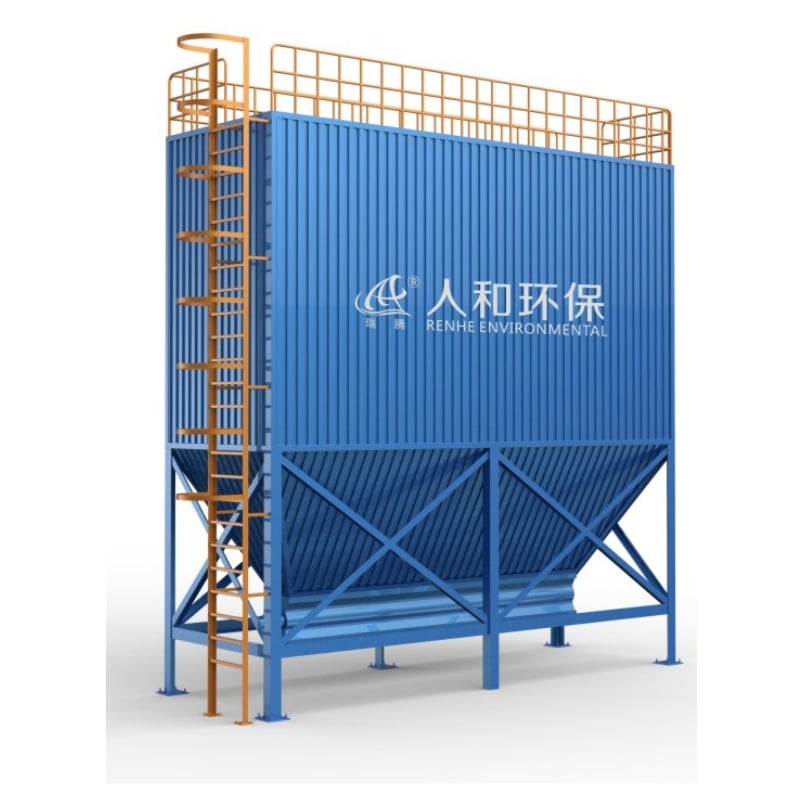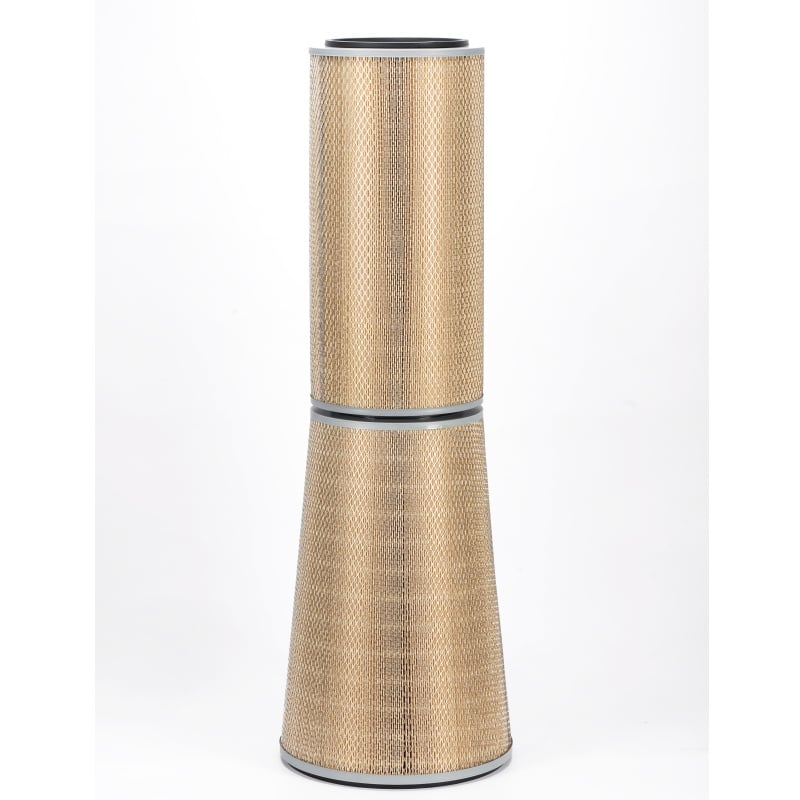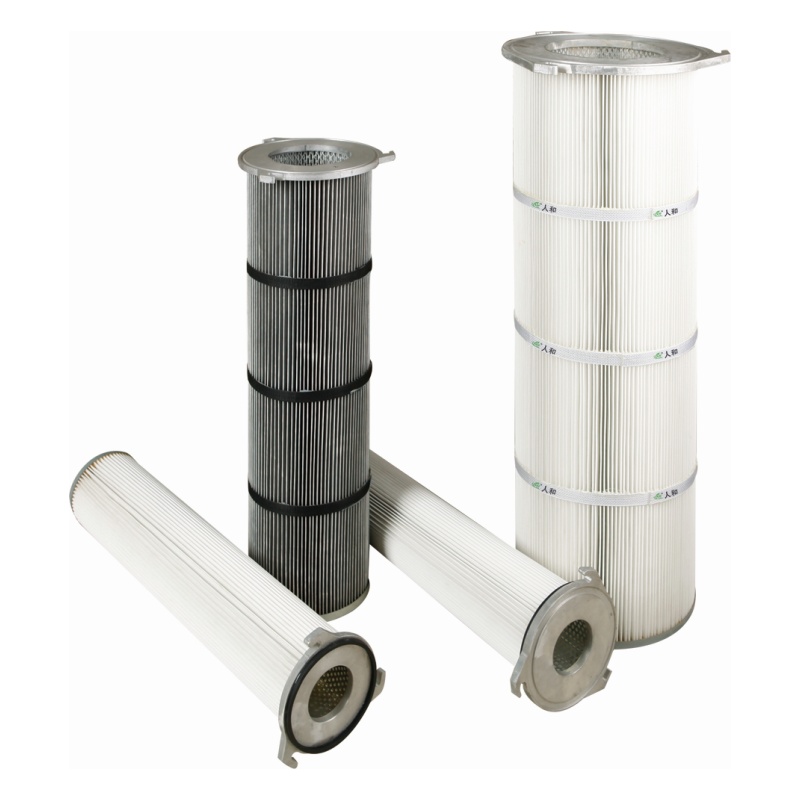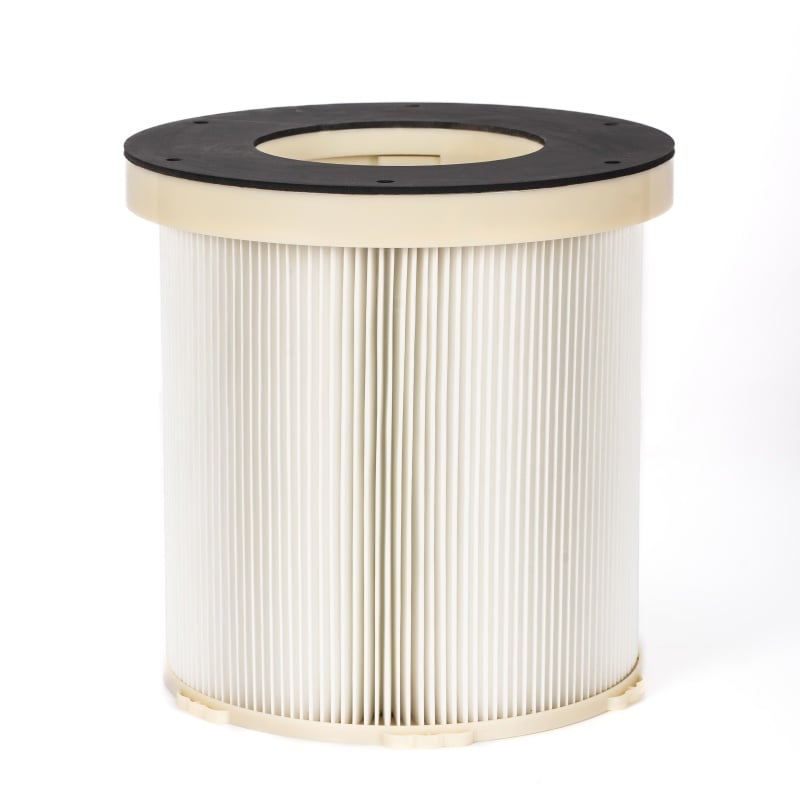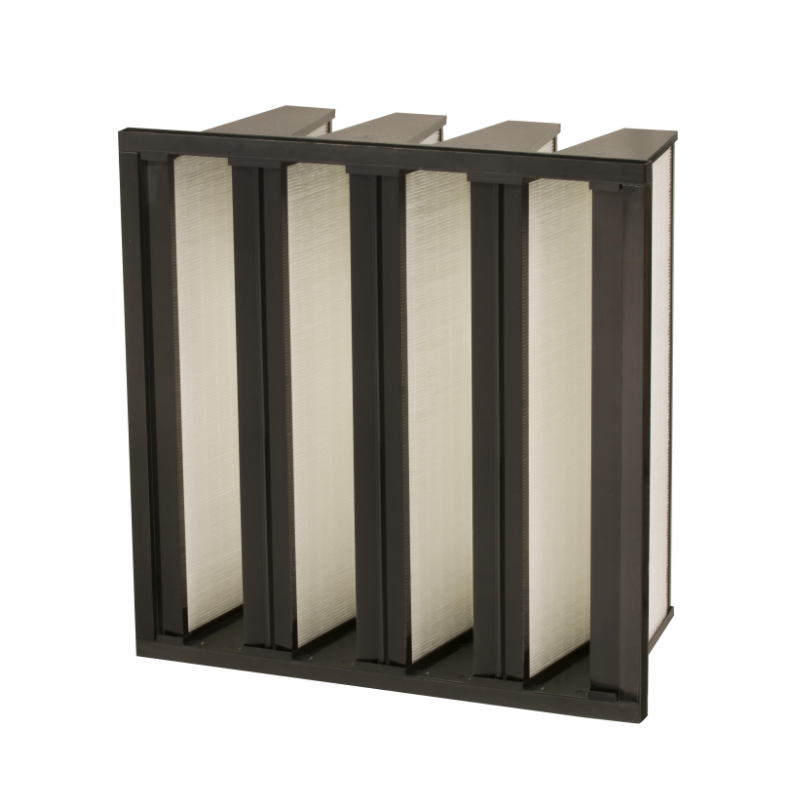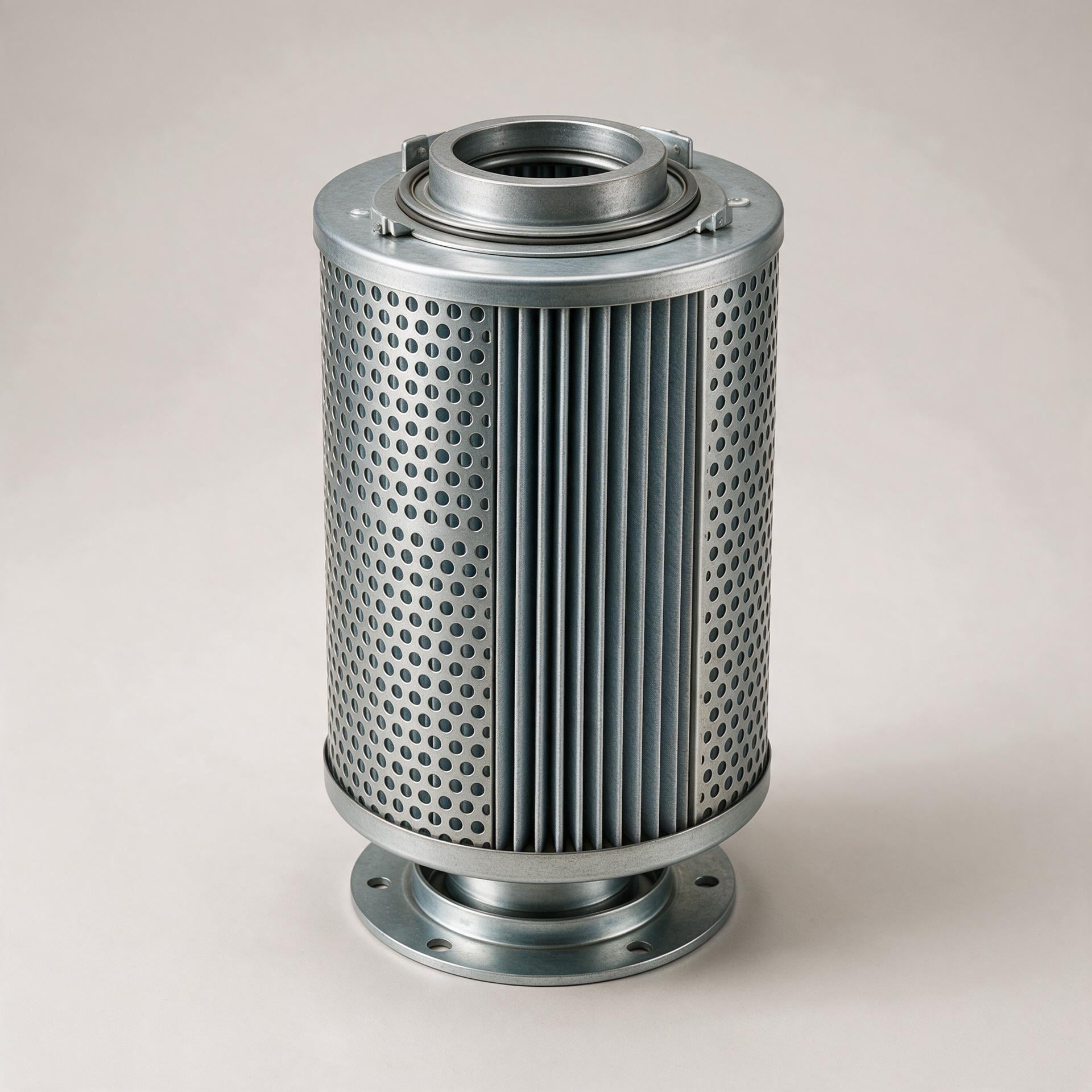
Maintenance free is a phrase that deserves care. No air filtration system literally needs zero attention, and a supplier promising that is oversimplifying. What automated pulse jet cleaning can do is remove the most repetitive task from the calendar: manually cleaning or changing intake elements on a fixed interval. For plants with remote compressor houses or small maintenance crews, that changes the operating model. A self-cleaning air filter handles its own dust load with a controlled reverse pulse, so the element stays in service far longer. This article explains the mechanism, the work that remains and the controls that decide whether the promise holds in practice. The realistic aim is fewer planned interventions, not the elimination of inspection.
Automated pulse jet cleaning sends a short burst of compressed air backwards through the element. The pulse dislodges the dust cake from the media surface, and particles fall into a collection zone or are carried away by the main airflow. The operation happens while the system runs, so there is no need to isolate the filter or stop the machine. In a self-cleaning air filter, a bank of elements is cleaned in sequence, each pulse lasting only a moment. Timing and energy matter: too little leaves a residual cake, too much stresses the media and wastes air. Ask how pulse duration and interval were selected for your dust.
The trigger is what makes automated cleaning genuinely automatic. A timer pulses on schedule whether the filter needs it or not. A differential pressure trigger waits until resistance reaches a set point, starts a cleaning sequence and stops when the reading falls back. That loop is why a self-cleaning air filter can run with little operator involvement. With pulse jet cleaning tied to differential pressure, resistance stays close to a recorded clean baseline. Buyers should ask whether the threshold is adjustable and whether the controller logs events. A system that records each cleaning cycle lets the team see whether automated cleaning tracks the real dust load or simply cycles.
Inspections do not disappear. Someone still checks the collected dust path, confirms that hopper or drain points are clear, verifies that the compressed air supply is dry, and looks for media damage during planned outages. Manual maintenance is reduced in frequency, not eliminated in kind. A self-cleaning air filter with a well designed pulse jet cleaning sequence goes much longer between element changes, but housing, seals and valves remain in the inspection plan. Ask for a written list of remaining tasks. Honest documentation is a sign of a mature design; a blank page is not.
Controls deserve as much attention as the filter itself. A sticking diaphragm valve, moist instrument air or a faulty transmitter can quietly defeat automated cleaning. Good designs detect the fault and alert operators instead of letting resistance climb unnoticed. Ask what happens if the differential pressure signal fails: does the system fall back to a safe timer, or stop cleaning altogether? For a self-cleaning air filter intended to reduce site visits, remote status reporting is often more useful than a single performance figure. A self-cleaning air filter should expose enough information for a technician to diagnose a problem before travelling to site.
Consider a remote compressor station feeding a process plant. Service visits were costly because the site sat far from the maintenance workshop, and passive elements had been changed on a calendar regardless of condition. The review proposed a self-cleaning air filter with differential pressure triggered pulse jet cleaning, a dry air supply and event logs readable off site. The aim was not to remove people entirely but to turn frequent routine visits into condition-based ones. A knowledge-base foundry case, where cleaned air was returned to a controlled hall and dust moved through a sealed path, supports the same idea: when collection and cleaning are designed together, manual maintenance falls without sacrificing capture. The anonymous station scenario shows how automated cleaning changes the service model.
Ask what triggers the pulse and whether the threshold can be tuned. Ask how differential pressure is measured and logged. Ask which tasks still need manual maintenance and at what interval. Ask how a failed valve or transmitter is reported. Then request material guidance and review specifications before you treat a self-cleaning air filter as a low-intervention asset.
Question one: Is a self-cleaning air filter truly maintenance free?
Answer: Not literally. Pulse jet cleaning removes routine element changes, but seals, valves and the dust path still need inspection. Plan for fewer visits, not no visits.
Question two: How does the system know when to clean?
Answer: Most use differential pressure across the bank. On a self-cleaning air filter, a pressure based trigger means automated cleaning happens when the element needs it, not on a clock.
Question three: What fails most often in automated cleaning?
Answer: Moist instrument air, sticking diaphragm valves and faulty transmitters. On a self-cleaning air filter, these faults reduce manual maintenance savings if they go unnoticed, so require clear fault reporting.
 Hot News
2026-11-21
2026-11-21
2026-11-21
2026-11-21
2026-11-21
2026-11-20
Renhe focuses on air filter cartridge, gas turbine air filter, Pleated Filter Media, industrial dust, Our main products have been recognized as high-tech products in Jiangsu Province, famous trademarks in Wuxi City, and CE certification.
NO. 31 Xingyuan Road, Jiefang Industrial Park, Gushan Town, Jiangyin City, Jiangsu Province, China (214414)
Copyright © 2024 Jiangsu Renhe Environmental Equipments Co., Ltd Privacy Policy
 EN