Plant engineers rarely notice a sintered plate dust collector failing all at once. The usual complaint is gradual: collection efficiency drifts, cleaning cycles lengthen, and the differential pressure gauge never quite returns to baseline. Often the root cause is dimensional change in the filter element. A plate that bows, wrinkles, or sags under fan-induced pressure opens small gaps at the seal and lets dust bypass the media. In a sintered plate dust collector, the pressure differential acts across the whole surface at once, so shape retention becomes a practical purchasing question rather than a theoretical one. Buyers who treat rigidity as a checkable specification avoid a surprising amount of unplanned maintenance later.
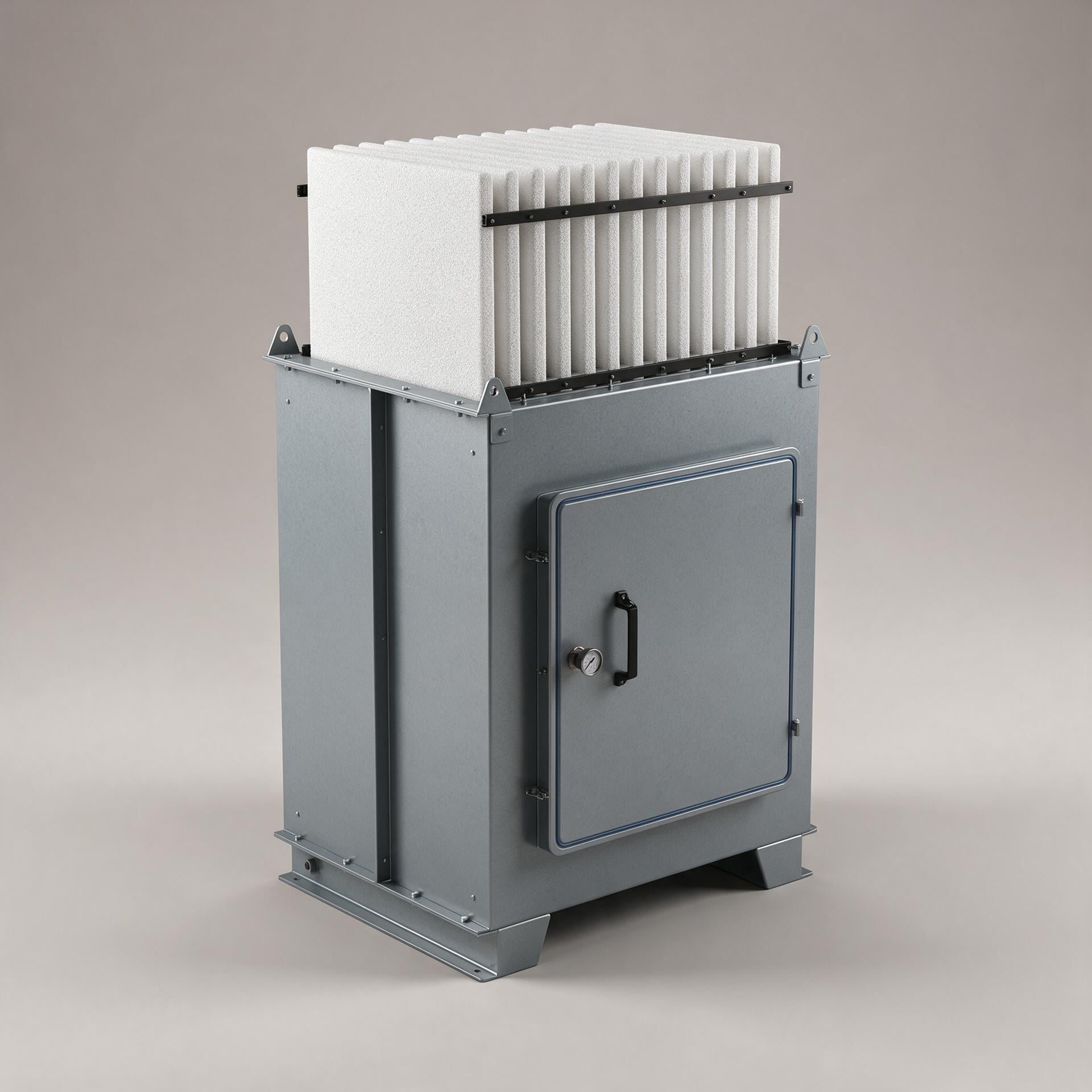
The element at the heart of this design is made from rigid polyethylene plates formed by a sintering process, and these are often described as plastic sintered plates. Unlike a flexible fabric bag, the sintered body is self-supporting. Rigid polyethylene plates distribute load through their thickness instead of relying on cage tension to stay flat, which is why a sintered plate dust collector can keep a stable pressure drop through repeated pulse cleaning. The practical result is dimensional stability: the plate resists the slow bowing that comes from sustained negative pressure. When you inspect rigid polyethylene plates, look at how the surface stays planar across its full span, especially near the seal edge where even slight movement would cause bypass.
Every collector sees occasional pressure events. A hopper plug, a valve that slams shut, or a fan start against a closed damper can push the system beyond its normal range. Burst resistance is the ability of the element to survive those moments without cracking or delaminating, and it matters wherever rigid polyethylene plates face pneumatic surges. In a sintered plate dust collector, burst resistance comes from the bonded plastic matrix rather than a separate support frame. When you compare options, ask how burst resistance was validated and what the test actually involved, because the phrase is sometimes used loosely. Plastic sintered plates with genuine burst resistance return to service after a transient event instead of demanding immediate replacement.
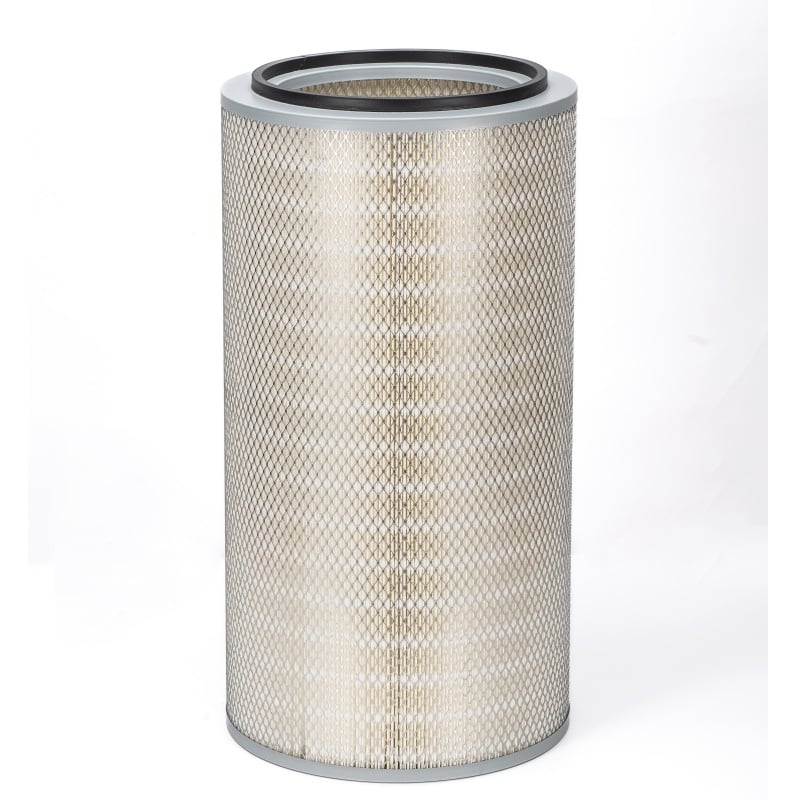
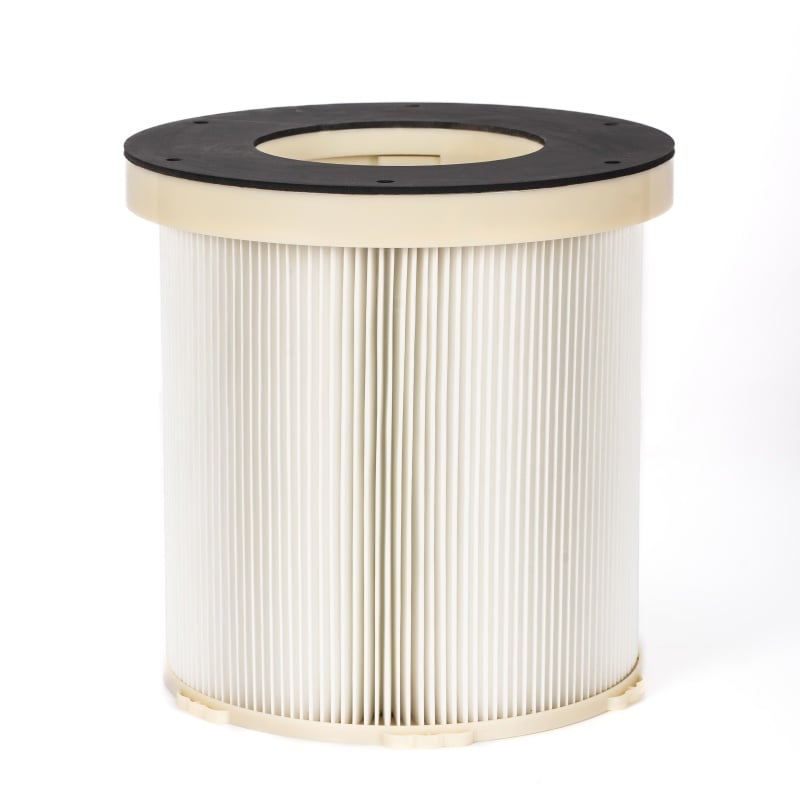
Another reason buyers specify this technology is that washable filter plates can be cleaned and returned to service rather than discarded. In plants handling sticky or value-bearing dust, washable filter plates change the maintenance economics. The same construction that gives plastic sintered plates their strength also makes them straightforward to rinse: there is no delicate membrane to tear and no adhesive layer to dissolve. Plastic sintered plates are formed with a pleated profile, which the supplier describes as increasing filter area substantially over a flat surface. More area in the same housing lowers face velocity, and lower face velocity reduces the tendency of dust to drive deep into the media. Together, washable filter plates and generous area explain the interest in a sintered plate dust collector where cleaning cycles are frequent.
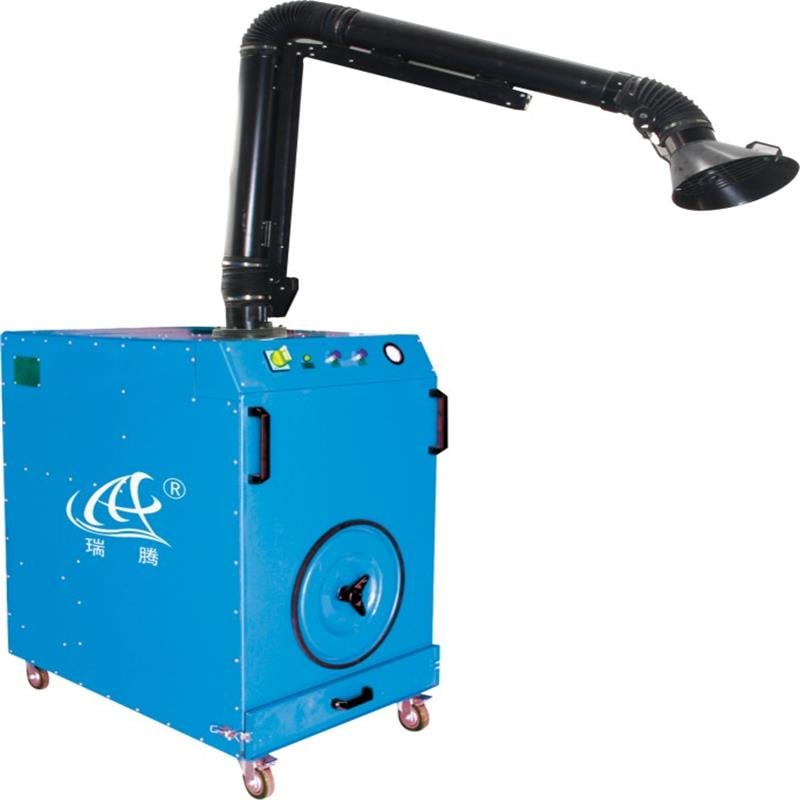
Consider a foundry running a lost-wax casting line in a temperature-controlled hall. Sand from a drenching station had become a housekeeping and exposure problem, and the plant wanted cleaned air returned to the workshop to avoid heating and cooling losses. The engineering team specified a sintered plate dust collector with a capture hood at the sand drop point, ducting to the filtration chamber, and a second-stage high-efficiency unit before the clean-air plenum. In this application plastic sintered plates were chosen because the dust is abrasive and cleaning is frequent. The reported outcome was a capture rate above ninety-eight percent and discharge below one milligram per cubic metre, with clean air sent back into the hall. The case shows why washable filter plates matter in practice: the maintenance crew could restore performance by washing instead of replacing elements.
Rigidity is easy to claim and harder to verify. A sensible source check has three parts. First, review the drawing and confirm how the element seats in the housing, because a stiff plate in a loose seal still leaks. Second, ask how the media behaves at your maximum differential pressure and request test documentation rather than a general statement. Third, compare cleaning methods, because a design that tolerates washing gives you an extra maintenance option; washable filter plates are useful here. A sintered plate dust collector is not the answer to every dust problem, but where pressure cycling and frequent cleaning are facts of life, rigid polyethylene plates with documented burst resistance deserve a closer look. Request material guidance and review specifications against your operating envelope before committing.
Question one: Do plastic sintered plates really never deform?
Answer: No element is literally immune to every load. Rigid polyethylene plates are designed to resist deformation and keep dimensional stability within the stated operating envelope. The honest question is how much pressure cycling your plant sees and whether the supplier has test evidence covering that range.
Question two: Can washable filter plates be cleaned indefinitely?
Answer: They can be washed and reinstalled many times, but inspection still matters. Check the seal edge, look for embedded particles, and confirm that pressure drop returns to a normal baseline after reinstallation. Replace an element if cleaning no longer restores that baseline.
Question three: What should a buyer compare between vendors of a sintered plate dust collector?
Answer: Compare burst resistance documentation, the way plastic sintered plates are sealed in the housing, cleaning instructions, and the available filter area. A vendor willing to explain test methods is usually more useful than one offering only adjectives.
 Hot News
2026-11-21
2026-11-21
2026-11-21
2026-11-21
2026-11-21
2026-11-20
Renhe focuses on air filter cartridge, gas turbine air filter, Pleated Filter Media, industrial dust, Our main products have been recognized as high-tech products in Jiangsu Province, famous trademarks in Wuxi City, and CE certification.
NO. 31 Xingyuan Road, Jiefang Industrial Park, Gushan Town, Jiangyin City, Jiangsu Province, China (214414)
Copyright © 2024 Jiangsu Renhe Environmental Equipments Co., Ltd Privacy Policy
 EN