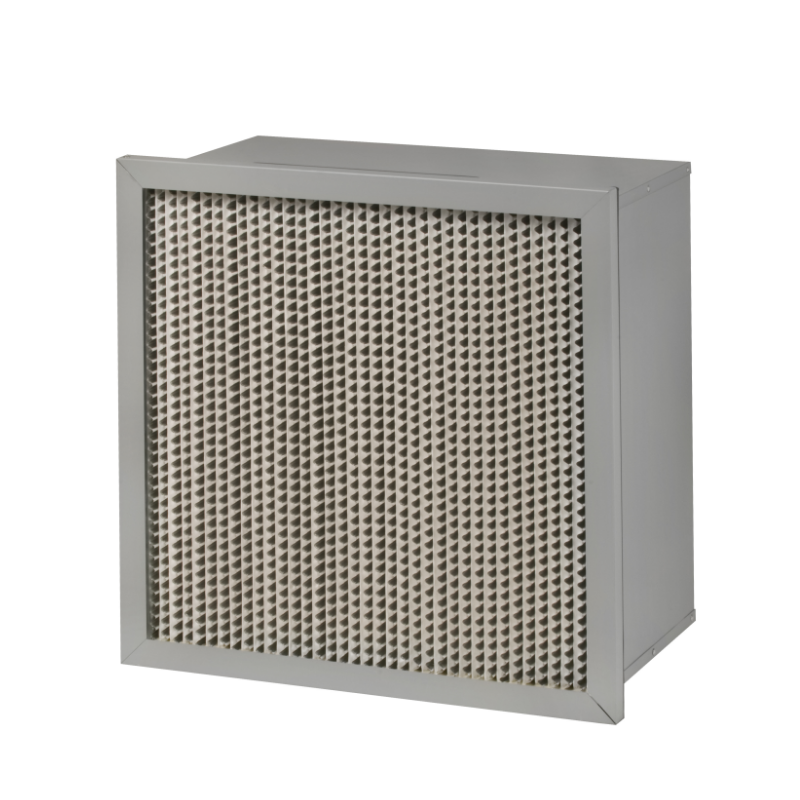
The pull-out tray at the bottom of a portable fume dust collector looks like a simple drawer. It is not. The tray is part of the dust containment boundary. When it slides out, the dust that has collected inside can become airborne again if the tray is jerked, tipped, or emptied into an open bin. That secondary dust cloud is the exposure risk, not the tray itself. Weld fume and metal oxide dust can be fine enough to stay suspended for minutes. Some dusts also carry combustible or reactive components. Emptying the tray should be treated as a controlled task with a start, a method, and a finish. A quick pull and a dump into the nearest trash can is how housekeeping problems and exposure incidents begin.
The unit should be switched off and unplugged before the tray moves. The fan should be fully stopped, not coasting. If the collector has a pulse cleaning cycle, it should be run before shutdown so loose dust lands in the tray, not on the filter. The dust identity should be confirmed before emptying. Welding fume from stainless steel can contain chromium and nickel compounds, and those change the handling and disposal requirements. Personal protective equipment should match the dust. A fitted respirator, eye protection, and gloves are the minimum for fine fume. The work area should be away from ignition sources if the dust is combustible. NFPA 652 requires a dust hazard analysis where combustible dust is present, and the tray emptying step belongs in that analysis.
The tray should be pulled out with both hands, kept level, and moved slowly. A fast pull creates a pressure wave that lifts dust off the tray floor. Many trays have a latch or a retaining clip. The latch should be released fully before pulling. If the tray is heavy, a second person should support it. The tray should not be tilted until it is over the disposal container. A field case from a metal fabrication shop in southern China showed the difference. The shop had been pulling the tray quickly and dumping it into an open plastic bin. Dust puffed out at chest height. The fix was a slow pull, a tray liner bag, and a metal container with a lid. The dust cloud at emptying dropped noticeably, and the cleanup time fell.
The disposal container should have a lid and should be sized so the tray can be emptied without tipping it high. A liner bag inside the tray, if the design allows one, makes transfer cleaner. The tray should be lowered close to the container opening before the dust is released. Compressed air should not be used to blow dust out of the tray. That turns a small amount of dust into a room-wide cloud. The table below compares common emptying methods and the risk each one creates.
| Emptying method | Dust release risk | Practical note |
|---|---|---|
| Dump into open trash can | High | Dust puff at chest height |
| Tip tray from height | High | Airborne cloud, spills |
| Lower tray into lidded container | Low | Best control, slower |
| Liner bag then lidded container | Low | Cleanest transfer |
| Vacuum out the tray | Medium | Needs HEPA vacuum, not shop vac |
The table is about exposure control, not speed. A slower method that keeps dust in the container is the better method.
After emptying, the tray should be wiped clean. Dust left in the corners can compact and make the next pull harder. The gasket or seal around the tray opening should be checked for wear, cuts, and dust buildup. A worn seal lets air bypass the filter and can raise emissions. The seal should not be cleaned with a solvent that attacks the elastomer. A dry cloth or a compatible cleaner is enough. The tray should slide back fully and the latch should engage with a clear click or stop. A tray that is not fully seated can leak dust at the bottom of the unit. The reset step is short, but it decides whether the next shift starts with a sealed collector or a slow leak.
The emptying interval should come from the dust load, the tray volume, and the run time, not from a fixed calendar. A collector used for light intermittent welding can go longer than one used for continuous production. The tray should not be allowed to fill to the top. A good rule is to empty at about two thirds of tray capacity. The task should be written into the maintenance schedule with the date, the operator, and any seal issues found. OSHA 1910.22 addresses housekeeping in general industry, and it supports a written routine for dust removal. For projects that need consistent fabrication, batch level material control, and a supply chain that can match collector interfaces, Renhe's production base and quality control process can support the manufacturing and documentation side of the work. A portable fume dust collector is only as clean as its emptying routine.
 Hot News
2026-11-13
2026-11-13
2026-11-13
2026-11-13
2026-11-13
2026-11-12
Renhe focuses on air filter cartridge, gas turbine air filter, Pleated Filter Media, industrial dust, Our main products have been recognized as high-tech products in Jiangsu Province, famous trademarks in Wuxi City, and CE certification.
NO. 31 Xingyuan Road, Jiefang Industrial Park, Gushan Town, Jiangyin City, Jiangsu Province, China (214414)
Copyright © 2024 Jiangsu Renhe Environmental Equipments Co., Ltd Privacy Policy
 EN