A bin vent sits on top of a silo, hopper, or day bin and does two jobs at once. It lets displaced air escape as material fills the vessel, and it filters that air before it reaches the plant environment. During pneumatic filling, a blower pushes powder or pellets through a pipe into the silo. The material takes up space, so an equal volume of air has to leave. If that air has nowhere to go, pressure builds inside the vessel and finds its way out through seals, flanges, or the fill pipe connection. A bin vent gives the air a controlled path out and captures the dust that travels with it.
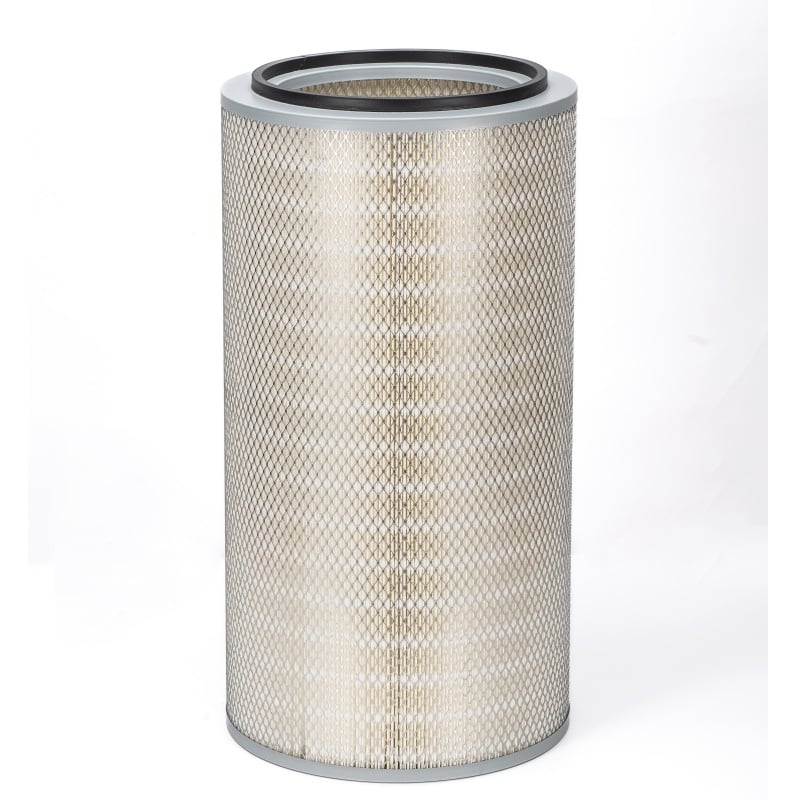
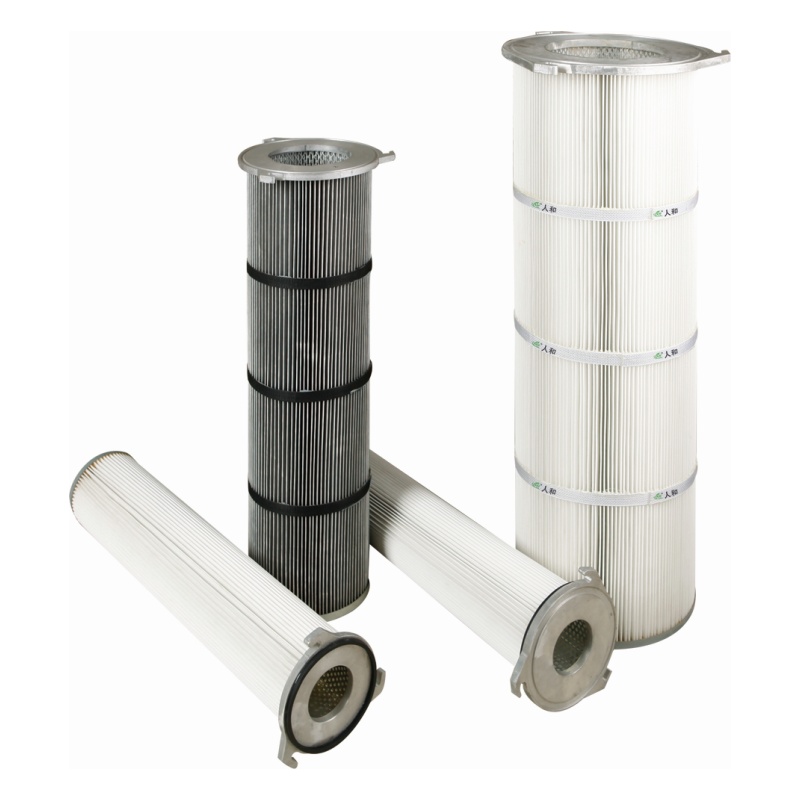
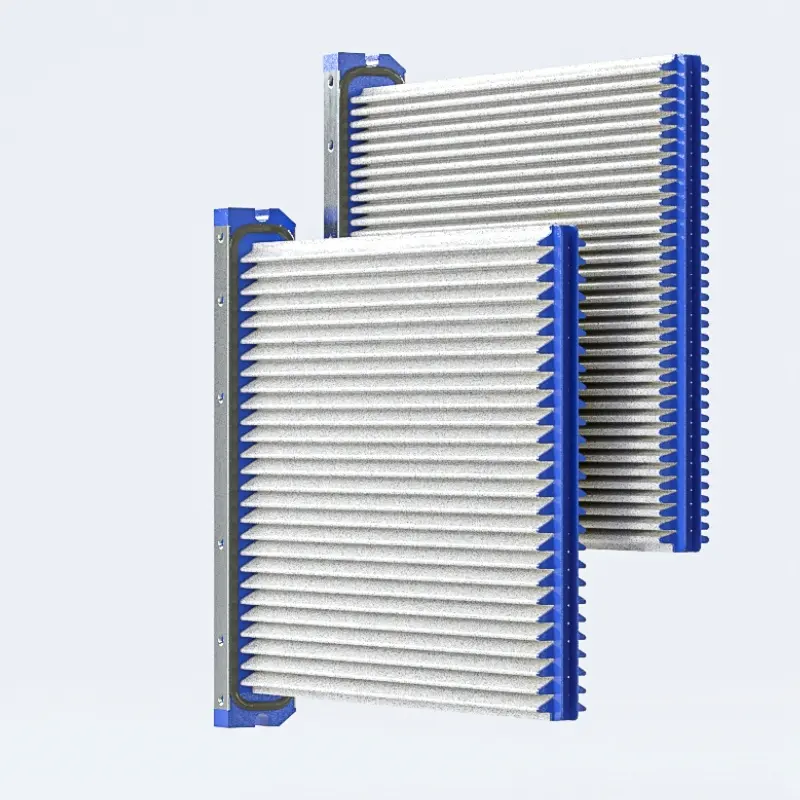
The device is simple in concept and fussy in practice. A housing holds filter media, usually pleated cartridges or filter bags, and a cleaning mechanism, often pulse jet. Air passes through the media, dust stays on the surface, and a pulse of compressed air knocks the dust cake loose so it falls back into the silo. Get the sizing, the cleaning, and the installation right, and the vent runs quietly for years. Get them wrong, and the vent becomes a maintenance headache or a dust release point.
Pneumatic filling moves two things at once: solids and conveying air. A dilute phase system may use a large volume of air at low pressure, while a dense phase system uses less air at higher pressure. Either way, the silo has to vent the conveying air plus the air displaced by the incoming solids. The vent's airflow capacity has to match the peak filling rate, not the average. A vent sized for average flow will run overpressure at the end of a fill cycle, when the blower is still pushing and the silo is nearly full.
Dust load matters just as much. A pneumatic line entrains fines, and those fines hit the vent media at high velocity. The media has to be tough enough to survive the impingement and efficient enough to capture the fines. A pre-cleaner or a deflector in front of the media can drop the heaviest particles before they reach the filter. Without that protection, the media blinds quickly and the cleaning pulse has to work harder than it should.
The bin vent is a pressure control device first and a filter second. If the vent is undersized, the silo runs positive pressure during filling and negative pressure during unloading. Positive pressure pushes dust out through every gap. Negative pressure can collapse a light gauge silo or pull dust back through the vent. The vent's fan, if it has one, and its media area set the pressure drop across the device. That pressure drop adds to the silo's internal pressure, so the vent has to be sized with the filling system, not after it.
On the emissions side, the vent is the last barrier before dust reaches the workplace. A torn cartridge or a loose clamp turns the vent into a dust source. That is why vent maintenance is an environmental control task, not just a housekeeping item. EPA and OSHA guidance on fugitive dust and combustible dust both point to capture at the source, and the vent is that capture point on a silo.
| Vent feature | What it controls | Field consideration |
|---|---|---|
| Media area | Airflow capacity and pressure drop | Size for peak fill rate |
| Media type | Fines capture and dust release | Match to dust characteristics |
| Pulse cleaning | Dust cake removal | Check air supply and valve size |
| Deflector or pre-cleaner | Heavy particle load on media | Reduces blinding |
| Housing and clamps | Leak path and dust release | Inspect gaskets and latches |
| Pressure gauge or sensor | Overpressure and underpressure | Trend data, not single readings |
At a plastics plant in the South, a silo filling line had a history of dust puffs at the fill pipe connection. The bin vent looked fine on inspection, and the cartridges were replaced on schedule. The puffs continued. A pressure trend log showed the silo running positive during the last third of each fill cycle. The vent had been sized for average conveying airflow, not peak. The blower was pushing more air at the end of the cycle than the vent could pass. The fix was a larger vent and a revised fill sequence that slowed the last part of the cycle. The dust puffs stopped. The cartridges were never the problem.
The case is a useful reminder. A vent that looks clean and reads fine at idle can still be undersized for the peak condition. Pressure trend data tells the real story.
Mounting matters. The vent should sit on a flat, reinforced opening with a gasket that seals against the housing. A warped flange or a missing gasket lets air bypass the media. The vent should be vertical, with the media hanging or seated per the maker's instruction. A tilted vent can pool dust on one side and shorten media life. The pulse air supply needs a clean, dry header with enough volume for the cleaning cycle. A small header pressure drop at the valve can leave the media partially cleaned.
Access matters too. The vent needs room for cartridge removal and for inspection of the housing interior. A vent tucked against a wall or under a roof beam is hard to service, and hard-to-service vents get neglected. Walk the roof before installation and confirm that the vent can be reached safely.
A bin vent is not a substitute for a central dust collector when the dust is toxic, when the filling rate is very high, or when the silo sits in a sensitive area. In those cases, the vented air may need to go to a larger collector or a scrubber. A bin vent also does not fix a filling system that is pushing too much air. If the conveying line is poorly designed, the vent will be asked to handle more air and dust than it was built for.
Honest sizing and a clear look at the dust characteristics go further than a bigger cartridge. The vent is a system component, and it works best when the filling system, the vent, and the maintenance routine are designed together.
Renhe supports bin vent supply through manufacturing control, incoming material checks, and supply chain planning that keeps housing dimensions, gasket fit, and media details consistent from lot to lot. Consistent parts make the installation and the maintenance routine easier to repeat.
 Hot News
2026-11-13
2026-11-13
2026-11-13
2026-11-13
2026-11-13
2026-11-12
Renhe focuses on air filter cartridge, gas turbine air filter, Pleated Filter Media, industrial dust, Our main products have been recognized as high-tech products in Jiangsu Province, famous trademarks in Wuxi City, and CE certification.
NO. 31 Xingyuan Road, Jiefang Industrial Park, Gushan Town, Jiangyin City, Jiangsu Province, China (214414)
Copyright © 2024 Jiangsu Renhe Environmental Equipments Co., Ltd Privacy Policy
 EN