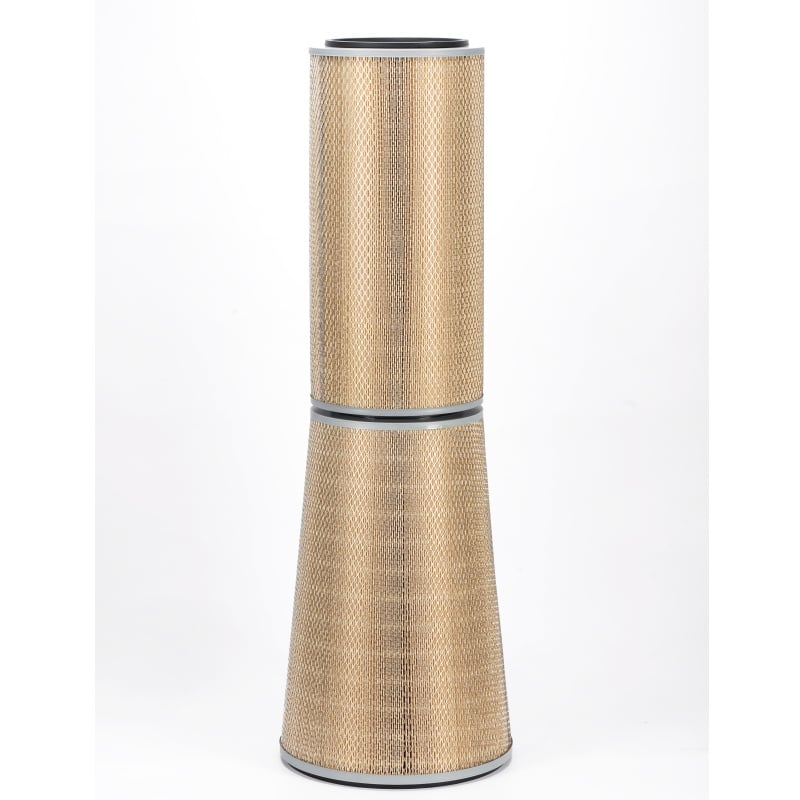
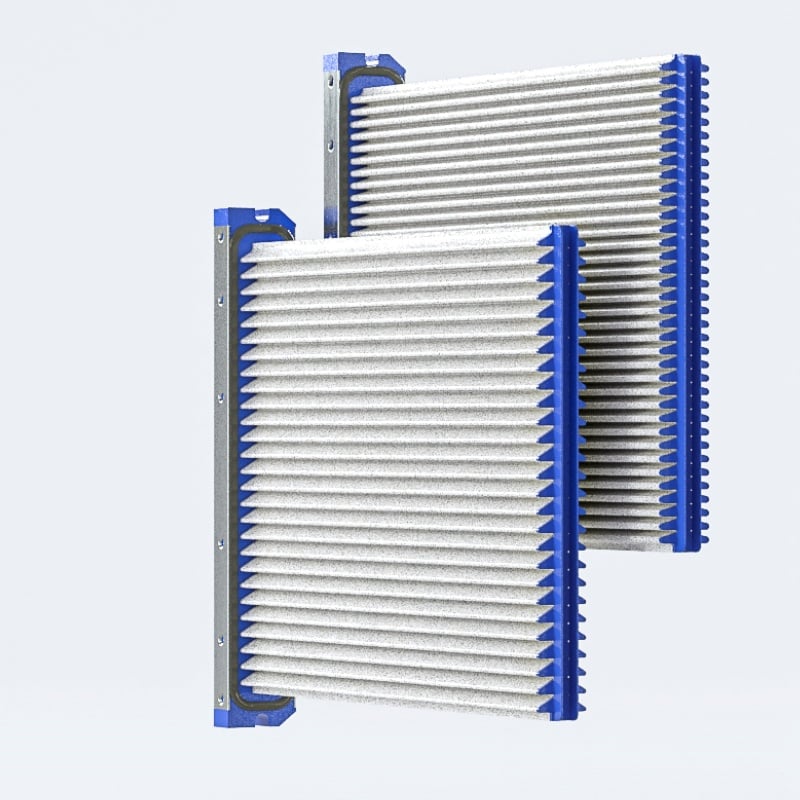
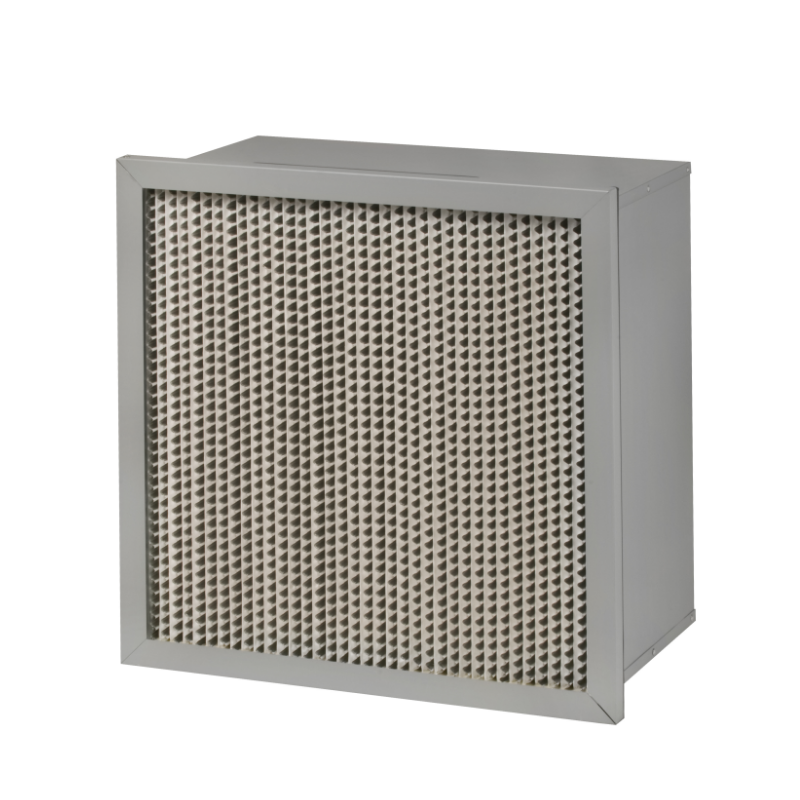
A baghouse retrofit with a pleated filter cartridge can look like a shortcut to more airflow, but the housing, fan, and cleaning system still set the real limit. Pleated media packs more cloth into the same footprint, so the air-to-cloth ratio drops and the baghouse can handle more gas volume at a given pressure drop. That is the promise. The catch is that more airflow is not the same as double airflow, and it is rarely automatic. The fan curve, duct velocity, hopper design, and pulse cleaning capacity all have to line up. A retrofit that ignores those pieces can raise airflow on paper and create dust carryover, high pressure drop, or short cartridge life in the field.
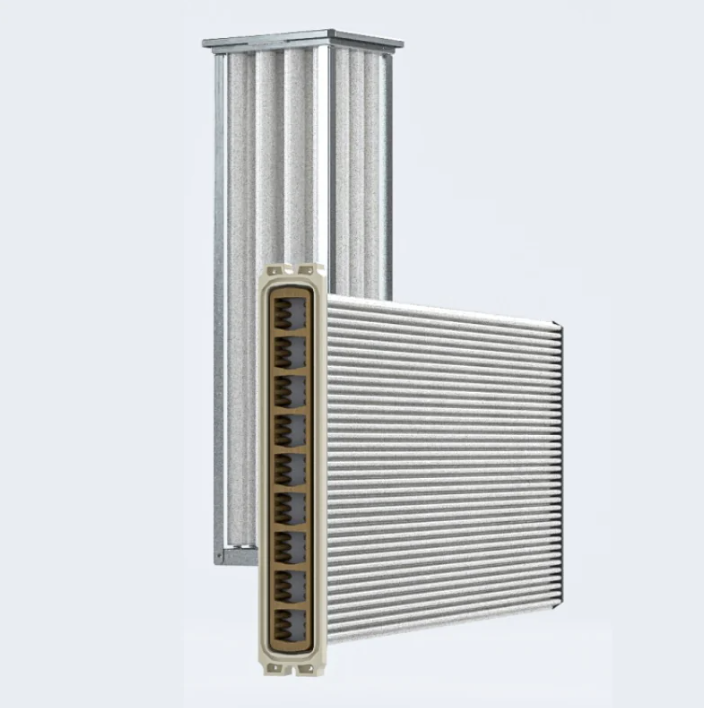
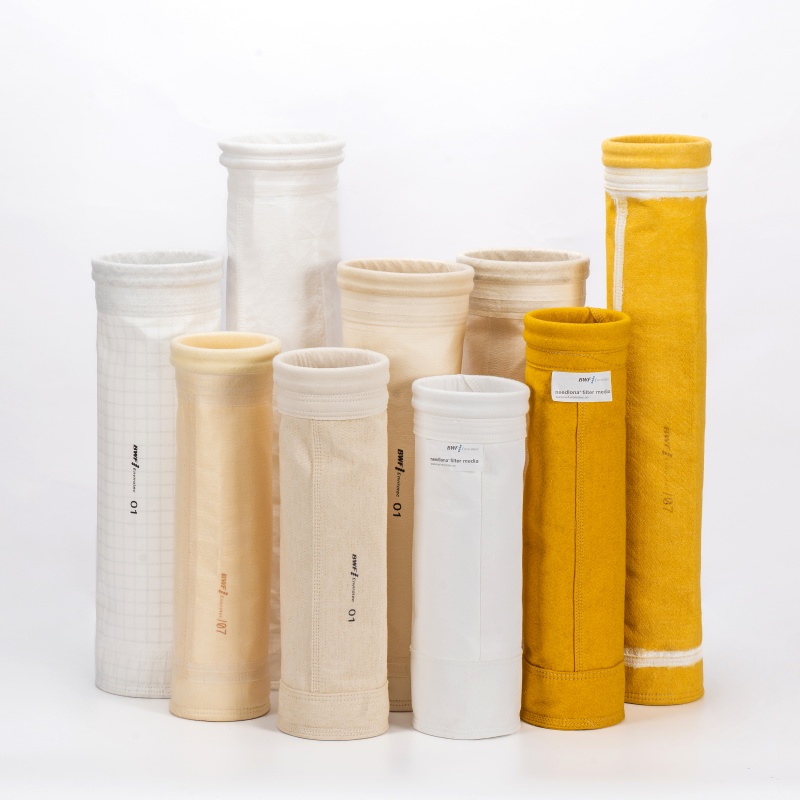
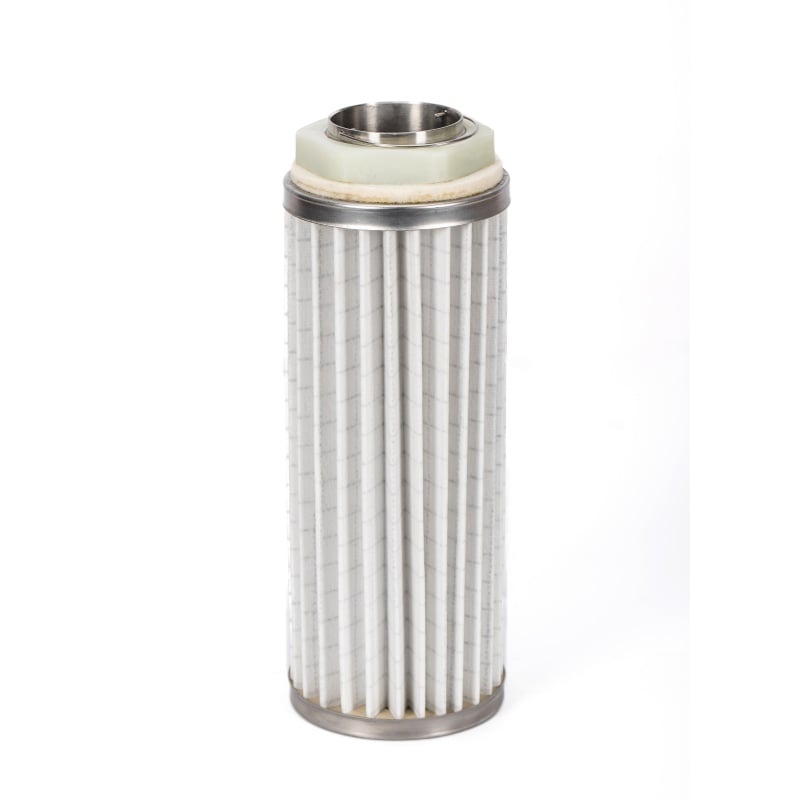
Bag filters and pleated cartridges move gas through media in different ways. A standard bag has a fixed amount of filter area per bag, and the baghouse is designed around that area. A pleated filter cartridge folds media into a compact cage, so the same tube sheet opening can hold several times the media area. More area means a lower face velocity and a lower air-to-cloth ratio for the same airflow. The U.S. EPA fabric filter fact sheet treats air-to-cloth ratio as a key design variable, and that ratio is exactly what changes when pleated media goes into an existing housing. Lower ratio can mean lower pressure drop and better dust release, but only if the cleaning system and the sealing details support it.
| Factor | Standard bag | Pleated filter cartridge | Field note |
|---|---|---|---|
| Media area in same footprint | Baseline | Often 2 to 3 times | Depends on pleat depth and cage design |
| Air-to-cloth ratio | Higher | Lower for same airflow | Confirm fan and duct capacity |
| Pressure drop | Varies with dust load | Can start lower, then rise | Trend data matters more than a single reading |
| Pulse cleaning | Usually lower frequency | Often needs more frequent pulses | Check valve and air header capacity |
| Retrofit fit | Drop-in bag | Needs adapter and seal check | Tube sheet condition decides success |
Pleated media changes the cleaning demand. The pleats create narrow passages, and dust can bridge across them if the pulse energy is too low or the pulse timing is wrong. Before installing a pleated filter cartridge, check the compressed air header, diaphragm valves, and pulse controller. Measure the actual pulse pressure at the manifold, not at the compressor. Look at the air-to-cloth ratio and the dust loading together. A high dust load with a short cleaning cycle can pack dust into the pleats, and that packed dust is harder to remove than a dust cake on a bag. In some retrofits, the existing cleaning system is fine. In others, it needs larger valves, a different pulse sequence, or a pre-cleaner. Honest answer: pleated media is not a universal fix for a weak cleaning system.
A pleated cartridge often needs an adapter or a new tube sheet opening. The seal between the cartridge and the tube sheet is the difference between clean gas and bypass. Check the tube sheet for flatness, rust, and weld spatter. A gasket that looks fine on a bag collar may not seal against a pleated cartridge end cap. Use the cartridge maker's gasket and hardware, and confirm that the cartridge seats square. During a Midwest foundry retrofit, the crew installed pleated cartridges in an existing baghouse and saw airflow rise, but pressure drop climbed after two weeks. The cause was not the media. The pulse valves were undersized for the new cleaning demand, and one adapter gasket had folded during installation. After valve upgrades and a gasket correction, the unit ran at a stable pressure drop. The lesson: airflow gains depend on the whole system, not just the cartridge.
The foundry retrofit is worth a closer look. The original baghouse used pulse jet cleaning and had a history of high pressure drop during peak production. The retrofit team chose a pleated filter cartridge with a conductive cage and a compatible gasket. Airflow capacity improved after startup, but the gain was not a free doubling. The fan was already near its curve limit, and the duct velocity in one branch was marginal. The team adjusted the fan damper, revised the pulse sequence, and added a differential pressure alarm. The result was a stable airflow increase with better dust release. The case shows why a retrofit plan should include a fan check, a duct check, and a cleaning system review. A pleated cartridge can open the door to more capacity, but the rest of the baghouse has to walk through it.
Retrofit work rewards consistent parts. Renhe supports baghouse upgrades through manufacturing control, incoming material checks, and supply chain planning that keeps cartridge dimensions, gasket details, and cage finishes consistent from lot to lot. That consistency matters when a crew is fitting a pleated filter cartridge into an existing tube sheet and needs the seal to land the same way every time. The right retrofit still starts with a system check, not a catalog number.
 Hot News
2026-11-13
2026-11-13
2026-11-13
2026-11-13
2026-11-13
2026-11-12
Renhe focuses on air filter cartridge, gas turbine air filter, Pleated Filter Media, industrial dust, Our main products have been recognized as high-tech products in Jiangsu Province, famous trademarks in Wuxi City, and CE certification.
NO. 31 Xingyuan Road, Jiefang Industrial Park, Gushan Town, Jiangyin City, Jiangsu Province, China (214414)
Copyright © 2024 Jiangsu Renhe Environmental Equipments Co., Ltd Privacy Policy
 EN