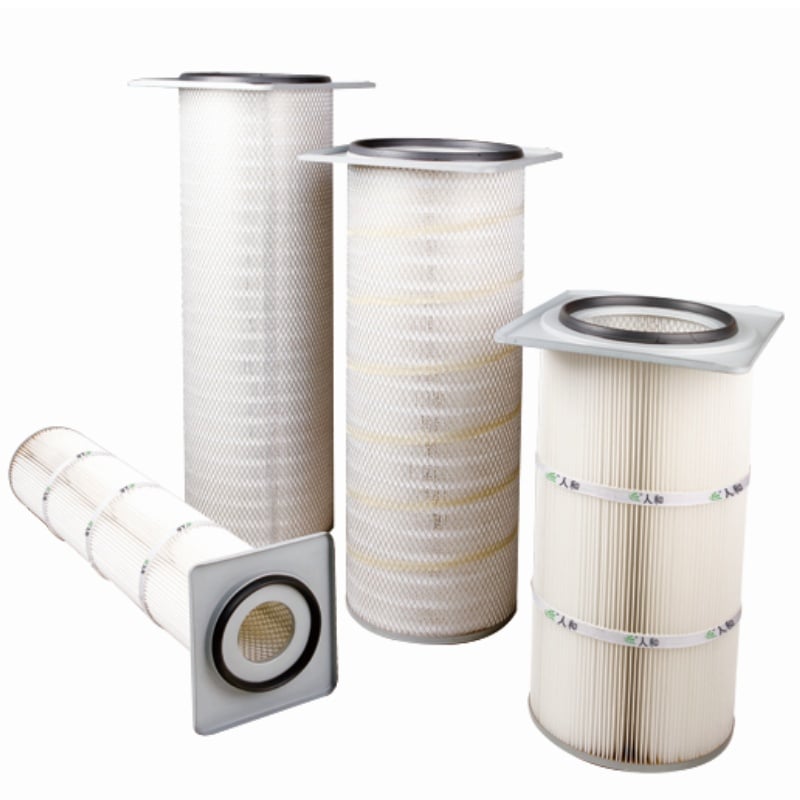
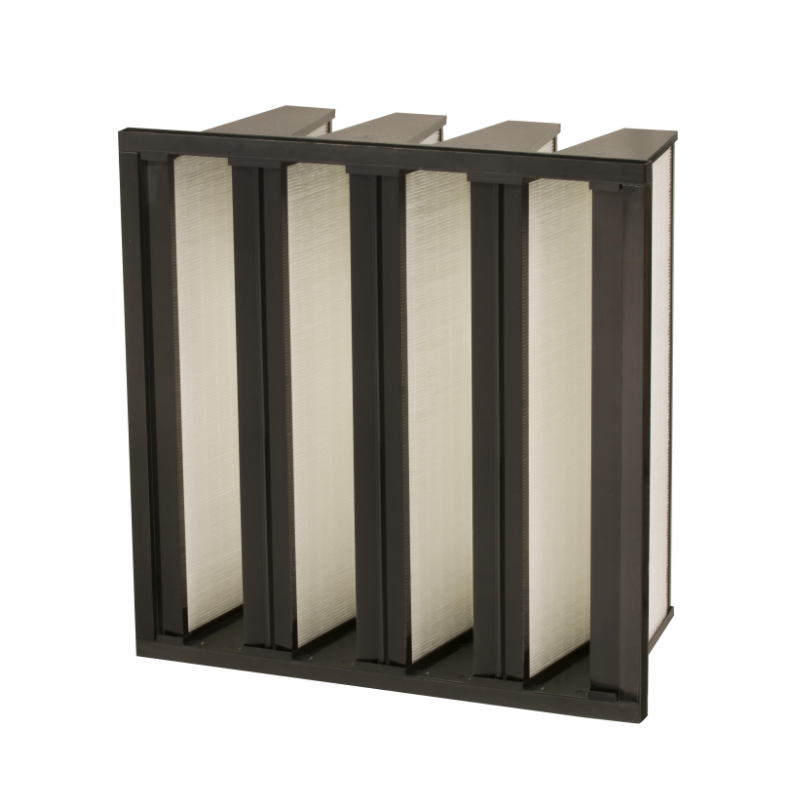
A dust collector that was built on site or modified over the years rarely matches a catalog drawing. The tube sheet opening may be out of round, the sealing land may be pitted, and the available insertion depth may be shorter than the standard cartridge. These problems show up as bypass, gasket leakage, or a cartridge that cannot be seated. A custom filter cartridge addresses the interface, not the dust. The media still has to handle the dust load. The difference is that the cartridge is built to the housing that exists, not to a nominal size that the housing was supposed to have. That distinction matters in retrofit work, where the housing is fixed and the cartridge is the variable.
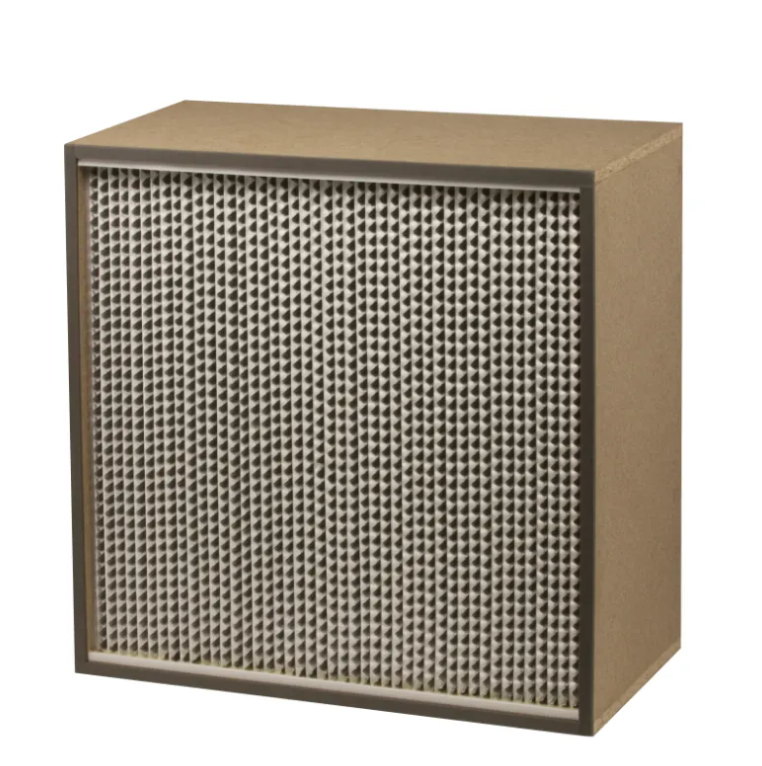
The first step is a dimensional survey. The survey should record the tube sheet opening diameter at several points, the sealing surface flatness, the distance from the sealing land to the stop, the clamp or hold-down geometry, and the clearance around the cage. A photo is useful, but a photo does not carry a tolerance. The survey should also note corrosion, weld spatter, and old gasket residue. A custom cartridge built to a sketch that omitted these details can fit the bore and still leak. ASME Y14.5-2018 is a useful reference for stating dimensions and tolerances clearly, and it helps when the survey is turned into a drawing package. The measurement step is not glamorous. It is the step that decides whether the cartridge works.
The end cap is where a non-standard housing usually hurts. A standard cartridge may have a gasket that sits on a flat land. The existing housing may have a grooved land, a raised lip, or an uneven surface. A custom end cap can be built with a matching groove, a different gasket profile, or a wider sealing face. The gasket hardness and compression height should be chosen for the actual land, not for a catalog value. Over-compression can distort the cap. Under-compression can pass a visual check and leak under negative pressure. The table below shows where a standard cartridge and a custom cartridge differ in a non-standard housing.
| Interface issue | Standard cartridge result | Custom cartridge response | What to verify |
|---|---|---|---|
| Out of round tube sheet | Gasket point contact, bypass | Machined cap to measured bore | Roundness and clearance |
| Pitted sealing land | Leak path under gasket | Wider gasket, softer durometer | Surface prep and compression |
| Shallow insertion depth | Cartridge protrudes or binds | Shortened pleat pack and cap | Stop distance and cage clearance |
| Non-standard clamp | Loose or uneven seat | Cap geometry matched to clamp | Clamp contact pattern |
| Corroded stop shoulder | Cap does not seat | Revised shoulder and gasket | Load path and seal |
The table is a design guide. Each row needs a measurement, not an assumption.
A cartridge can fit the bore and still fail in service because the cage rubs the housing or the cartridge cannot be pulled out. The custom design should include the insertion depth, the clearance between the outer cage and the housing wall, and the space needed for removal. A cartridge that is too long can bottom out and lift the gasket. A cartridge that is too wide can rub the membrane or the cage. Removal space matters on housings with limited headroom. A made-to-fit cartridge that cannot be serviced is still a bad design. The drawing should show the removal path and the tool clearance, not just the installed position.
Fitting is necessary but not sufficient. The custom filter cartridge still needs enough media area for the design airflow and dust load. A cartridge that fits a shallow housing may need a smaller pleat pack, which can raise the face velocity and the pressure drop. The cleaning system also matters. A pulse jet sized for the original cartridge may be too strong or too weak for the new media. ISO 16890 is useful for classifying general air filters, but it does not replace a project specific dust load review. The design should state the airflow, the expected loading, the cleaning method, and the pressure drop limit. A fit-only design can pass installation and fail in operation.
A custom cartridge solves interface problems. It does not fix a housing that is too small for the airflow, a corroded shell, a fan that cannot handle the pressure drop, or a dust that requires a different collector type. A field case from a chemical plant retrofit in southern China showed both the value and the limit. The existing dust collector had a tube sheet that was out of round and a sealing land with old weld spatter. A standard cartridge bypassed at the gasket. A custom cartridge with a machined end cap and a wider gasket sealed the housing. The pressure drop still ran high because the housing was undersized for the airflow. The custom cartridge fixed the fit, not the capacity. That is an honest boundary. For projects that need consistent fabrication, batch level material control, and a supply chain that can match measured housing interfaces, Renhe's production base and quality control process can support the drawing review and first article side of the work.
 Hot News
2026-11-13
2026-11-13
2026-11-13
2026-11-13
2026-11-13
2026-11-12
Renhe focuses on air filter cartridge, gas turbine air filter, Pleated Filter Media, industrial dust, Our main products have been recognized as high-tech products in Jiangsu Province, famous trademarks in Wuxi City, and CE certification.
NO. 31 Xingyuan Road, Jiefang Industrial Park, Gushan Town, Jiangyin City, Jiangsu Province, China (214414)
Copyright © 2024 Jiangsu Renhe Environmental Equipments Co., Ltd Privacy Policy
 EN