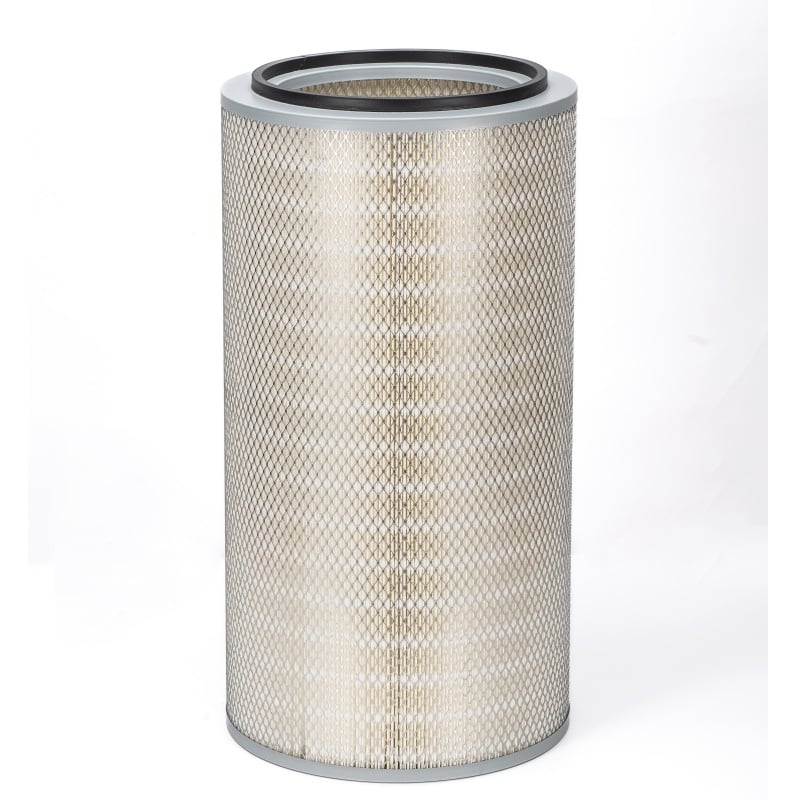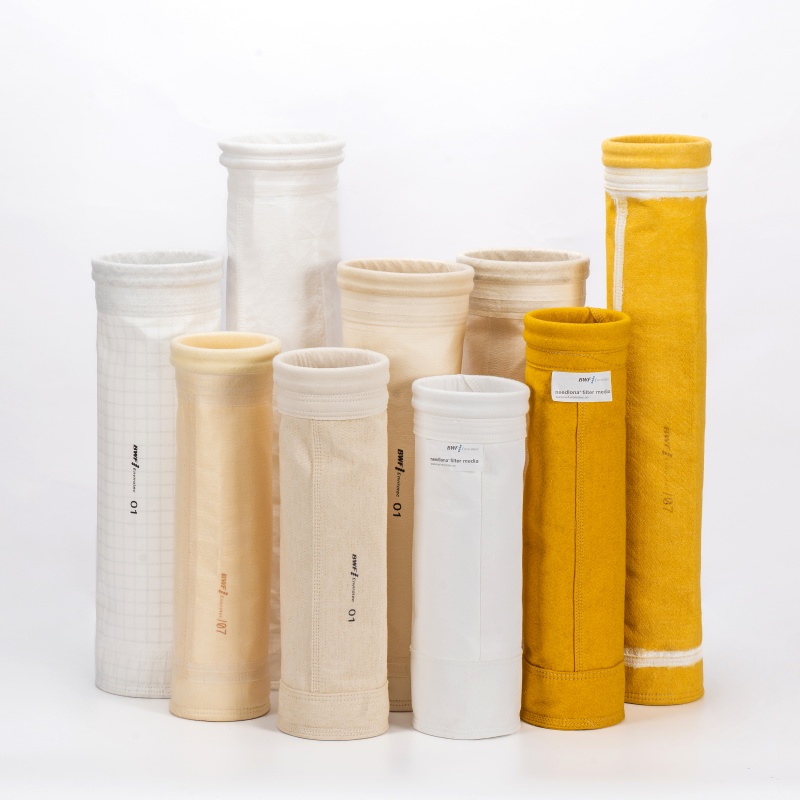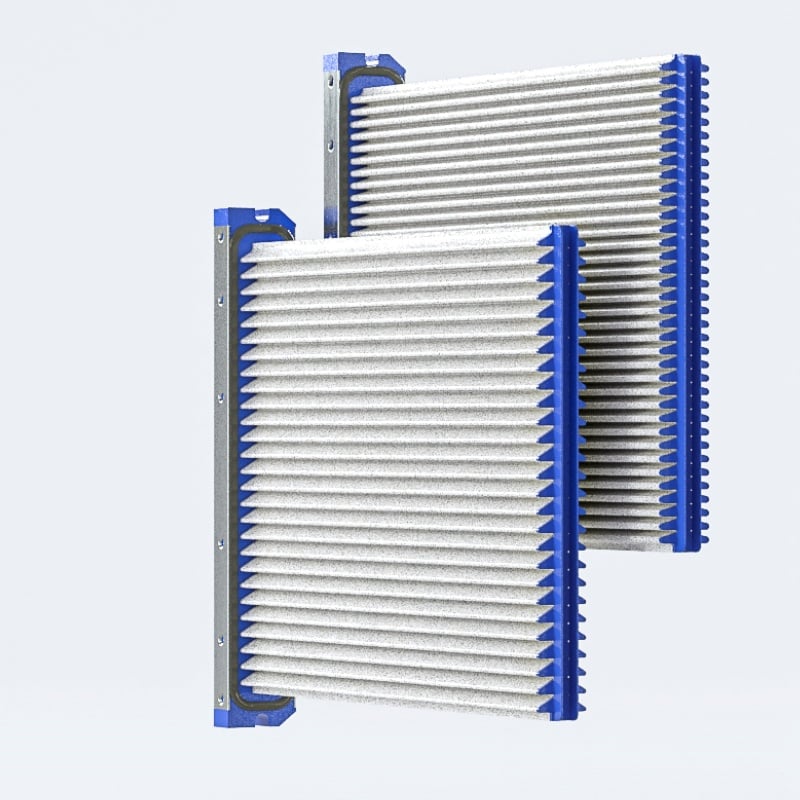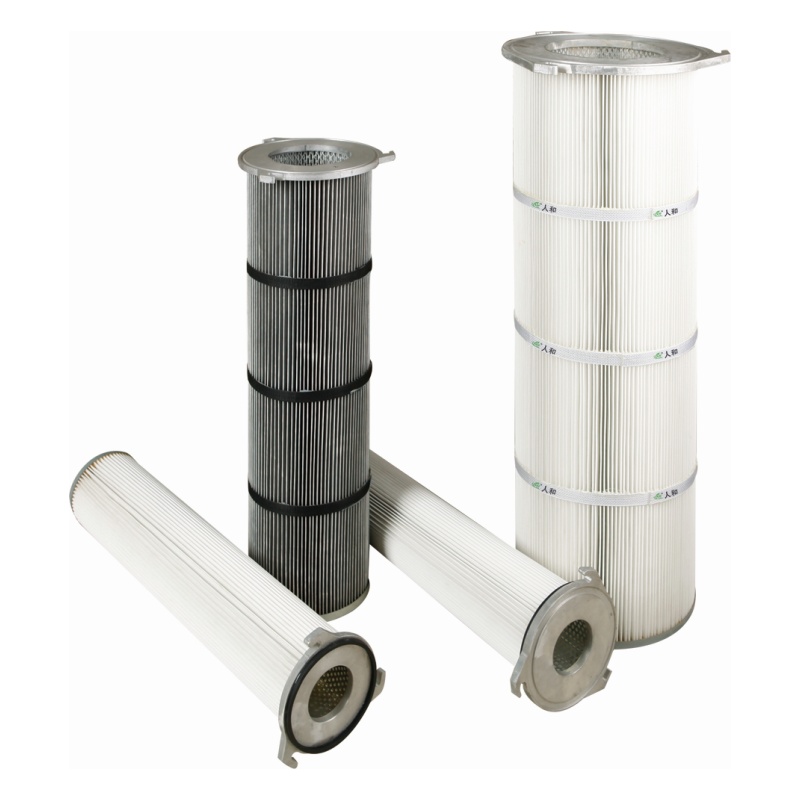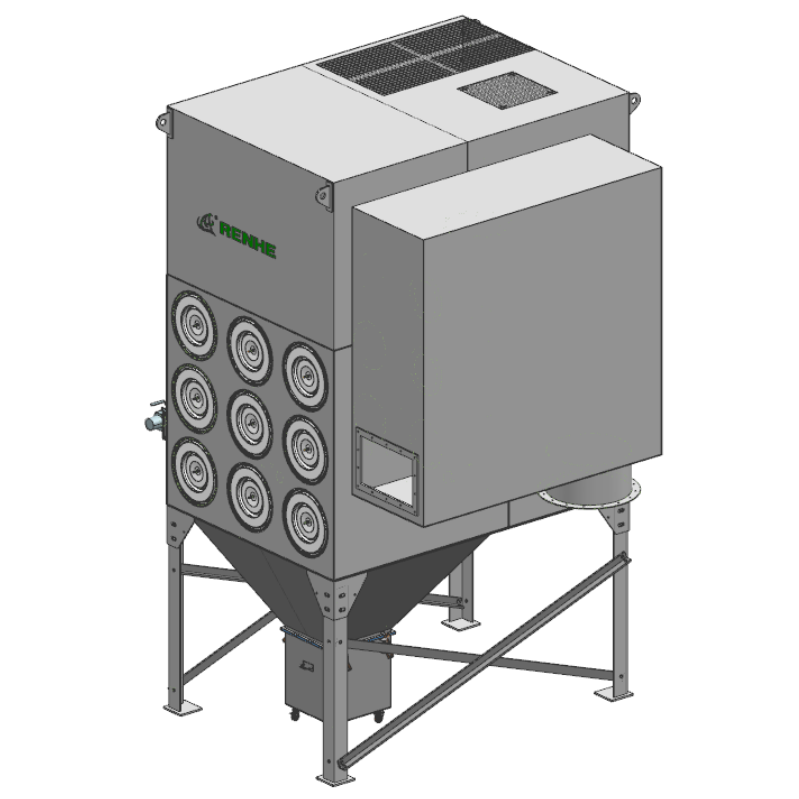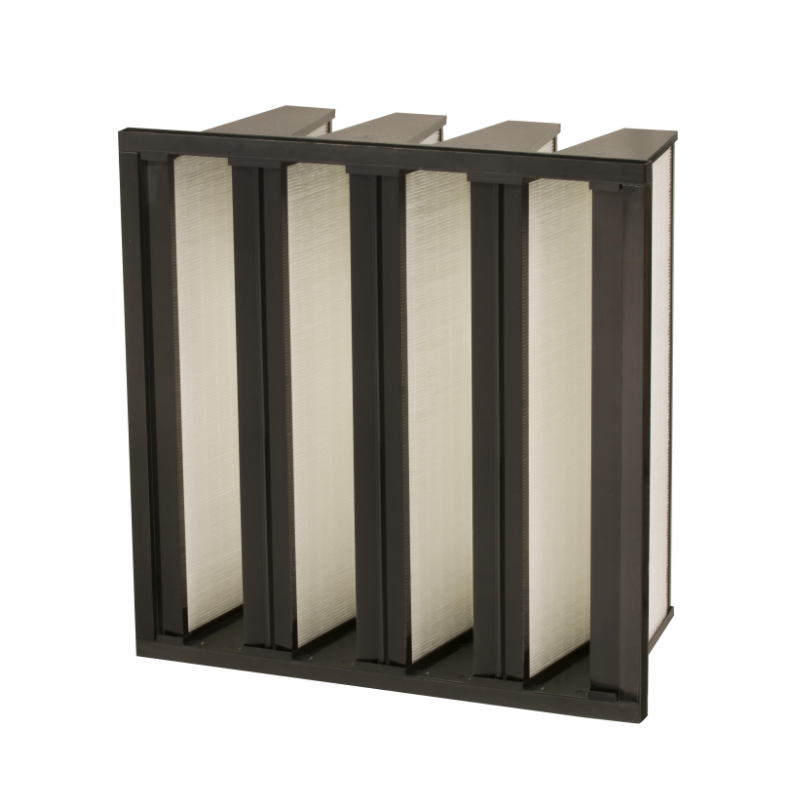
A self-cleaning air filter protects compressors and turbines by stripping dust from the intake before it reaches rotating parts. Yet many buyers compare only media efficiency and filtration area, ignoring how the unit decides when to clean. A self-cleaning air filter that pulses on a fixed timer will fire even while the element is still clean, spending compressed air and wearing valves for no benefit. The practical question for a plant engineer is not whether a self-cleaning air filter can clean itself, but whether it cleans only when the media actually asks for it. Choosing a self-cleaning air filter therefore starts with the control philosophy, not the datasheet.
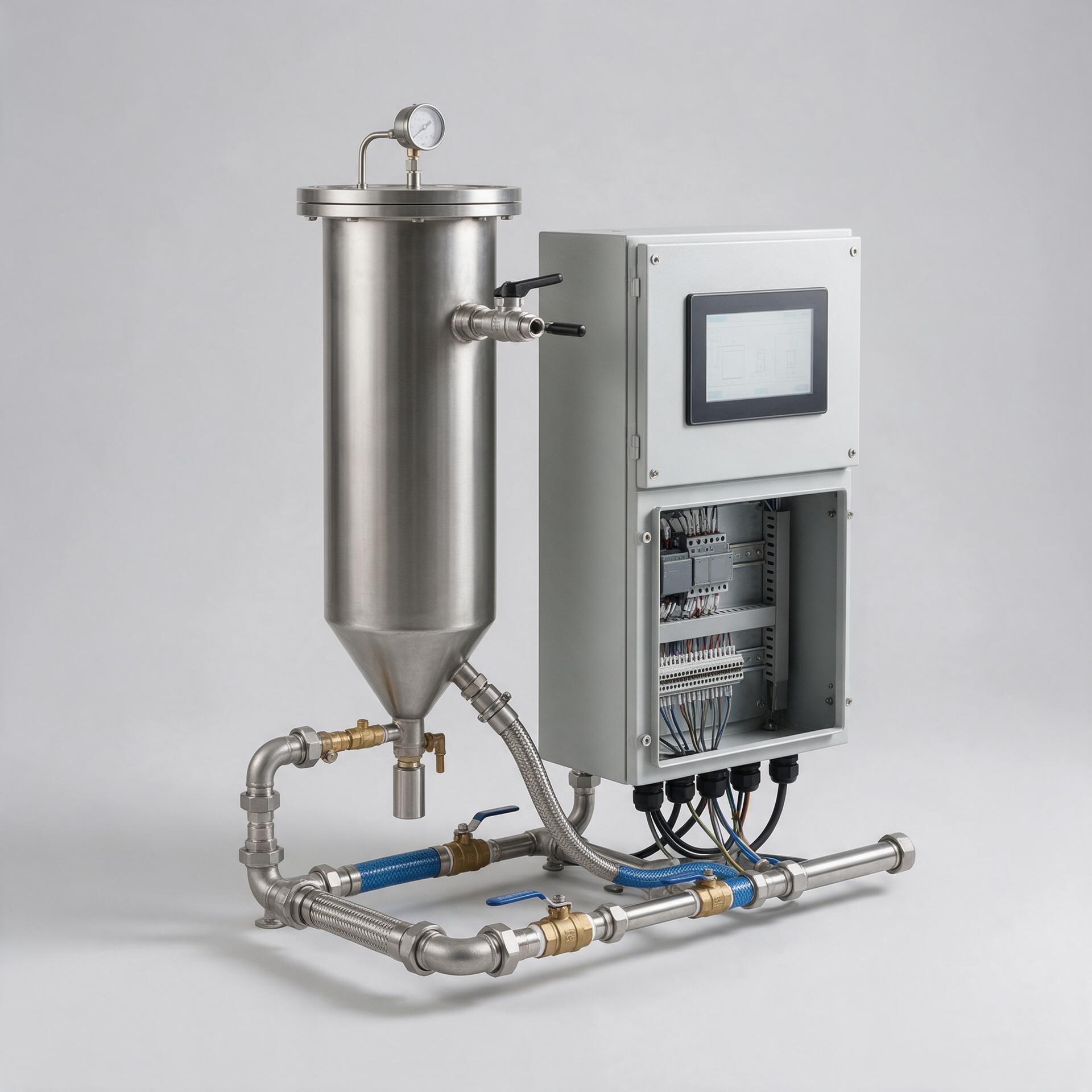
Modern systems rely on PLC control to convert a differential pressure signal into a cleaning decision. Two taps, one upstream and one downstream of the media, feed a transmitter that reports the resistance built by the dust cake. The logic compares that reading with a high setpoint and a low setpoint, then decides whether a pulse is justified. Because PLC control works on the real condition of the media instead of elapsed time, it adapts to seasonal dust loads, humidity swings and changing airflow. For a self-cleaning air filter feeding several machines, that adaptability holds the intake stable without constant operator adjustment, and it keeps differential pressure inside a predictable band.
When the high setpoint is reached, PLC control releases a short pulse cleaning sequence. A solenoid opens briefly and compressed air expands through the blow pipe, flexing the pleats and dislodging the dust layer. The controller then pauses and rechecks the reading before it permits another cleaning cycle. That pause matters, because it stops a rapid string of firings and gives dust time to fall into the hopper. By tying each valve to a measured need, the system consumes compressed air only when the cake truly demands it. Operated this way, the filter does not force the plant compressor to carry an artificial, timer driven load.
Consider an anonymous compressed air station serving a fabrication shop. The original self-cleaning air filter used fixed interval cleaning, and operators noticed receiver pressure dipping every time the valves fired. After reviewing the control philosophy, the maintenance team changed to differential pressure based PLC control without touching the media or the cartridge count. Compressed air demand became smoother and the pressure trace flattened, even though the hardware was unchanged. The lesson is general rather than brand specific: before you buy a self-cleaning air filter, ask how the cleaning decision is made. Two identical housings can behave very differently under timer control and cleaning triggered by a real pressure signal.
A short checklist keeps the conversation practical. Confirm that the transmitter ports can be isolated for service and that the pressure range fits the expected loading. Ask whether PLC control offers separate high and low thresholds and a manual cleaning mode for commissioning. Verify that cleaning valves are accessible and that the compressed air supply is dry and regulated. Review the air compressor inlet series against your real flow, since an oversized self-cleaning air filter may never reach its cleaning setpoint and will simply idle. These checks protect the filter medium and the downstream compressor at the same time.
The frequent error is setting the high threshold too close to working resistance, which triggers cleaning before a useful cake forms and wastes compressed air. Another is placing the downstream tap where turbulence distorts the reading, so PLC control chases a noisy signal. Some teams ignore a slowly rising baseline pressure, which usually means the media is blinding and no amount of cleaning will bring it back. Neglect of the hopper or drain can also re-entrain dust and hide the benefit of intelligent control. A self-cleaning air filter performs best when its mechanics and its PLC control logic are reviewed together, not purchased as unrelated items.
Keep a simple log during commissioning so the value of demand based cleaning becomes visible. Record pressure before and after each cycle, note the ambient dust conditions and track how often the valves fire across a week. When the controller is tuned correctly, the pattern should show fewer firings at stable load and a slow, even rise between cycles. Share that log with your supplier when you review the setting, because it turns a vague claim about air savings into a measurable baseline. A short trial is more persuasive than a catalogue figure and helps the whole team understand how the unit behaves under real plant conditions.
Question one: Does PLC control remove the need for manual checks?
Answer: No. PLC control automates the cleaning decision, but operators should still trend pressure, inspect the hopper and confirm that compressed air is dry. A self-cleaning air filter still benefits from routine visual checks.
Question two: How does cleaning on demand save compressed air?
Answer: It fires only when pressure crosses a setpoint instead of running on a fixed timer. Each cleaning event therefore matches a real dust load, so compressed air is not spent on an already clean element of the self-cleaning air filter.
Question three: Can I retrofit PLC control to an older unit?
Answer: Often yes. If the housing and valves are sound, adding a transmitter and PLC control logic can convert a timer driven self-cleaning air filter to demand based cleaning. Verify compatibility with your supplier before committing to the change.
 Hot News
2026-11-21
2026-11-21
2026-11-21
2026-11-21
2026-11-21
2026-11-20
Renhe focuses on air filter cartridge, gas turbine air filter, Pleated Filter Media, industrial dust, Our main products have been recognized as high-tech products in Jiangsu Province, famous trademarks in Wuxi City, and CE certification.
NO. 31 Xingyuan Road, Jiefang Industrial Park, Gushan Town, Jiangyin City, Jiangsu Province, China (214414)
Copyright © 2024 Jiangsu Renhe Environmental Equipments Co., Ltd Privacy Policy
 EN