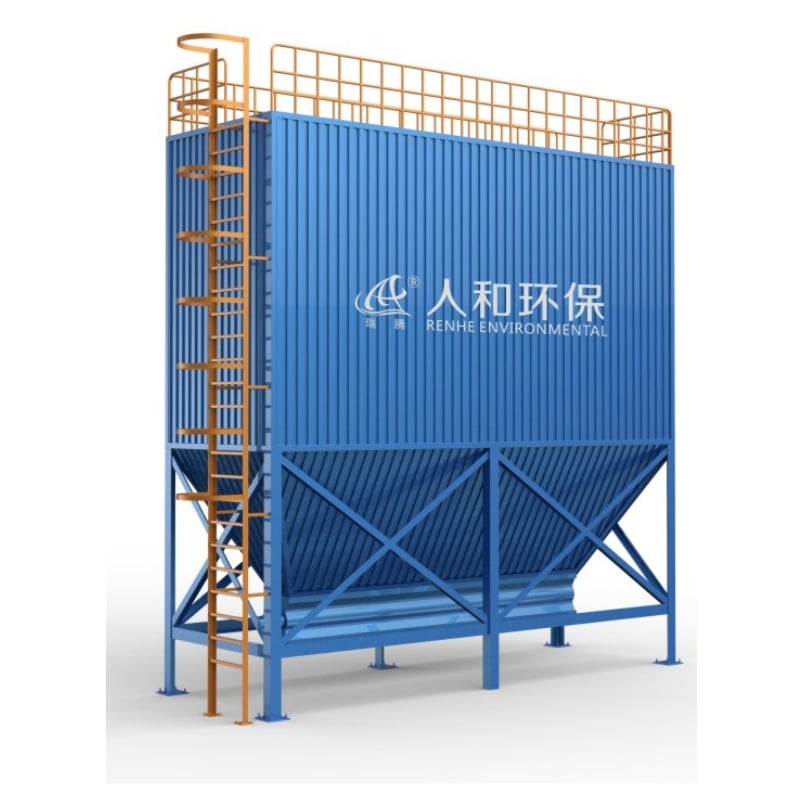
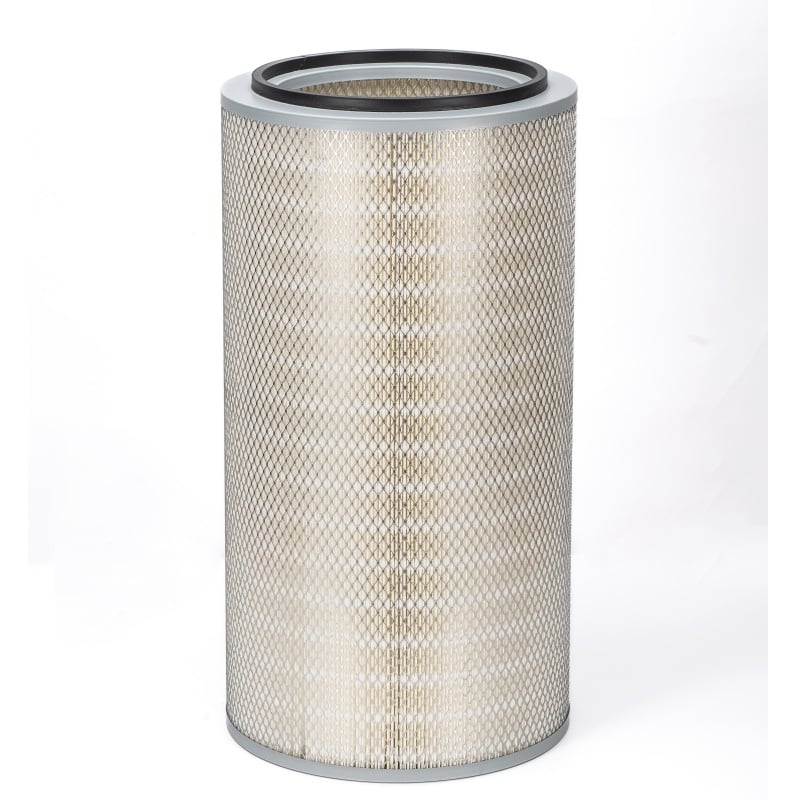
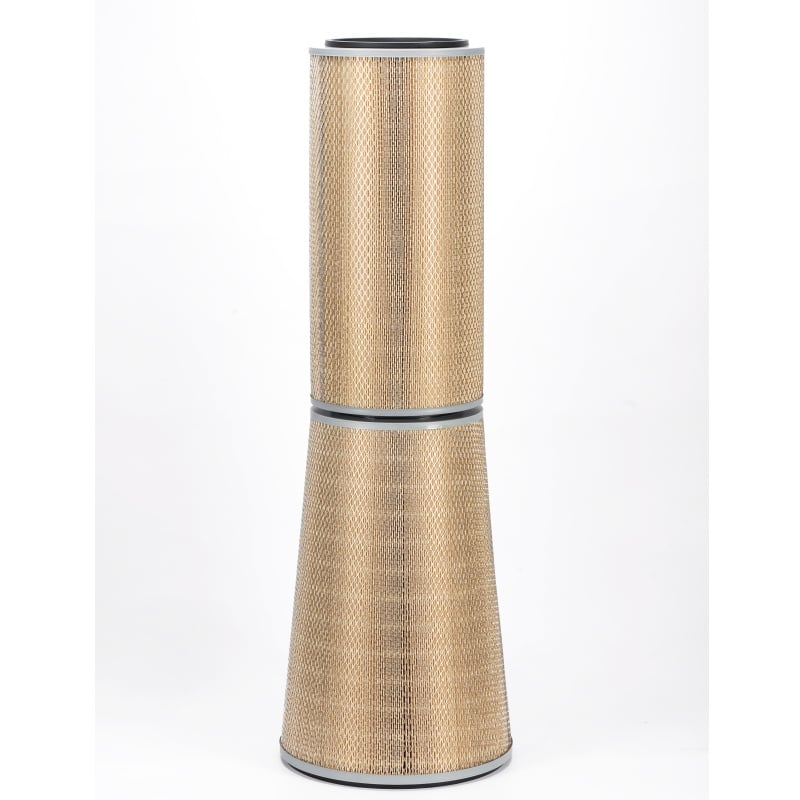
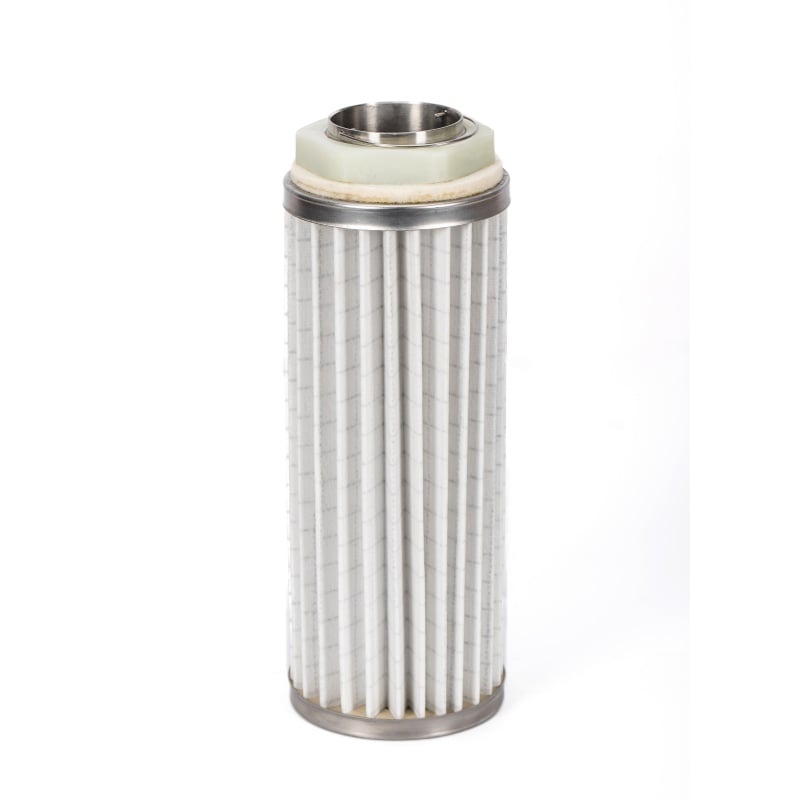
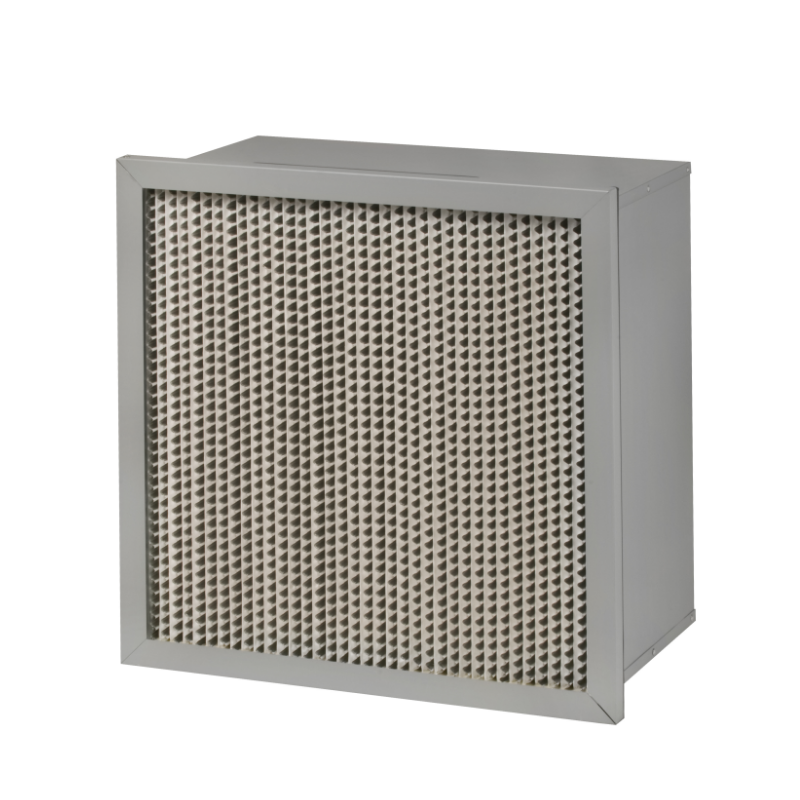
Ventilatio silo montata in flangio tantum bona est quantum flangium, super quo sedet. Apex sili saepe est superficies minime plana in loco. Fortasse habet distortionem ex soldatura, residua antiqui cinguli, aut labium elevatum ex praecedenti unitate. Installatio incipere debet per inspicientiam faciei flangii, schematis bullarum, et spatii liberi circa aperturam. Inspectio debet notare planitiam, statum foraminum bullarum, et distantiam ad balustrum vel ad marginem tecti. Ventilatio silo posita super flangium distortum visu transire potest, sed tamen stillare in pluvia. Prima hora in tecto melius impenditur cum regula recta et scopa ferrea quam cum machina elevandi.
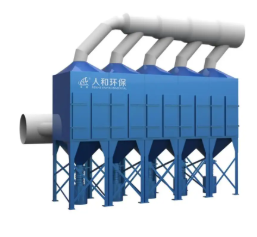
The gasket is the part that decides whether the unit stays dry and dust-tight. A compressed fiber gasket, a rubber gasket, and a PTFE-faced gasket behave differently under a cement or grain dust load. The gasket should match the flange surface and the operating temperature. A reused gasket is a false economy. The bolt pattern should be checked against the unit's flange, and any damaged threads should be chased before the lift. Flatness should be checked with a straightedge and a feeler gauge. A gap under a straightedge that exceeds the gasket's compression range will not close with bolt torque alone. The table below shows the checks that matter before the crane is called.
| Inspicere | Meta | Error vulgaris |
|---|---|---|
| Flange flatness | Within gasket compression range | Pitted or warped face left as is |
| Gasket condition | New, correct material | Reusing old gasket |
| Foramina bullarum | Clean, undamaged threads | Forcing a damaged bolt |
| Clearance | Enough for removal and service | Unita nimis prope ad manubrium |
| Puncta levationis | In unitate, non in flangia | Funiculus circa corpus |
Tabula est praecipua tabula inspiciendarum rerum ante levationem. Quisque series facilius emendatur in terra quam in tecto.
The lift should use the lifting points on the unit, not a sling around the housing. A sling can distort the housing and put the fan or the pulse pipes out of alignment. The unit should be landed squarely, with the gasket centered on the flange. A guide pin or a temporary stud can help alignment. The unit should not be dragged across the flange to line up the bolt holes. Dragging can roll the gasket and create a leak path that is hard to find later. Once the unit is seated, a few bolts should be hand-tightened to hold position before the crane is released. A field case from a grain silo installation in the north China plain showed the cost of a rushed landing. The gasket was rolled during alignment, and the unit leaked dust at the flange during filling. The fix required a second lift and a new gasket. The lesson was simple: align first, land once.
Torque of boltus debet sequi patternum crucis, per gradus, donec valor specificatus attingatur. Stringere unam partem primum potest causare inclinationem flangiae et relinquere interstitium in parte opposita. Clavis torque utilis est, sed patternum aeque magni momenti est quam numerus. Post stringendum, interstitium flangiae inspiciendum est in pluribus punctis. Calamus felellus potest ostendere utrum gasket compressus sit aequaliter. Testum bullarum saponeum aut testum fumi levis potest confirmare hermeticitatem antequam silo impleatur. Linea aeris pulsantis coniungenda est et probanda antequam unitas in servitium ponatur. Humiditas in linea aeris pulsantis potest obturare filtrum et augere cadum pressionis. Filtrum coalescens et cruris exsiccationis sunt praesidia parva pretii.
The pulse air supply must be dry, filtered, and correctly sized for the pulse valves. Installing a moisture trap at the unit is worthwhile, despite the space it requires. The control timer must be set according to the actual dust load—not a default value. Cement dust and grain dust settle and release differently; therefore, the pulse interval must match the specific dust type. Weather protection must include either a rain hood or a weather cover that does not obstruct the exhaust flow. A bird screen is beneficial, but it must be sized to avoid restricting airflow. The unit must also be properly grounded—especially when installed on silos handling combustible dust. NFPA 652 mandates a dust hazard analysis for combustible dust, and the bin vent must be included in that analysis. The analysis must address vent location, exhaust path, and ignition risk.
Un ventilo de silo montatus super flange non est substitutus pro ventilo de relaxatio pressionis aut pro ventilo de explosione. Illo tractat aerem dislocatum durante le implention, non un deflagratione. Le silo debe haber un relaxatio de pressione separate dimensionate pro le rate de implention e le fornimento de aer. Le accessu pro le substitution del filtro e le service del valvula de impulso debe esser planificate ante que le unitate es levate. Un unitate que es secur pro installar ma impossibile pro servir essera neglectite. Le directive ATEX 2014/34/EU e le codices electric local applica al controlos e al motor, e le installation debe esser verificate contra illos requisitos. Pro projectos que necessita fabrication consistent, control de material a nivel de lotto, e un catena de fornimento que pote adaptar se a le interfaces de flange del silo, le base de production e le processo de control de qualitate de Renhe pote supportar le revision de disegnos e le parte de delivery del labor. Un bon installation de ventilo de silo es tediose in le die que lo es facte e silenti pro annos subsequente.
 Nuntii Calidi
2026-11-13
2026-11-13
2026-11-13
2026-11-13
2026-11-13
2026-11-12
Renhe in aerem sparguntur cartridge, gas turbines aeris sparguntur, Pleated Filter Media, pulvis industrialis, Nostra producta principalia in Jiangsu Provinciae, in Wuxi urbe trademark celeberrimis notis, CE certificatione.
NO. 31 Xingyuan Road, Jiefang Industrial Park, Gushan Town, Jiangyin City, Jiangsu Province, China (214414)
Copyright © 2024 Jiangsu Renhe Environmental Equipments Co., Ltd POLITICA PRIVATATIS
 EN