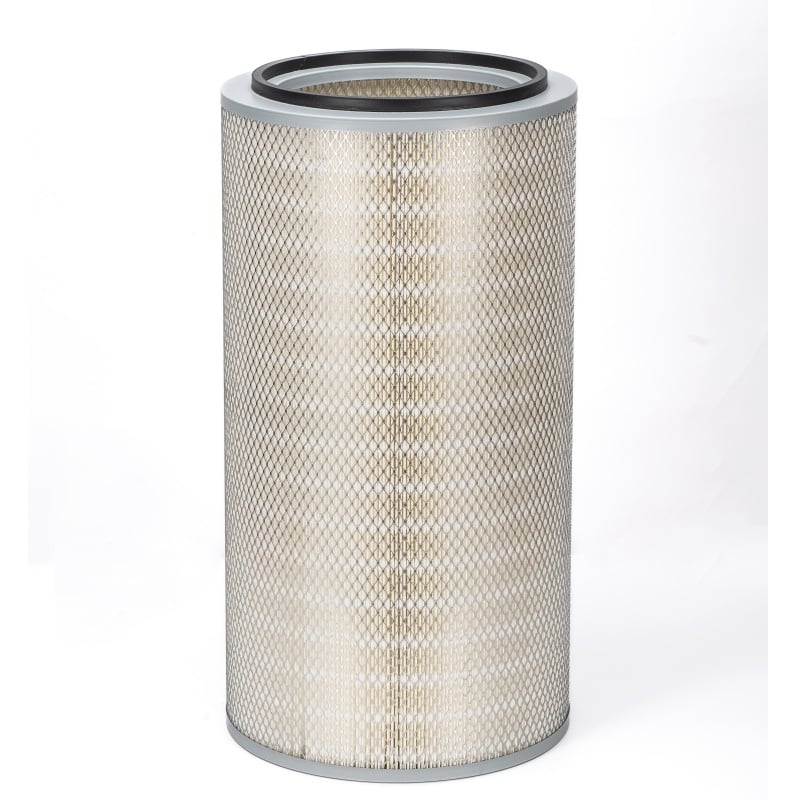
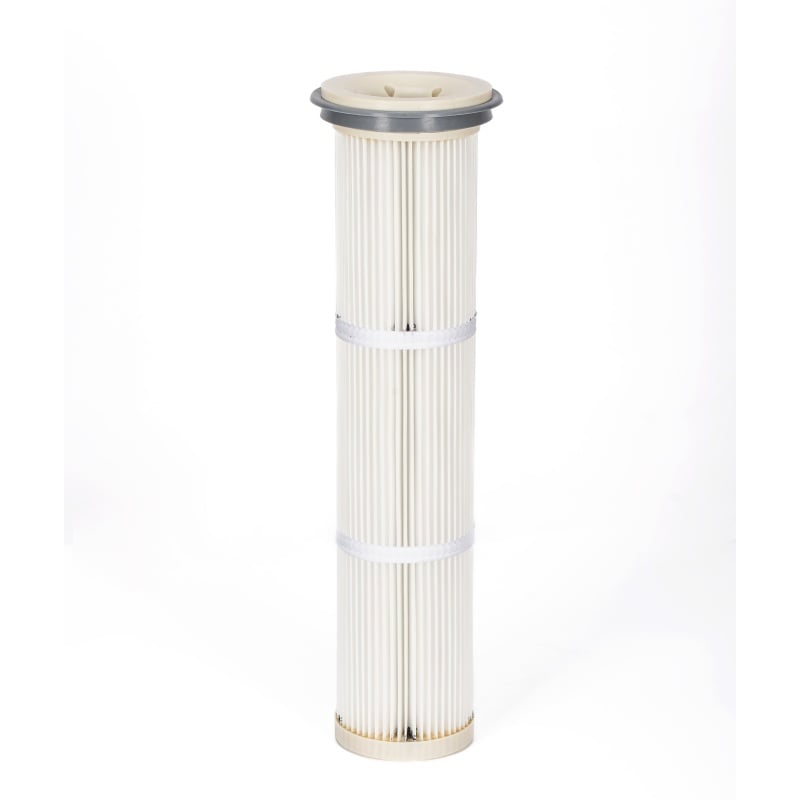
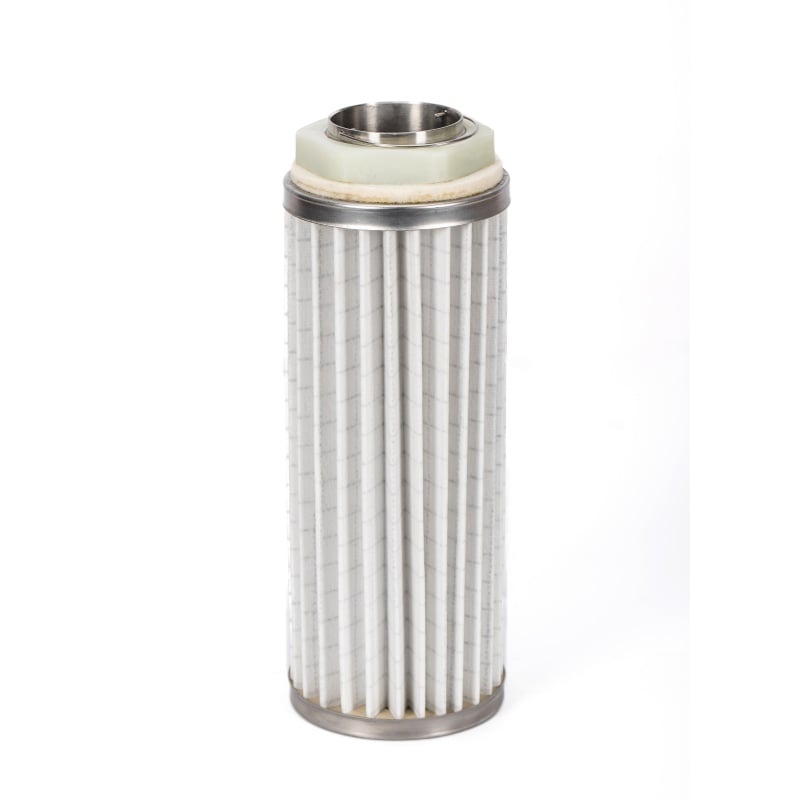
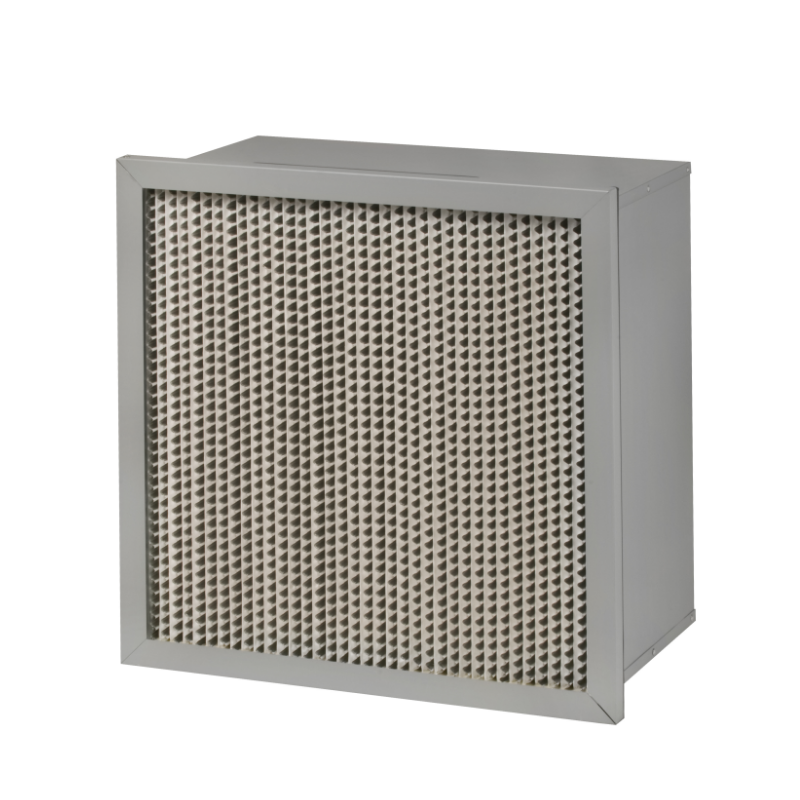
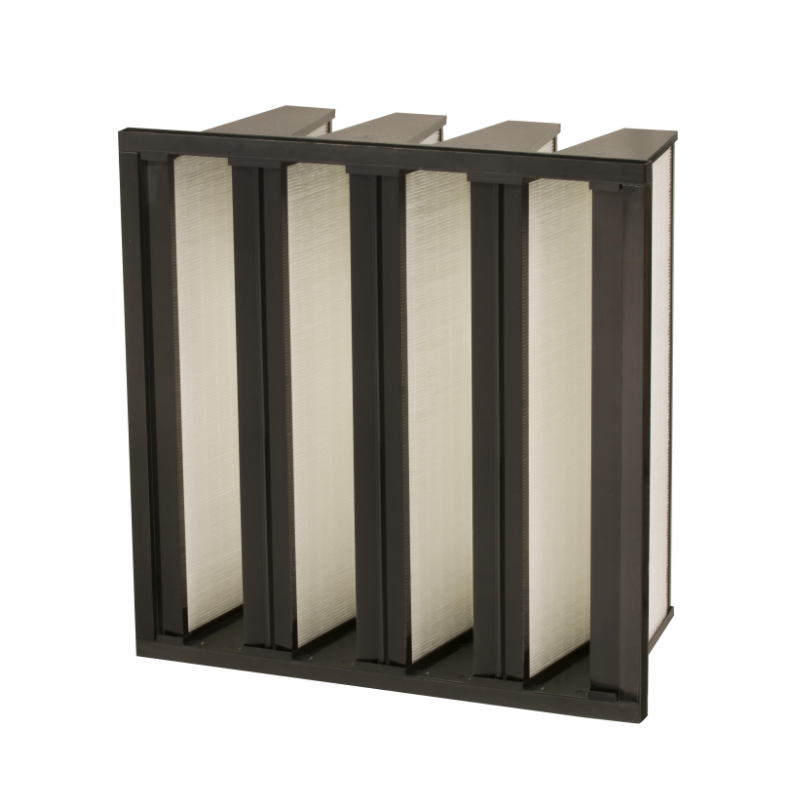
A bin vent is a small filter mounted on top of a silo, bin, or hopper. It treats the displaced air when powder is loaded, and it keeps dust from blowing out of the tank. The unit is often mistaken for a standard dust collector with a smaller housing. That comparison misses the design intent. A bin vent works at the source of the storage vessel, and its job is to return captured material to the same vessel whenever the process allows. A bottomless bin vent takes that logic one step further. The filter body has no hopper, no rotary valve, and no collection drawer. Dust dislodged from the filter falls straight back into the silo. The missing bottom is not a cost cut. It is the material path.
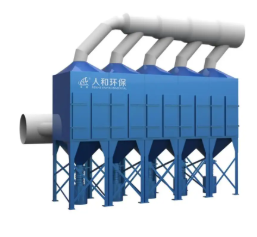
Aer in ventus sine fundo movetur e spatio capitis silae sursum per medium filtrans et foras ad atmosphaeram aut ad ductum posticum. Pulvis capitur in parte sordida medii. Impulsus aeris compressi flexit medium, crusta pulvis solvitur, et gravitas cetera perficit. Nullus est convexus conductus, nullum vas, nullum opus manuale evacuandi. Brevis iste cursus momenti est pro tribus causis. Amissio producti minuitur, quia pulvis captus ad inventarium redit. Labor munditiae minuitur, quia nullum est vas collectionis evacuandi nec punctum transmutationis effundendi. Et vas manet clausum, quod expositionem durante purgatione ordinaria minuit. Compensatio est ut ventus verticaliter montetur, cum spatio libero sufficienti sub medio filtrante, ut pulvis liberatus cadat sine ictu in limine aut sensore.
Direct return only works when the captured dust is the same material as the stored product and when the process accepts that material back. Good candidates include single-product silos, mineral fillers, plastic pellets with fines, and many dry bulk powders that are not hazardous or highly hygroscopic. The design becomes questionable in several cases:
Multi-product silos where cross contamination is a quality issue.
Toxic or sensitizing dusts where any return path needs containment review.
Sticky, damp, or caking powders that can bridge on the filter and fail to release.
Food or pharmaceutical streams where a return path needs a formal risk assessment.
A bottomless vent is not a universal answer. It is a simple answer for a narrow material path.
A mineral powder plant in southern China had a row of silos with conventional bin vents that discharged into small hoppers. The hoppers needed weekly manual emptying, and the powder was lost as waste. A retrofit replaced the hoppers with bottomless vent bodies. The pulse-cleaned dust now falls back into the silo. The manual emptying step disappeared, and the waste stream shrank. The retrofit also exposed a limitation. During the humid season, fine dust adhered to the filter pleats and the pressure drop climbed. The fix was insulation on the vent body and a shorter pulse interval. The direct return worked, but it needed moisture control, not just a missing bottom.
The table below compares a conventional vent with a bottomless design on the points that matter in procurement and maintenance.
| Res | Conventional bin vent | Bottomless bin vent | Check before selection |
|---|---|---|---|
| Collected dust | Drops into hopper | Falls back into silo | Same material accepted |
| Vaciado | Manual o válvula | Nullus | Acceso para inspección |
| Damnum Producti | Superior | Inferior | Registros por lote |
| Contaminatio transversa | Contenido | Posible si cambia el producto | Servicio de un solo producto |
| Periculum Humiditatis | Más bajo en la tolva | Más alto en el filtro | Aislamiento y purga |
| Periculum pulveris | Pulvis collectus tractatur | Pulvis ad vas redit | NFPA 652 DHA |
Haec tabula non est ordinatio. Est elenchi decisionum. Ventus sine fundo viam descendentem verticalem, medium filtrans quod crustam purgat, et systema pulsuum dimensionatum pro onere pulveris requirit. Manometrum non est optativum. Est primum indicium quod crusta non purgatur. Pro pulvere comburente, NFPA 652 analysisin periculi pulveris exigit, et via reditus in hac examinatione consideranda est.
Primum examen est identitas materiae. Si silo mutat producta, via reditus potest transferre particulas minutissimas e unius partis in alteram. Secundum examen est umor. Ventilus in frigido silo potest aquam condensare in filtro et pulverem libere fluentem in crustam parietalem convertere. Tertium examen est fluxus aeris. Ventilus debet aerem displacementem durante implendo sustinere sine pressione in silo aut vacuum durante effluendo trahendo. Quartum examen est accessus ad manutenentiam. Corpus sine fundo adhuc necessitat viam ad inspiciendum medium, mutandum elementa filtrorum, et verificandum valvulas pulsatorias. Quintum examen est emissiones. Reductio pulveris in silo non tollit necessitatem ad localem limitem particulatum satisfaciendum. Pro projectis quae fabricationem constantem, controllem componentium per partem, et catenam suppeditationis quae interfacies silorum aequare possit requirunt, basis productiva Renhe et processus qualitatis documenta et partem distributionis operis sustinere possunt.
 Nuntii Calidi
2026-11-13
2026-11-13
2026-11-13
2026-11-13
2026-11-13
2026-11-12
Renhe in aerem sparguntur cartridge, gas turbines aeris sparguntur, Pleated Filter Media, pulvis industrialis, Nostra producta principalia in Jiangsu Provinciae, in Wuxi urbe trademark celeberrimis notis, CE certificatione.
NO. 31 Xingyuan Road, Jiefang Industrial Park, Gushan Town, Jiangyin City, Jiangsu Province, China (214414)
Copyright © 2024 Jiangsu Renhe Environmental Equipments Co., Ltd POLITICA PRIVATATIS
 EN