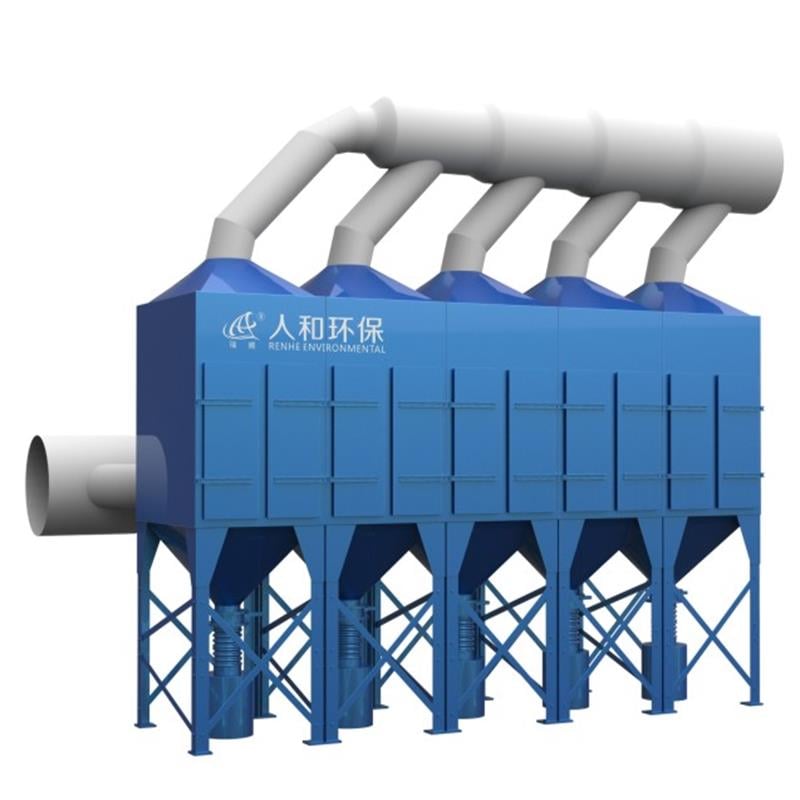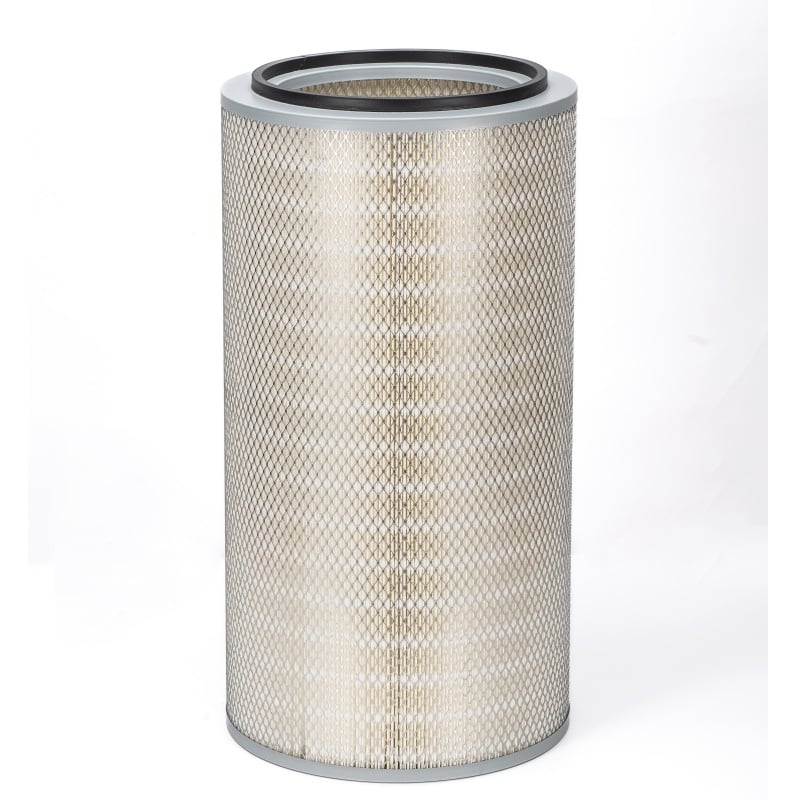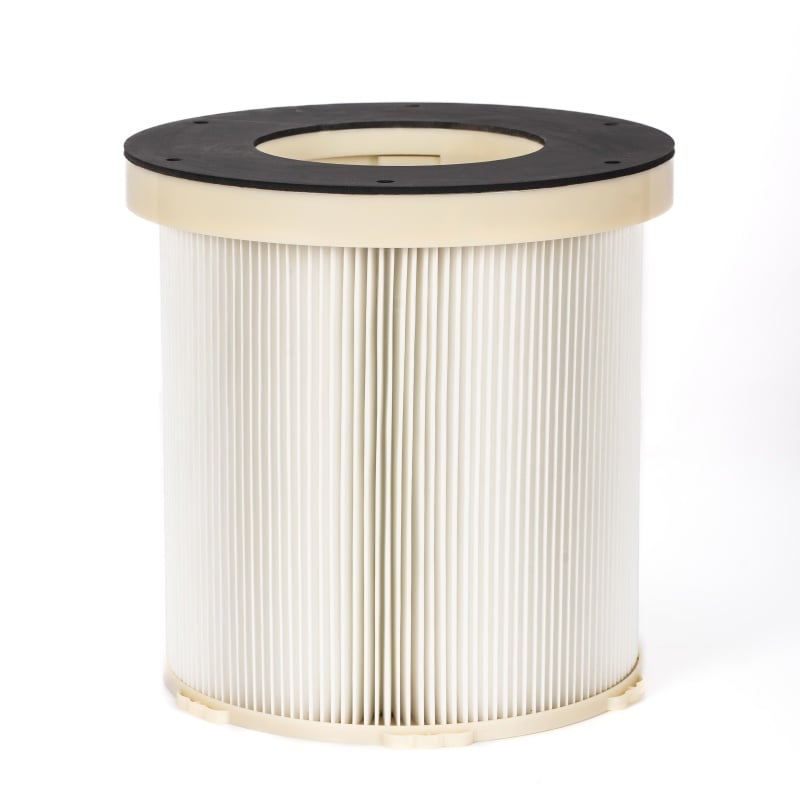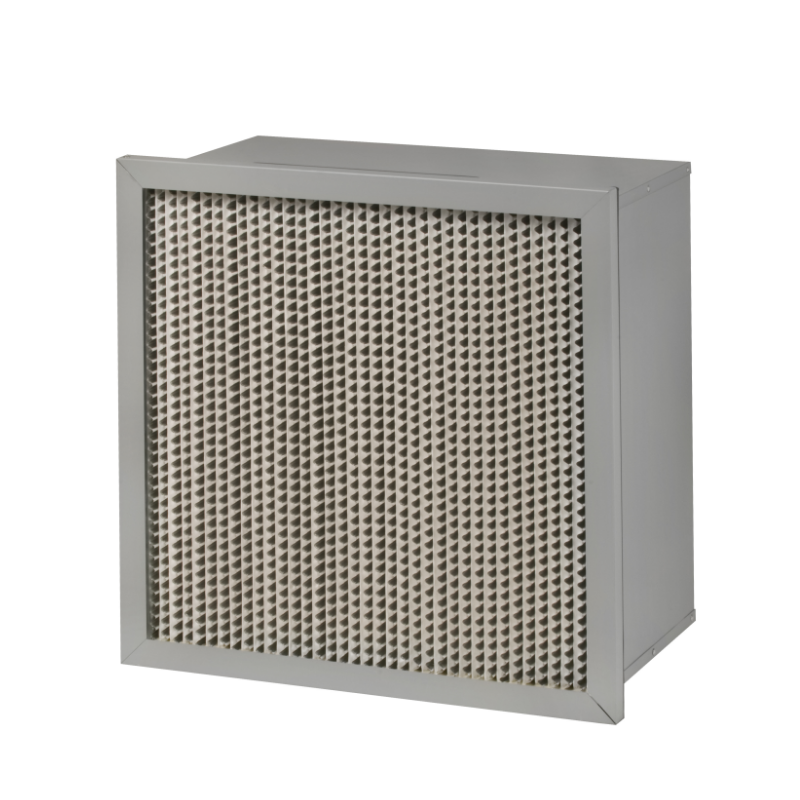
Temperature is the quiet constraint in many dust collection projects. A baghouse is often selected for high airflow and heavy dust loads, then discovered to be the wrong choice once the true gas temperature is measured at the inlet. Above 200 degrees Celsius, ordinary textiles lose strength, shrink, or become brittle, and the failure is rarely sudden enough to be caught by a visual check. The buyer's first task is therefore to measure operating and excursion temperatures rather than relying on an average. Baghouse filter media must be chosen against the worst credible condition, not the comfortable one. Once the temperature envelope is written down, the range of suitable options becomes much clearer, and the supplier conversation moves from adjectives to data sheets. That shift saves both time and commissioning surprises.
Baghouse operating temperature is determined by the gas, not by the fan or the housing. Furnace off-gases, dryer exhaust, and hot process ventilation can all arrive well above ambient, and the temperature at the bag may differ from the reading in the duct. A practical specification states three figures: normal continuous temperature, occasional peak, and the duration of that peak. Each family of baghouse filter media has its own continuous and short-term limits published by the manufacturer, and those limits should be reviewed against your three figures. Baghouse operating temperature also interacts with moisture: if the stream cools through the dew point inside the collector, condensation can blind the fabric regardless of its heat rating. Getting this right is a selection exercise, not a guess.
Filter media options for a hot stream usually fall into a few engineering families, separated by fibre chemistry and by the treatment applied to the surface. Woven fabrics offer mechanical strength; needlefelts provide depth filtration; and a surface membrane can change how the dust cake releases during cleaning. High temperature filter bags are selected from the families whose continuous limit sits above your measured figure with a sensible margin. Filter media options should also be judged on dust characteristics: sharp particles abrade, fine particles penetrate, and sticky particles resist release. A baghouse is only as good as the match between its media and its dust. Ask the supplier to explain why a particular option was recommended and request the relevant test document rather than a verbal assurance.
Heat changes how a filter behaves, not just whether it survives. High temperature filter bags experience different dust cake formation, and the pulse cleaning sequence must match the way that cake releases. If cleaning is too aggressive, the fabric surface is stressed; if too gentle, pressure drop climbs until the fan cannot deliver the required airflow. A PTFE coated surface is sometimes discussed here because a membrane can help release stubborn dust and lower operating pressure drop, but any coating should be evaluated for your temperature and gas chemistry rather than assumed suitable. The point is that high temperature filter bags are part of a system decision: media, cleaning, and airflow must be specified together. Review specifications with that relationship in mind.
A foundry running a lost-wax casting line in a temperature-controlled hall illustrates the combined problem. Sand from a drenching station created a housekeeping and exposure issue, and the plant wanted cleaned air returned to the workshop to reduce heating and cooling losses. The documented arrangement used a capture hood at the sand drop point, ducting to a filtration chamber, and a second-stage high-efficiency unit before the clean-air plenum, with reported capture above ninety-eight percent and discharge below one milligram per cubic metre. That project used a cartridge collector, but a buyer facing a hotter version of the same stream would compare a baghouse with high temperature filter bags. The transferable lesson is that temperature, dust abrasiveness, and air return belong in one specification, and that baghouse filter media should be chosen only after those facts are settled.
Write the specification around evidence. Record the measured normal temperature, the peak, and how long the peak lasts. State the dust type and whether it is combustible. Ask which baghouse filter media families fit that envelope and why others were excluded. Request published continuous limits and confirm how the supplier handles excursions. Review the cleaning method and the expected pressure drop baseline. Finally, check whether any coating is compatible with both temperature and gas chemistry. A baghouse specified this way is far less likely to surprise you during commissioning. Filter media options are not interchangeable, and a short supplier conversation that starts with your process is usually more valuable than a long catalogue.
Question one: Can a baghouse operate above 200 degrees Celsius at all?
Answer: Yes, provided the selected media has a published continuous limit above your measured operating temperature with margin. Confirm how short peaks are handled and request the data sheet; do not rely on a general statement about heat resistance.
Question two: What is the difference between baghouse filter media and a coating?
Answer: The media is the fabric body that does the filtration; a coating or membrane is a surface treatment that changes release behaviour. Both must suit your temperature and chemistry, so ask about them separately.
Question three: How do you know when high temperature filter bags need replacement?
Answer: Watch differential pressure that no longer recovers after cleaning, visible surface damage, and any change in emission quality. Use the supplier's baseline as a reference, then verify the trend with your own readings.
 Hot News
2026-11-21
2026-11-21
2026-11-21
2026-11-21
2026-11-21
2026-11-20
Renhe focuses on air filter cartridge, gas turbine air filter, Pleated Filter Media, industrial dust, Our main products have been recognized as high-tech products in Jiangsu Province, famous trademarks in Wuxi City, and CE certification.
NO. 31 Xingyuan Road, Jiefang Industrial Park, Gushan Town, Jiangyin City, Jiangsu Province, China (214414)
Copyright © 2024 Jiangsu Renhe Environmental Equipments Co., Ltd Privacy Policy
 EN