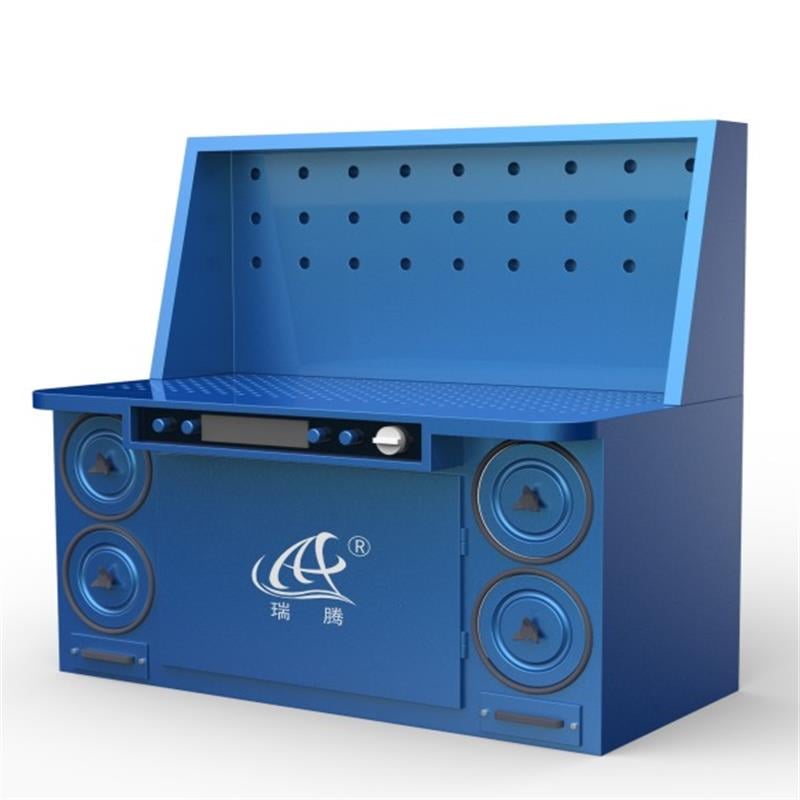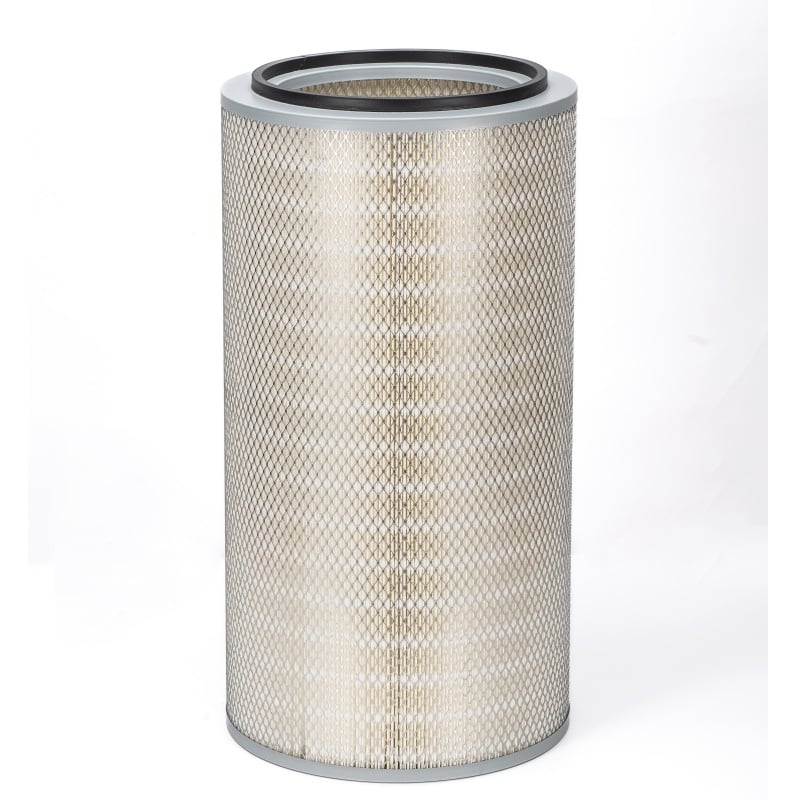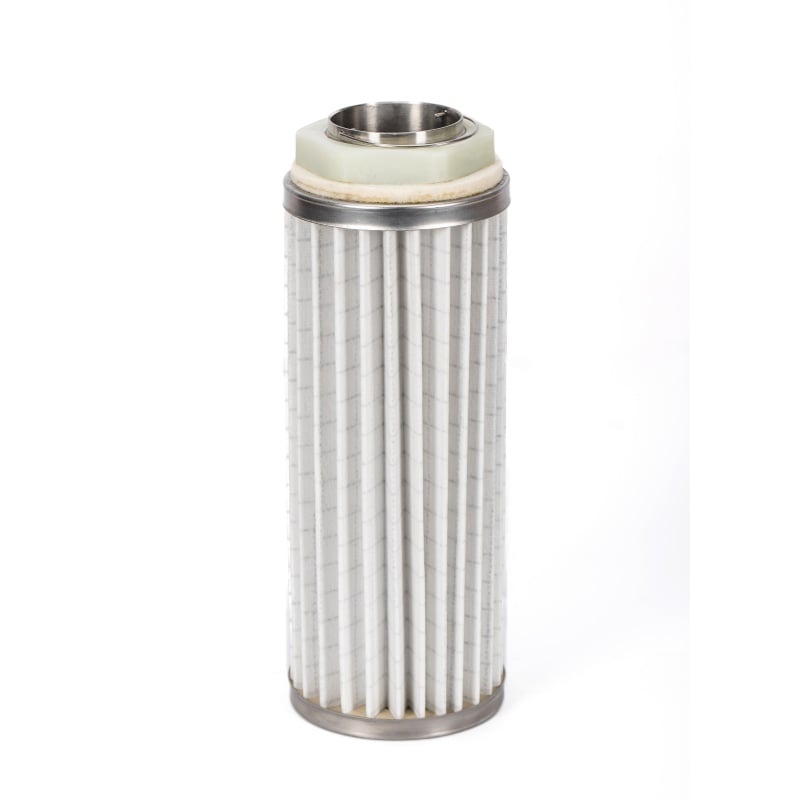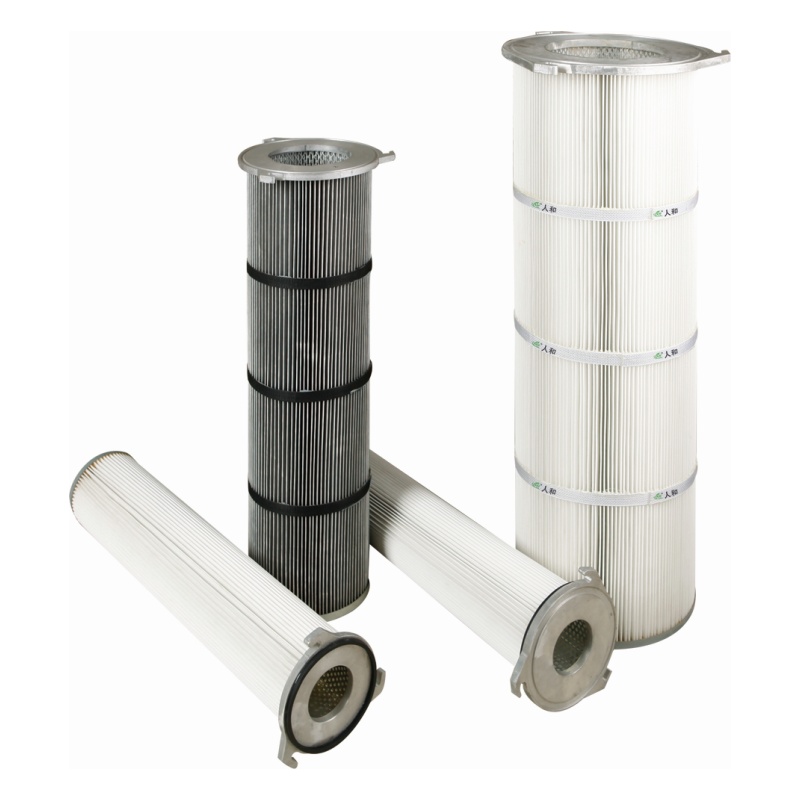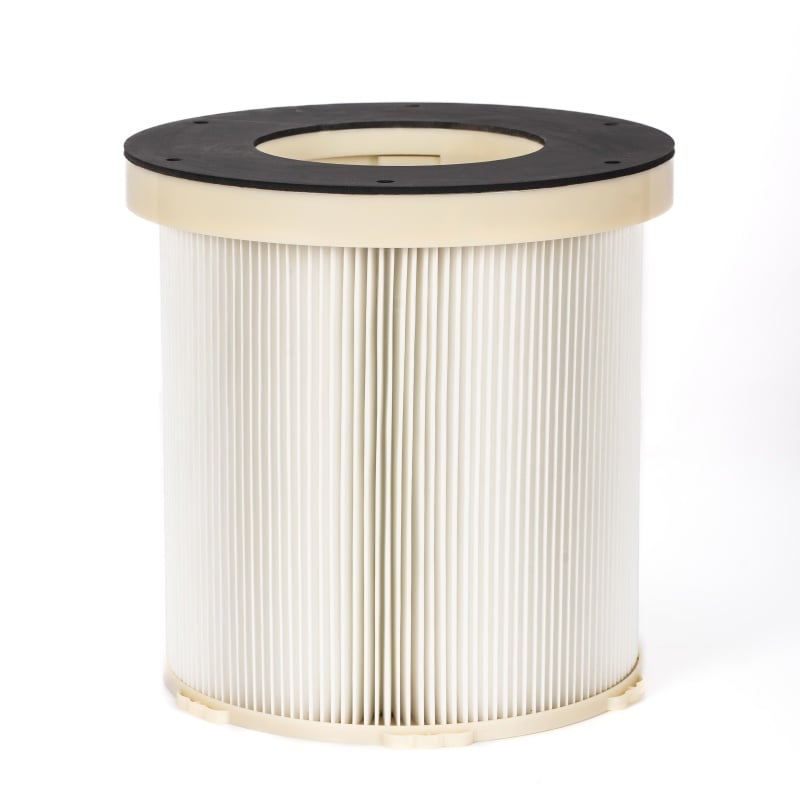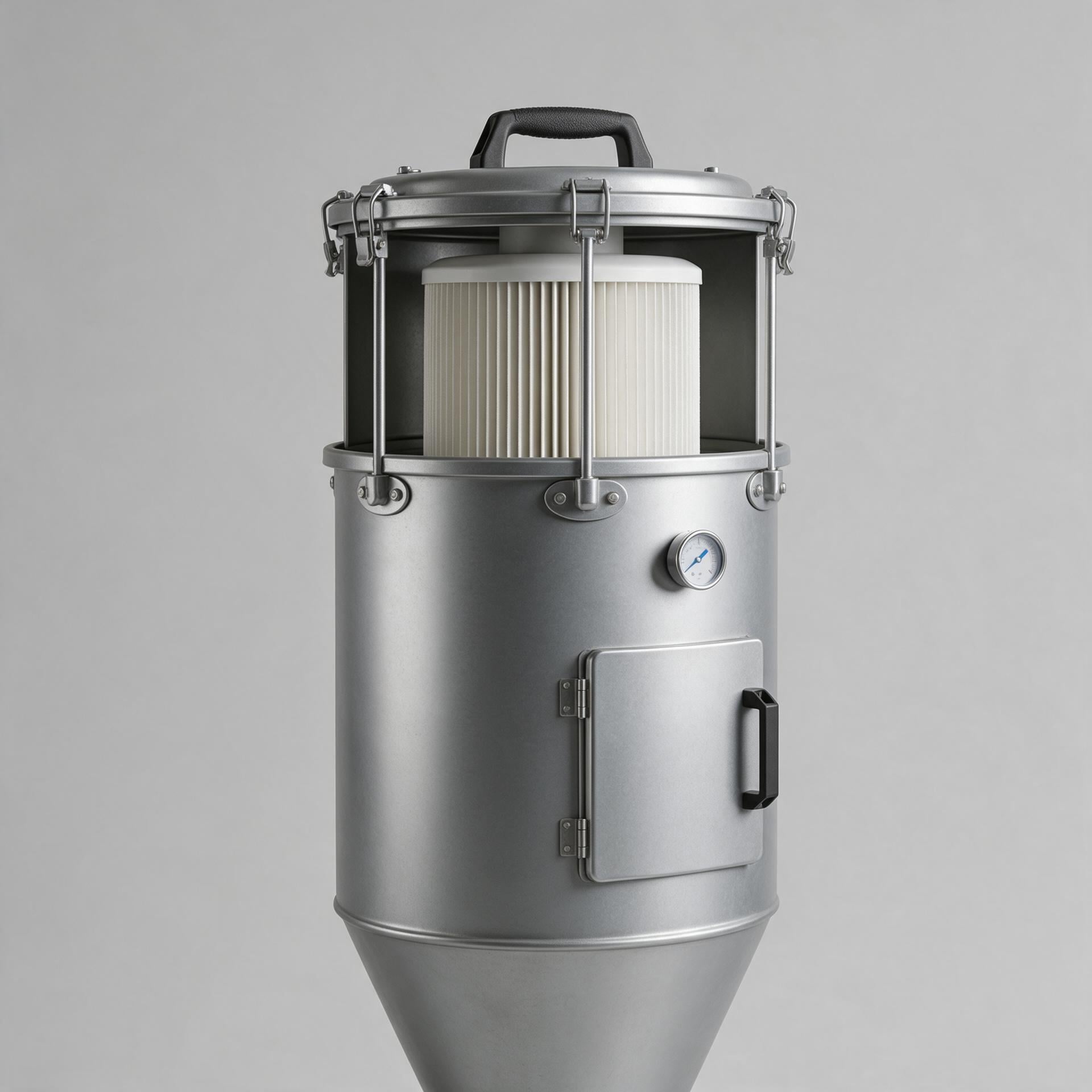
Two plants buy the same cartridge dust collector, install comparable ducting and start with the same fan. Six months later one meets its efficiency target while the other is calling the supplier. The difference is rarely the hardware; it is how the unit is operated. Proper operation of a cartridge dust collector is a set of repeatable habits around airflow, cleaning, sealing and pressure monitoring. Filtration efficiency is not a fixed number printed on a datasheet. It is the result of those habits working together every shift. This guide looks at the operating variables that decide whether a cartridge dust collector keeps performing long after commissioning.
Face velocity is the air speed passing through the filter media, and it sets the practical ceiling for capture. Push too much air through a given media area and fine particles are driven deeper into the pleats, where they are harder to release. That raises the differential pressure and quietly lowers filtration efficiency. Size the collector so total media area matches the process volume rather than the available floor space. A larger area lowers face velocity and gives the media a gentler working regime. When you review a cartridge dust collector proposal, request the media area and the design face velocity together. Face velocity also explains why a unit that handled coarse dust well can struggle with fine fume at the same airflow.
Pulse cleaning is the mechanism that keeps a cartridge dust collector from loading up, but more cleaning is not automatically better. Each pulse reverses airflow across the media and dislodges the dust cake. If pulses are too frequent or too strong, the media is stressed and fine particles can be driven into the fibres; if they are too rare, the cake thickens and the differential pressure climbs. The goal is a cleaning regime that restores pressure drop without damaging the media. A well set system triggers pulse cleaning from differential pressure rather than from a fixed clock, so the cartridge dust collector responds to real loading. A unit with clear pulse cleaning logic is easier to troubleshoot and holds filtration efficiency more steadily over time.
Even a perfectly sized cartridge dust collector will lose efficiency if air finds a path around the media. Bypass occurs at the seal between the end cap and the tube sheet, and it usually comes from a warped gasket, a loose clamp or a cartridge seated off centre. Because bypass lets unfiltered air enter the clean plenum, the symptom appears as a rise in measured emissions rather than a dramatic pressure change. During routine inspection, check that every gasket is compressed evenly and that the housing door closes squarely. A cartridge dust collector that is opened often for maintenance deserves a recorded seal check each time it is closed. Keep a simple log of differential pressure after restart; if the baseline drifts upward after a service visit, suspect a sealing problem before blaming the media. This habit protects filtration efficiency and extends element life.
Consider a multinational heavy-industry enterprise producing tower and crawler cranes. Its boom lines handle large carbon steel assemblies, and welding positions move constantly between MAG and argon arc processes. The plant needed a cartridge dust collector that could hold capture performance through shifting work positions. Engineers installed distributed blow-and-suction collection, with supply outlets about four metres high and extraction inlets about nine metres high, facing each other to form a controlled downward airflow over the weld zone. Operation was stabilized by monitoring differential pressure and adjusting pulse cleaning to the dust load instead of a timer. In this anonymous scenario the cartridge dust collector kept filtration efficiency consistent across the shift, and the maintenance team could trace any drift back to seal condition or face velocity changes. The lesson is that operating discipline, not only hardware, decides the result.
A short checklist turns these ideas into practice. First, confirm the design face velocity against the dust you actually handle, and revisit it when the process changes. Second, confirm that pulse cleaning follows differential pressure and that the control logic is documented. Third, record the clean filter baseline so a slow rise is visible. Fourth, inspect seals whenever the cartridge dust collector is opened. Fifth, review filtration efficiency trends monthly rather than waiting for a complaint. If you are evaluating a cartridge dust collector for a new line, ask the supplier to explain how each variable is managed. Request material guidance and review specifications against your own operating pattern before you commit.
Question one: What is the fastest way to tell that a cartridge dust collector is losing efficiency?
Answer: Watch the pressure trend after a cleaning cycle. If the baseline keeps rising and pulse cleaning no longer restores it, you may have a sealing bypass, a loading problem or media that needs replacement. A trend line is more informative than a single reading.
Question two: How often should the airflow calculation be revisited?
Answer: Recheck the calculation whenever process volume, ducting or dust type changes. A cartridge dust collector sized for coarse granules may be overloaded by fine fume at the same airflow. Review it before adding a new station to an existing line.
Question three: Does more cleaning improve filtration efficiency?
Answer: No. Cleaning should restore the dust cake, not strip the media aggressively. Excess pulsing can drive fine particles deeper and shorten element life. Set the sequence from differential pressure and confirm with measured efficiency over several weeks.
 Hot News
2026-11-21
2026-11-21
2026-11-21
2026-11-21
2026-11-21
2026-11-20
Renhe focuses on air filter cartridge, gas turbine air filter, Pleated Filter Media, industrial dust, Our main products have been recognized as high-tech products in Jiangsu Province, famous trademarks in Wuxi City, and CE certification.
NO. 31 Xingyuan Road, Jiefang Industrial Park, Gushan Town, Jiangyin City, Jiangsu Province, China (214414)
Copyright © 2024 Jiangsu Renhe Environmental Equipments Co., Ltd Privacy Policy
 EN