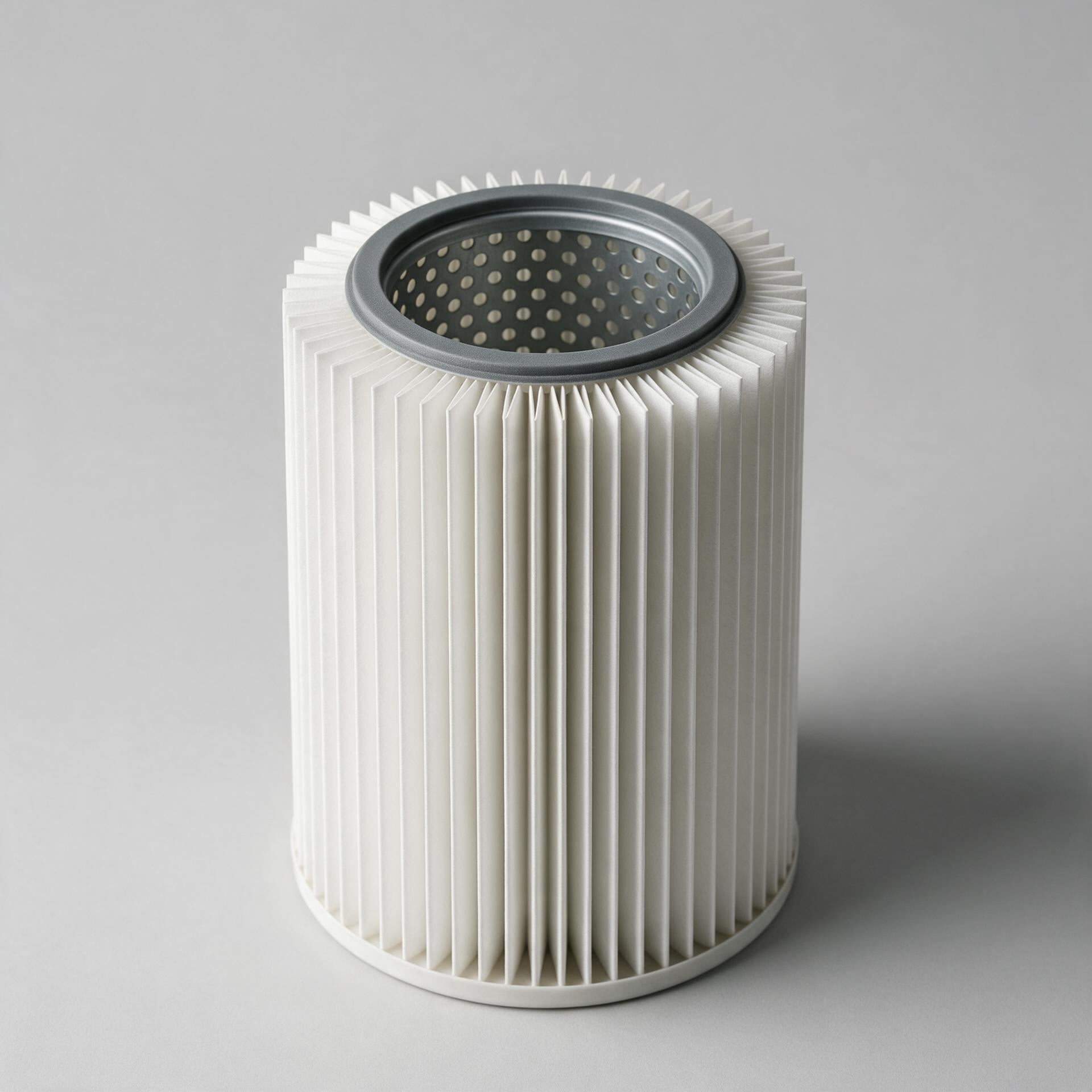
An early filter failure is usually blamed on the media. In many plants the real cause sits upstream, at the point where dirty air enters the dust collector hopper and turns toward the filter chamber. A pleated filter cartridge is a precision component; it is not designed to be blasted by a high-velocity inlet stream. Selecting a pleated filter cartridge for a dusty inlet therefore starts with the airflow path, not the catalogue. If the inlet throws abrasive dust directly at the element, the outer pleats lose their surface finish long before the media itself is loaded. The symptom is a pressure drop that behaves oddly and a cartridge that looks scuffed on one side. Reading that pattern correctly saves money, because it points to an installation problem rather than to a bad batch of filters.
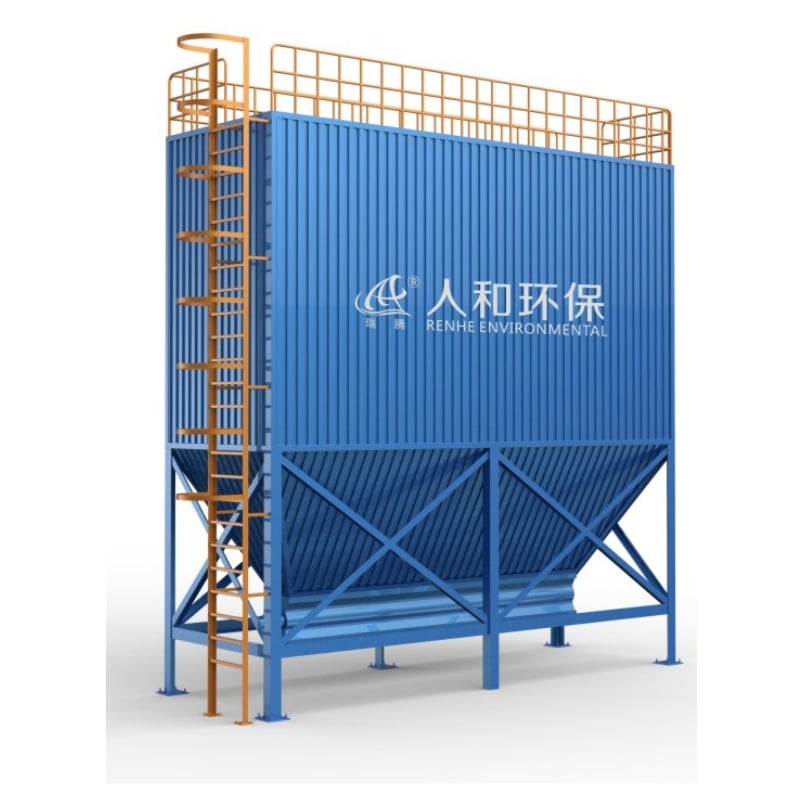
Hopper inlet air arrives with momentum. Dust entrained in that stream behaves like a mild abrasive, especially in foundry, sand, or mineral applications. When the flow strikes a cartridge directly, the impact concentrates on a narrow band of pleats; over time the fibres there wear away and pleat tips can fray. Cartridge abrasion of this kind differs from normal loading, which builds a dust cake over the whole surface. It is localised, directional, and usually visible on the side facing the inlet. A pleated filter cartridge exposed to that pattern will need replacement sooner than one operating in evenly distributed flow, whatever the media grade. The same pleated filter cartridge in a gentler position can last appreciably longer.
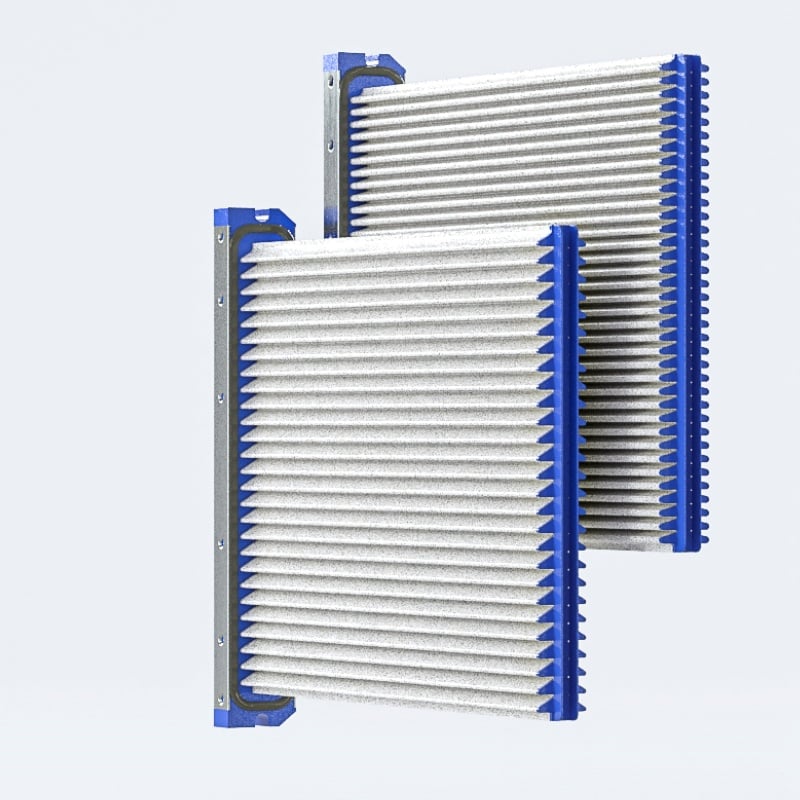
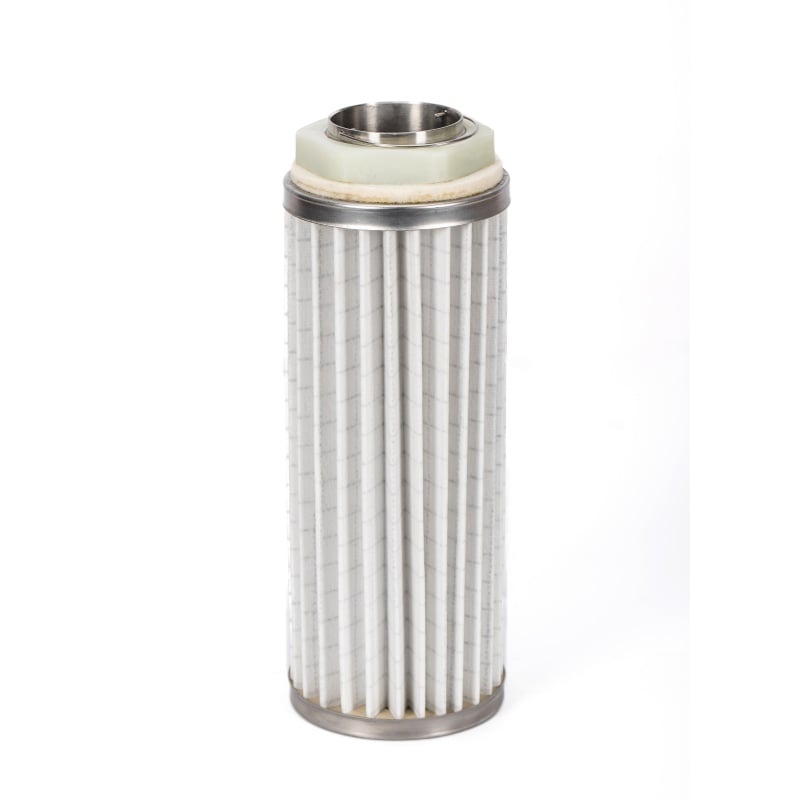
A shorter filter cartridge reduces the length of element that projects into the incoming stream. This is a geometry argument, not a claim that the filter is stronger. When the pleated filter cartridge ends higher above the hopper inlet, the dirtiest, fastest part of the airflow passes below or around it before slowing in the chamber. Less direct impingement means less cartridge abrasion on the outer pleats. A pleated filter cartridge installed this way also sees a more even dust distribution, which helps the cleaning pulse release a uniform cake. The trade-off is that shorter elements present less media area, so the design must compensate elsewhere, for example with more cartridges or a larger housing. That is a calculation the supplier should perform.
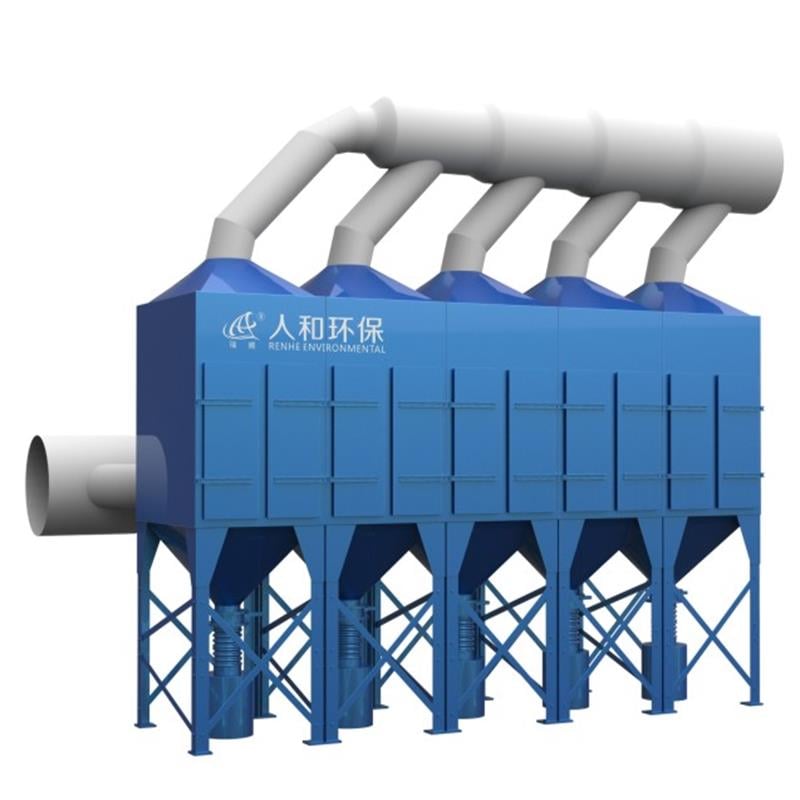
Geometry can be managed in more than one way. The RH/XLC-II horizontal cartridge filter, for example, uses an anti-abrasion baffle at the dirty air inlet so the incoming stream does not strike the cartridges directly; the supplier describes this as extending filter life. A fifteen-degree inclined drawer installation also changes how the element sits relative to the flow. Together with a shorter filter cartridge, such features address hopper inlet air at the source instead of asking the media to survive it. A pleated filter cartridge does not need to be sacrificial. Cartridge abrasion is therefore a system question: inlet velocity, baffle design, and cartridge length interact. Ask which provisions are included and how they apply to your dust, because a baffle that suits fine fume may not suit heavy sand.
Consider a foundry operating a lost-wax casting line in a temperature-controlled hall. Sand from a drenching station created dust that was both abrasive and continuous, and the plant wanted cleaned air returned to the workshop to reduce heating and cooling losses. The documented system used a capture hood at the sand drop point, ducting into a filtration chamber, a second-stage high-efficiency unit, and clean-air return, with reported capture above ninety-eight percent and discharge below one milligram per cubic metre. In a line like this, hopper inlet air carries sharp particles that scuff a pleated filter cartridge in their path. A buyer reviewing the design would compare cartridge length, inlet baffling, and the position of the inlet relative to the filters. The case shows why cartridge abrasion belongs in the layout, not in the replacement schedule.
Four questions make the specification practical. What is the dust abrasiveness, and is it sharp or fibrous? Where does the inlet stream enter the dust collector hopper, and what slows it before it reaches the filters? Is an anti-abrasion baffle fitted, and can it be inspected? How long is the proposed pleated filter cartridge, and how many are needed to deliver the required area? A shorter filter cartridge helps only when the surrounding geometry supports it; on its own it is not a cure. Compare options on those four points and request the airflow path drawing. A dust collector hopper handling abrasive dust deserves this attention. Request material guidance and review specifications before you order.
Question one: Does a shorter filter cartridge always last longer?
Answer: Not by itself. A pleated filter cartridge lasts longer when the inlet is positioned so the fastest air does not strike the pleats directly. If area is lost, add cartridges or enlarge the housing rather than accepting higher face velocity.
Question two: How can I tell cartridge abrasion from normal loading?
Answer: Normal loading builds an even dust cake across a pleated filter cartridge. Abrasion appears as localised scuffing on the side facing the inlet, often with frayed pleat tips and a pressure reading that does not recover cleanly after pulsing.
Question three: What does an anti-abrasion baffle actually do?
Answer: It is a plate at the dirty air inlet that changes the direction of the incoming stream so it does not hit the elements head-on. Confirm its position and condition during routine checks, and ask how it suits your dust.
 Hot News
2026-11-21
2026-11-21
2026-11-21
2026-11-21
2026-11-21
2026-11-20
Renhe focuses on air filter cartridge, gas turbine air filter, Pleated Filter Media, industrial dust, Our main products have been recognized as high-tech products in Jiangsu Province, famous trademarks in Wuxi City, and CE certification.
NO. 31 Xingyuan Road, Jiefang Industrial Park, Gushan Town, Jiangyin City, Jiangsu Province, China (214414)
Copyright © 2024 Jiangsu Renhe Environmental Equipments Co., Ltd Privacy Policy
 EN