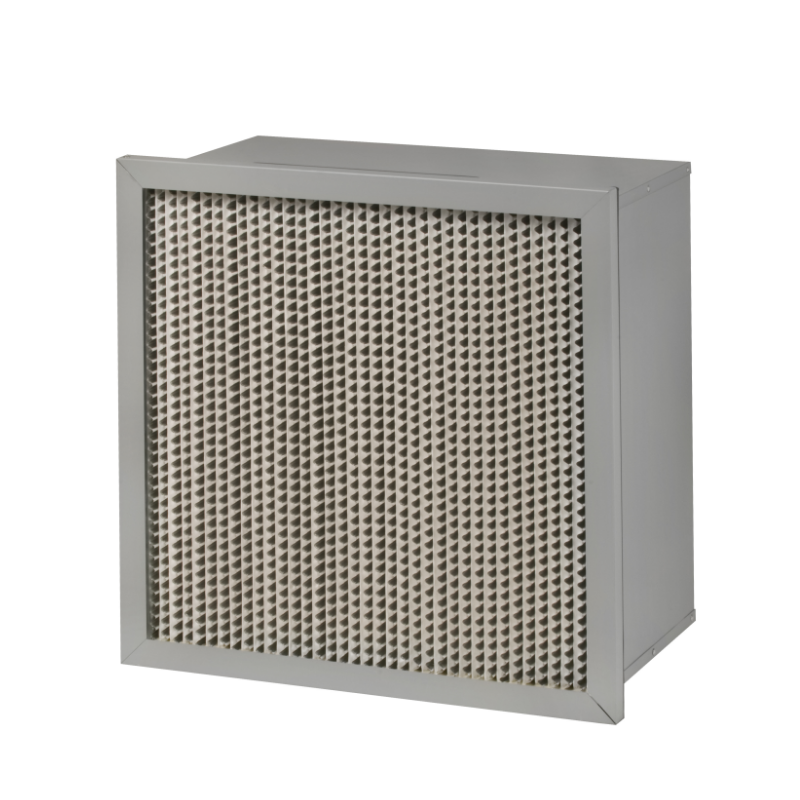
A reusable synthetic panel pre-filter looks simple, and that simplicity is exactly why crews cut corners. The panel is a coarse screen that catches lint, dust, and overspray before the finer filters see the load. Wash it badly and the media can stretch, the frame can bend, or the pleats can pack with soap residue. Dry it badly and moisture can carry into the next stage, where it feeds microbial growth or corrodes hardware. Reinstall it badly and air bypasses the panel entirely. The pre-filter is cheap compared with downstream filters, but the labor and downtime around it are not. A careful wash, dry, and reinstall routine protects the whole filter train and keeps pressure drop predictable.
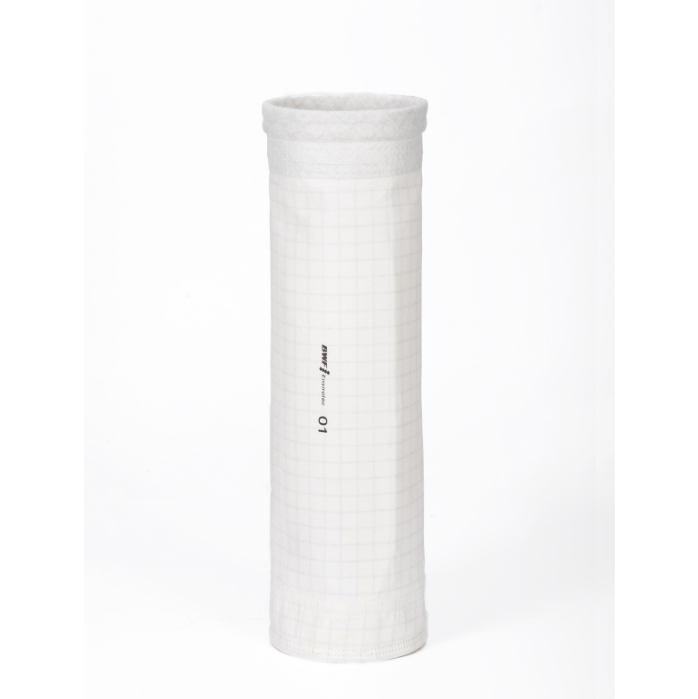
Start from the clean side and push debris back the way it came. A soft nozzle at low pressure is enough for most synthetic media. High pressure can drive dust deeper into the weave or tear the fibers. Use a mild, neutral detergent and dilute it per the label. Strong solvents can attack the synthetic fibers, and caustic cleaners can leave residue that attracts moisture. Soak the panel for a short time, then rinse until the runoff runs clear. Do not scrub with a stiff brush. A soft brush or a gentle stream is enough. Check the frame edges and gasket grooves, since dust collects there and rinses out last.
| Cleaning variable | Field target | Risk when missed |
|---|---|---|
| Water pressure | Low, soft nozzle | Media damage, driven-in dust |
| Detergent | Mild, neutral, diluted | Fiber attack, sticky residue |
| Soak time | Short, per label | Deep dust not released |
| Rinse | Until runoff is clear | Soap residue attracts moisture |
| Brush | Soft only | Torn fibers, stretched weave |
| Frame check | Clean grooves and edges | Poor seal on reinstall |
The table is a practical guide, not a fixed recipe. Media construction and the site's dust load set the final numbers. ISO 16890 treats pre-filters as part of the filter chain, so cleaning choices should protect the downstream stages, not just the panel itself.
Wet media is a problem that hides. A panel that feels dry on the face can hold water in the frame channel, the gasket groove, or the pleat roots. Stand the panel on edge in a ventilated area and let air move through both faces. Avoid direct sunlight for long periods, since some synthetic fibers degrade under UV. Do not stack wet panels, and do not speed drying with a heat gun. Heat can warp the frame and change the panel's fit. A moisture meter or a simple touch check at the frame and pleat roots tells more than a look at the surface. In humid weather, allow extra time. A panel that goes back damp can raise pressure drop, feed microbial growth, and leave a musty odor in the airstream.
Before the panel goes back, inspect the frame for cracks, bent corners, and worn gasket. A gasket that has flattened will not seal, and a bent frame will not sit square. Confirm the airflow arrow points the right way. Most panels are directional, and a reversed panel can lose efficiency and shed dust downstream. Slide the panel into the track evenly, then check the seal by hand along all four edges. If the housing uses clips or latches, tighten them in a cross pattern so the panel seats flat. Run a quick check of the differential pressure after restart. A reading that is higher than the clean baseline can mean a damp panel, a folded gasket, or a panel that is not seated.
At a food processing plant in the South, maintenance crews washed synthetic pre-filters on a Friday and reinstalled them on Monday. The panels felt dry, but the frame grooves still held water. Within a week, pressure drop climbed and a musty smell showed up in one air handler. The root cause was not the media. Water in the frame channel had fed microbial growth, and one gasket had swelled and folded. The crew changed the drying routine, standing panels on edge with a fan for a full shift, and added a frame groove check before reinstall. Pressure drop returned to baseline. The case is a reminder that the pre-filter is a system part, and the drying step is part of the system.
Cleaning too often wastes labor and wears the media. Cleaning too rarely lets dust bridge across the panel and push load onto the next filter. A differential pressure gauge is the simplest guide. Note the clean baseline after a fresh install, then set a change or wash point based on the site's dust load. In heavy lint or overspray areas, a shorter interval makes sense. In light dust, a longer one does. Keep a simple log of wash dates, drying time, and pressure drop. That log shows whether the routine is working or whether the panel is near the end of its useful life. When the frame is cracked or the media is stretched, cleaning stops paying off, and replacement is the honest choice.
Renhe supports this kind of maintenance work through manufacturing control and incoming material checks that keep panel dimensions, frame fit, and gasket details consistent from lot to lot. A reusable synthetic panel pre-filter still depends on the crew's wash and dry habits, but consistent parts make the routine easier to repeat.
 Hot News
2026-11-13
2026-11-13
2026-11-13
2026-11-13
2026-11-13
2026-11-12
Renhe focuses on air filter cartridge, gas turbine air filter, Pleated Filter Media, industrial dust, Our main products have been recognized as high-tech products in Jiangsu Province, famous trademarks in Wuxi City, and CE certification.
NO. 31 Xingyuan Road, Jiefang Industrial Park, Gushan Town, Jiangyin City, Jiangsu Province, China (214414)
Copyright © 2024 Jiangsu Renhe Environmental Equipments Co., Ltd Privacy Policy
 EN