When a power plant plans an efficiency project, the conversation turns to turbine internals, blade paths and controls. The inlet system is often left in place because it looks like a consumable rather than a performance asset. That is worth correcting early. The gas turbine inlet air filter sits where ambient air enters the machine, and its condition influences everything downstream. Upgrading it is a contained change with consequences for output and heat rate. This article explains how to think about a filter upgrade in terms of system behaviour, using general engineering principles. No thermal efficiency percentage is promised, because the result depends on the site, the climate and the existing configuration.
A gas turbine compresses far more air than its own fuel mass, so air quality matters continuously. Dust, salt, pollen and other contaminants can erode compressor blades or deposit on hot-path surfaces. A gas turbine inlet air filter removes those contaminants before they reach the machine. The filtration task is not only about protection; it is also about delivering air with predictable resistance. When a gas turbine inlet air filter loads unevenly, the inlet flow field becomes distorted and the compressor works harder than the design assumed. Buyers reviewing an upgrade should ask about capture and flow uniformity together. A filter upgrade that improves capture but creates an unbalanced inlet has only moved the problem elsewhere.
Pressure drop across the inlet is the most direct connection between filtration and performance. As dust accumulates, resistance rises and the compressor must work harder to draw the same mass flow. That can reduce power output or increase fuel use, depending on how the unit is controlled. The relationship is why plants monitor pressure drop rather than waiting for a visual inspection. For a gas turbine inlet air filter, stable resistance keeps the machine closer to its design point for longer. During an upgrade review, request the initial and final resistance values and the assumptions behind them. Avoid a single number quoted without a dust load or a change-out interval. Stable pressure drop protects power output across the operating cycle.
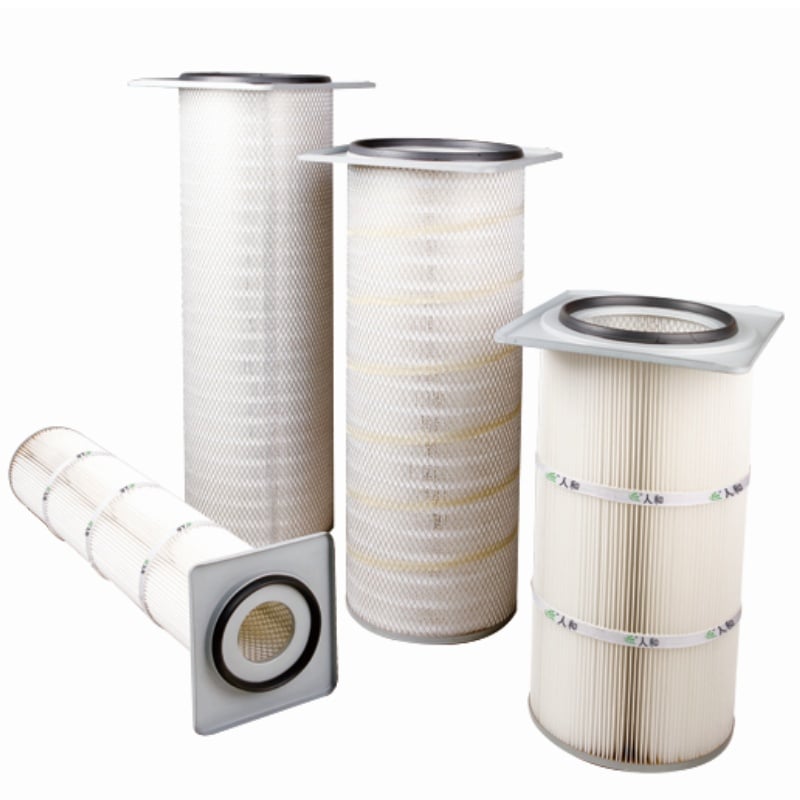
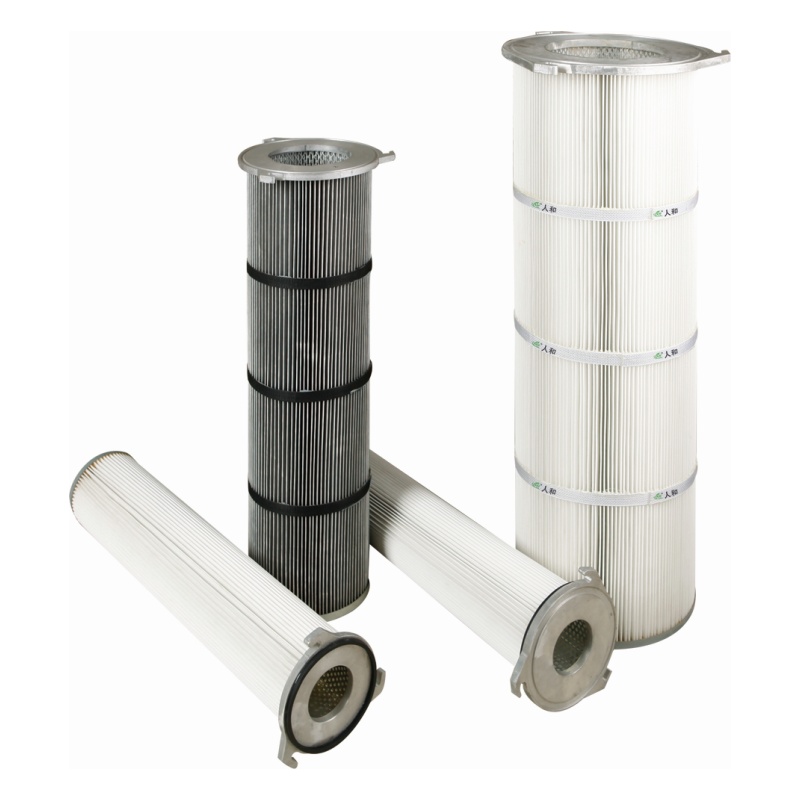
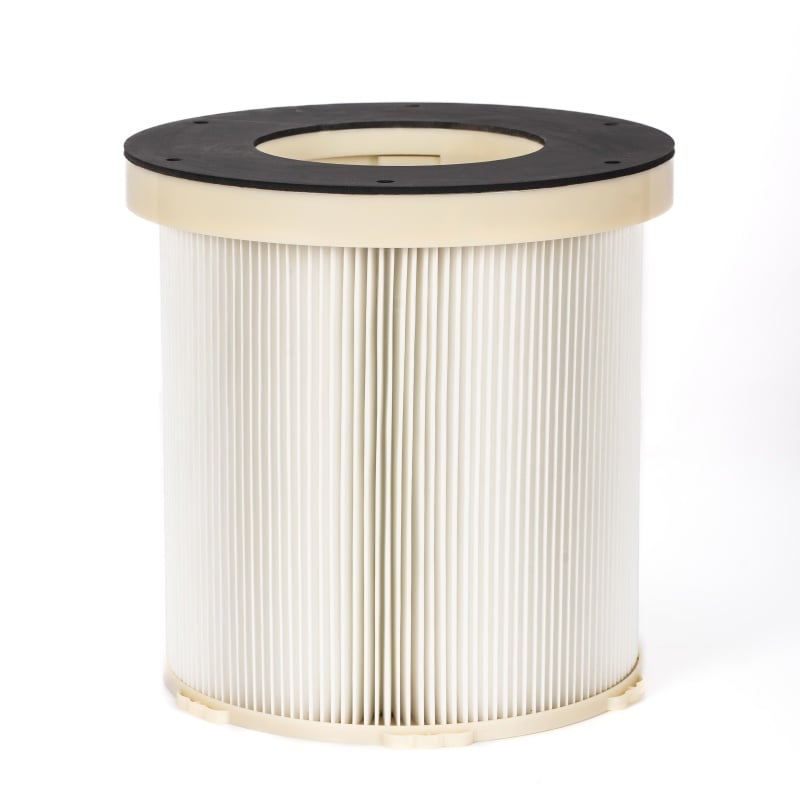
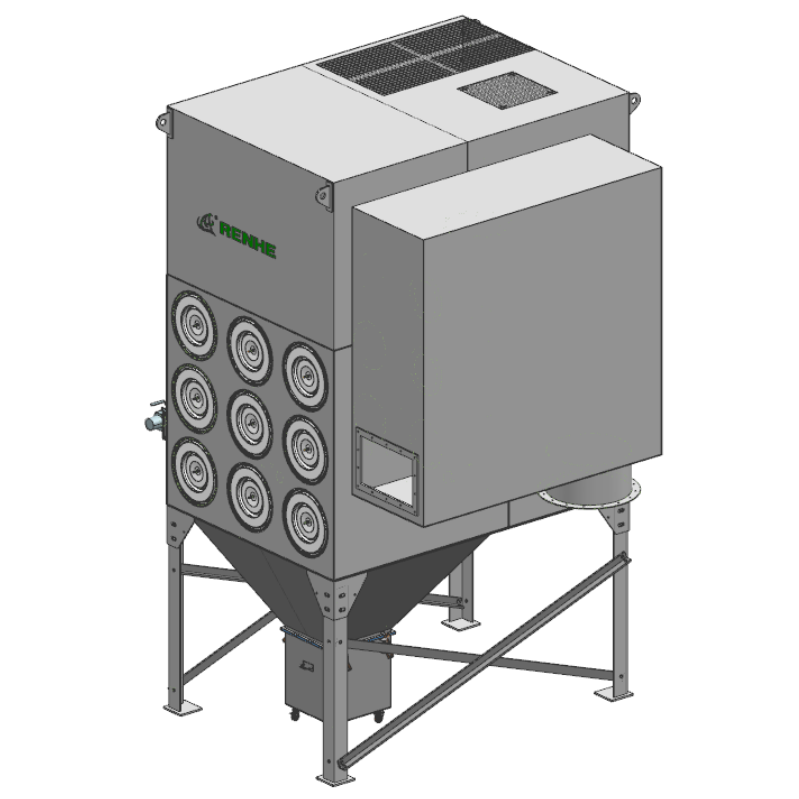
What does a filter upgrade include in practice? It can mean a higher-capacity element, a revised stage arrangement, better sealing between element and frame, or a self-cleaning intake where ambient loading is heavy. Renhe Filter supplies gas turbine air filter cartridges and self-cleaning intake filters for compressor inlets, so the scope can be discussed as a system rather than a single part. A useful filter upgrade starts with measurements: current resistance trend, change-out frequency and observed contamination downstream. Without that baseline, any improvement claim is hard to verify. The gas turbine inlet air filter should be chosen against the measured problem, not a generic catalogue ranking.
Thermal efficiency is a system outcome, so it should be discussed carefully. Cleaner inlet air with lower, more stable resistance reduces the penalties that accumulate through compression. That can help the unit hold its expected thermal efficiency for more of the operating interval. But the effect is bounded: a gas turbine inlet air filter cannot correct a worn compressor or a poorly tuned combustor. Nor should a supplier claim a specific efficiency gain without a measured baseline. The honest framing is that a filter upgrade protects the conditions under which thermal efficiency was specified. Buyers should ask how the plant will verify the result, using pressure drop and power output trending as practical proxies.
Consider a practical sourcing scenario: a plant scheduling a planned outage wanted intake work inside the same window. The review began with the existing gas turbine inlet air filter resistance trend and the number of elements changed the previous year. Mid-life loading was uneven, and inspection found dust on the clean side of the housing, hinting at a seal weakness. The proposed filter upgrade combined better sealing, an element with higher dust-holding capacity, and a monitoring point that made pressure drop visible to operators. The expected benefit was expressed as steadier power output through the run, not a promised thermal efficiency figure. A knowledge-base case from a controlled-environment foundry, where cleaned air was returned to the hall to avoid heating and cooling losses, reinforces the same point: air-path choices carry energy consequences.
Record the baseline resistance and change frequency before approving a filter upgrade. Ask how the gas turbine inlet air filter seals to the frame and how flow uniformity is checked. Ask what evidence supports the claimed pressure drop behaviour. Ask how power output and thermal efficiency will be verified after the outage. Then request material guidance and review specifications before you commit.
Question one: Can an inlet filter upgrade raise thermal efficiency?
Answer: It can protect the conditions under which thermal efficiency was specified, but it cannot repair unrelated mechanical losses. Treat a gas turbine inlet air filter change as one part of a measured performance plan.
Question two: How often should inlet resistance be reviewed?
Answer: Track pressure drop continuously and review the trend at each outage. On a gas turbine inlet air filter, an upward shift in the clean baseline is more informative than a single high reading.
Question three: Is a self-cleaning intake part of every answer?
Answer: Not necessarily. A filter upgrade should follow the measured problem. If ambient loading is modest, better sealing and a suitable gas turbine inlet air filter may be enough to stabilise power output.
 Hot News
2026-11-21
2026-11-21
2026-11-21
2026-11-21
2026-11-21
2026-11-20
Renhe focuses on air filter cartridge, gas turbine air filter, Pleated Filter Media, industrial dust, Our main products have been recognized as high-tech products in Jiangsu Province, famous trademarks in Wuxi City, and CE certification.
NO. 31 Xingyuan Road, Jiefang Industrial Park, Gushan Town, Jiangyin City, Jiangsu Province, China (214414)
Copyright © 2024 Jiangsu Renhe Environmental Equipments Co., Ltd Privacy Policy
 EN