In many existing factories the available height is already claimed by cranes, ductwork, cable trays and the building itself. When a new dust collector is added, the question is rarely how much floor it uses but whether it fits beneath the overhead obstruction. A pleated cartridge dust collector is often chosen for this reason, because its elements can be arranged horizontally rather than standing tall. Buyers who plan only around floor space can discover late that the unit cannot be erected without structural work. Thinking about vertical clearance early avoids that expensive surprise.
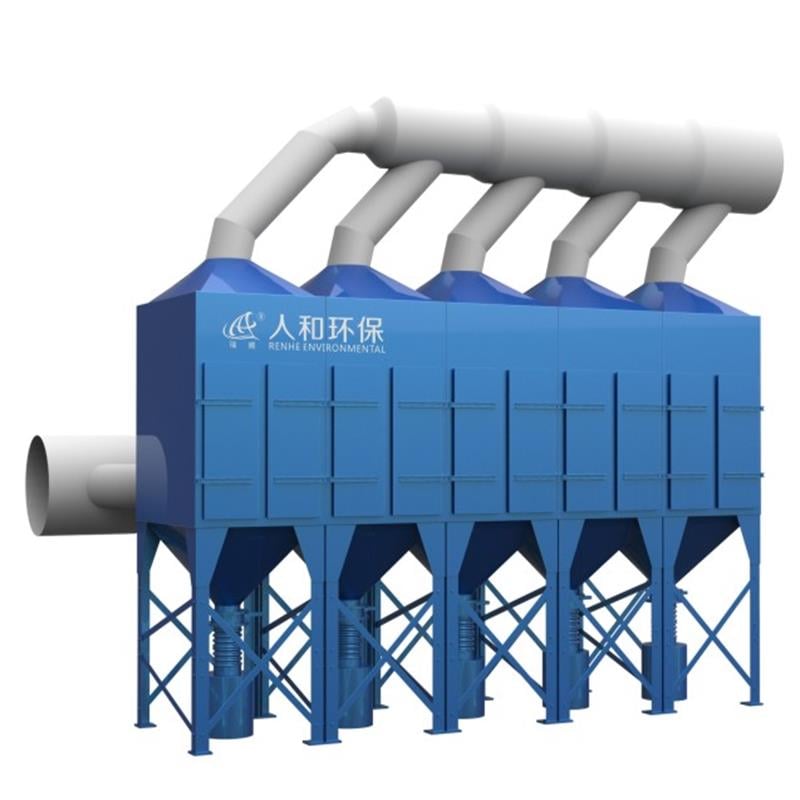
Traditional baghouses need considerable height because the bags hang vertically and must be lifted out for maintenance. A tall unit needs room above it for the bags to be withdrawn, in addition to the height of the vessel itself. In a plant with a low roof, that requirement can rule out the design entirely. A pleated cartridge dust collector uses short elements designed for horizontal installation, so the body is much lower and does not need the same overhead withdrawal space. The headroom saved is not cosmetic; it is the difference between fitting equipment in an existing bay and rebuilding the bay.
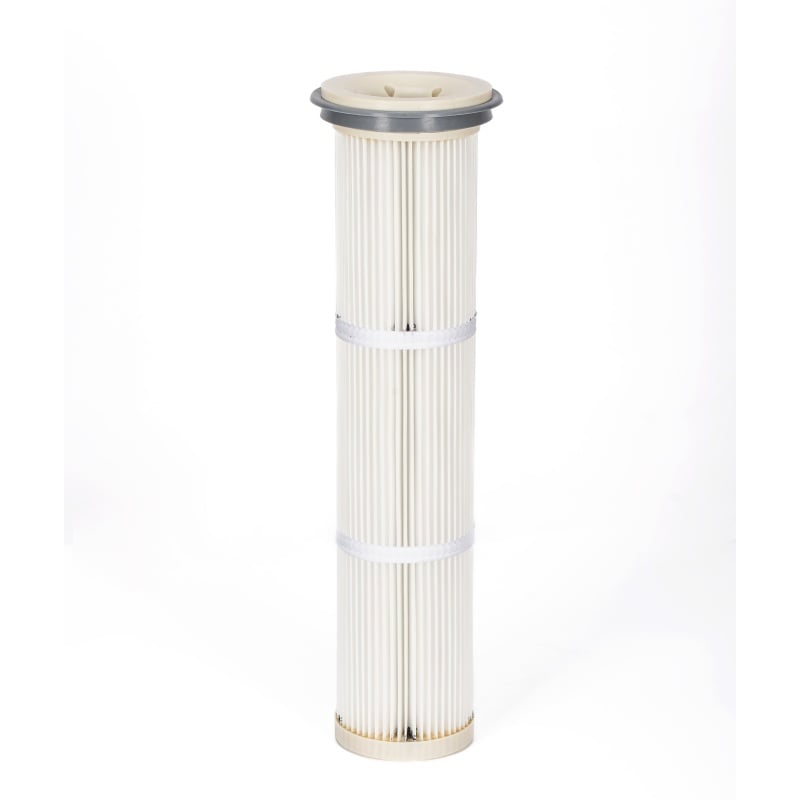
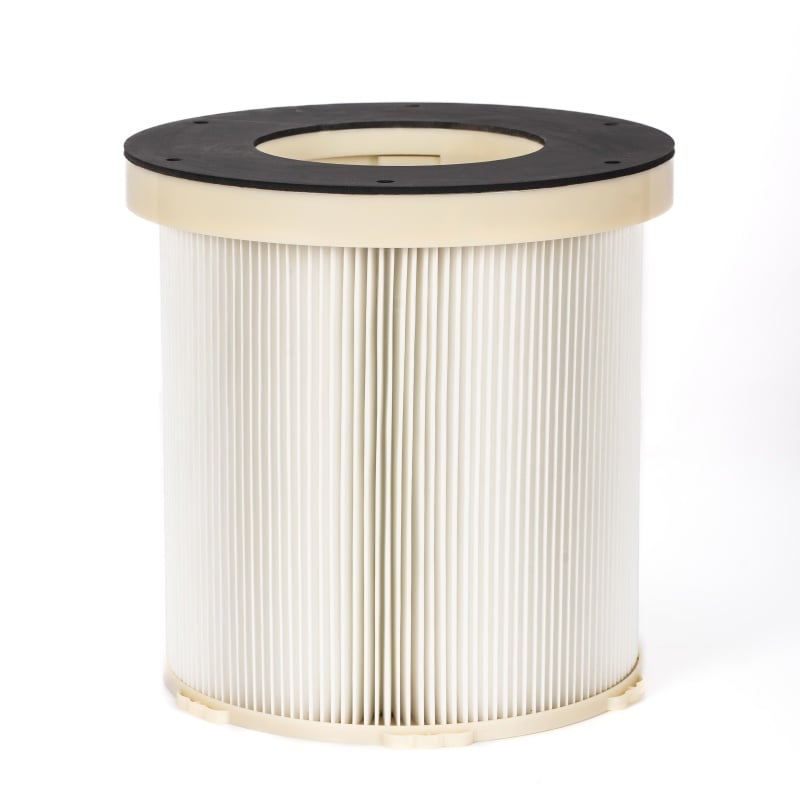
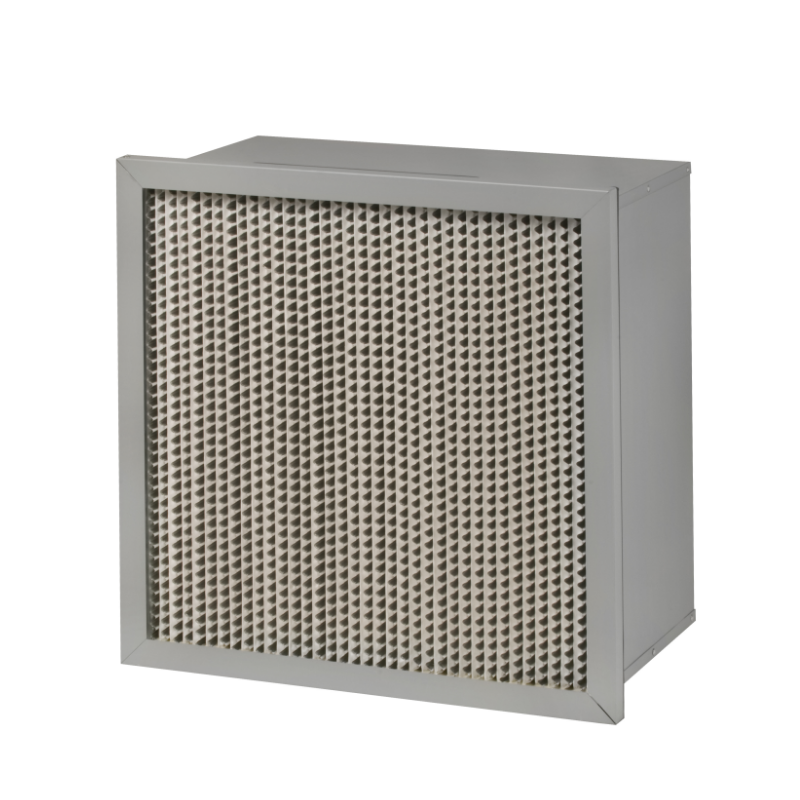
The pleated filter element is compact in the direction that normally consumes vertical space. Because the media is folded, a large filtering area is achieved within a short cartridge, and several such cartridges can be mounted on their side. A pleated cartridge dust collector built for horizontal installation presents a low overall profile. The airflow path is arranged so that dirty air reaches the outside of the elements and clean air exits through the end caps. The result is a collector that uses less vertical envelope while still providing the area the duty needs. Confirm the actual installed height with the supplier instead of assuming a catalogue drawing applies.
Height is only part of the installation question. In a low-ceiling plant the team must also confirm that there is enough room to remove and replace an element, that access doors open within the available space, and that lifting points can be reached safely. Horizontal installation also changes service access. A pleated cartridge dust collector with drawer or side access can be serviced without the clearance that a top-removal bag would need. Check the service envelope, not only the operating envelope. Request material guidance and compare product options against the real dimensions of the site, including overhead obstructions.
Vertical clearance matters twice in a low ceiling plant: once when the collector is erected and again each time a filter is changed. A design that fits on installation day but cannot be opened for service wastes space in a different way. Before committing, sketch the movement path of a cartridge from its seat to the door and out of the bay. Confirm that the pleated cartridge dust collector leaves enough headroom for that path, including the reach of any lifting device. Where access is tight, a pleated cartridge dust collector with side extraction is usually easier to live with than one needing overhead space. Measure the vertical clearance at the actual mounting point rather than relying on a nominal building height, since beams and services often reduce it.
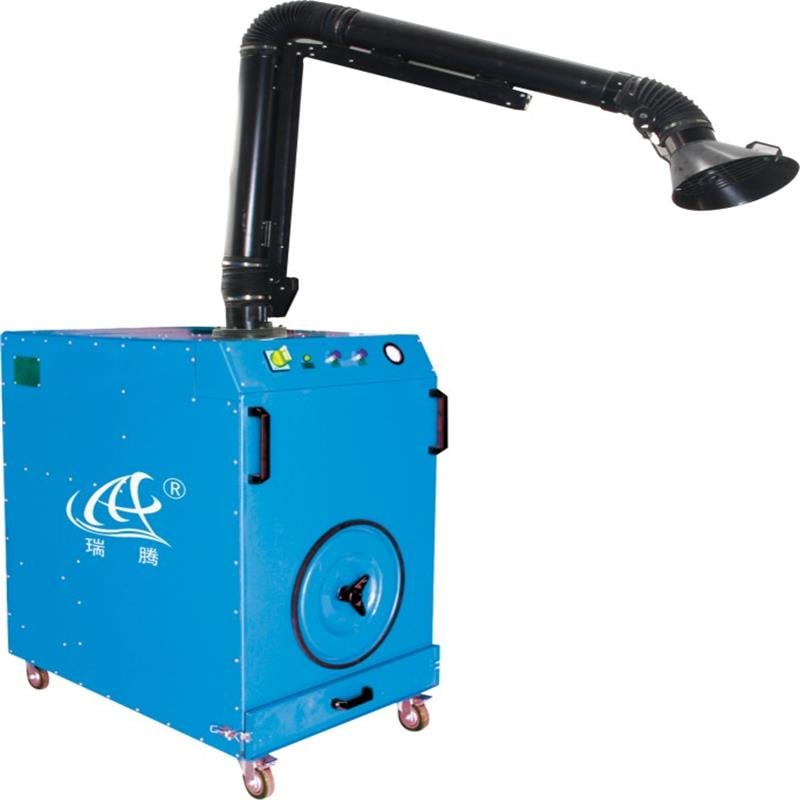
An application example comes from a multinational heavy industry enterprise producing tower and crawler cranes, where a welding fume control project had to be added inside an existing production bay. The height available above the work area was limited, so a tall vertical vessel was impractical. The plant adopted a distributed collection arrangement that kept the filtration equipment low and near the work zone, returning air after cleaning. A pleated cartridge dust collector suited the constraint because its horizontal elements lowered the headroom required. A supplier such as Jiangsu Renhe could document the installed dimensions. Review specifications before committing.
Saving headroom should not be pursued at the expense of serviceability. A unit squeezed into a tight space is difficult to maintain, and maintenance that is difficult is often postponed. The right design keeps the pleated cartridge dust collector low enough to fit while leaving clear access to the elements, the pulse system and the discharge point. Operators typically verify that a cartridge can be withdrawn and replaced using the tools available on site. Where headroom is extremely limited, discuss the removal direction with the supplier early. A modest increase in planned clearance can prevent years of awkward change-outs.
Question one: Why does a pleated cartridge dust collector need less headroom than a baghouse?
Answer: Its elements are short and designed for horizontal installation, so the vessel is low and does not need the overhead space required to withdraw long vertical bags. That lowers the installation height.
Question two: Does lower headroom make maintenance harder?
Answer: Not necessarily. With side or drawer access, a pleated cartridge dust collector can be serviced without the clearance a top-removal design needs. Check the service envelope before choosing the layout.
Question three: What should I measure before specifying a collector for a low ceiling?
Answer: Measure the clear height, the overhead obstructions and the space needed to remove an element. Confirm installed dimensions with the supplier so the pleated cartridge dust collector fits both in operation and during service.
 Hot News
2026-11-22
2026-11-22
2026-11-22
2026-11-22
2026-11-22
2026-11-22
Renhe focuses on air filter cartridge, gas turbine air filter, Pleated Filter Media, industrial dust, Our main products have been recognized as high-tech products in Jiangsu Province, famous trademarks in Wuxi City, and CE certification.
NO. 31 Xingyuan Road, Jiefang Industrial Park, Gushan Town, Jiangyin City, Jiangsu Province, China (214414)
Copyright © 2024 Jiangsu Renhe Environmental Equipments Co., Ltd Privacy Policy
 EN