Ask a turbine operator what extends the time between overhauls and the answer usually starts with lubrication, fuel quality and operating discipline, with inlet air quality rarely mentioned first. Yet a gas turbine inlet air filter has a direct bearing on how fast the compressor degrades. Every particle that passes the intake can reach the blade rows, and the consequences accumulate in the hot section as well as the compressor. A well-chosen gas turbine inlet air filter therefore buys time: it slows the deposition process that eventually forces a unit offline. Understanding that link helps plants justify intake upgrades on maintenance grounds rather than treating them as an environmental add-on.
The mechanism is straightforward. Airborne dust, salt and other fine contaminants enter with the intake air and strike the rotating blades. Some pass through; some stick. As material builds on blade surfaces, the aerodynamic profile changes and compressor fouling reduces pressure rise and efficiency. The control system responds by burning more fuel to hold output, which raises turbine inlet temperature and accelerates attack on hot parts. In coastal or industrial atmospheres, soluble salts add a corrosion path on top of simple fouling. A gas turbine inlet air filter placed ahead of the compressor removes much of that material before it can deposit on the blades.
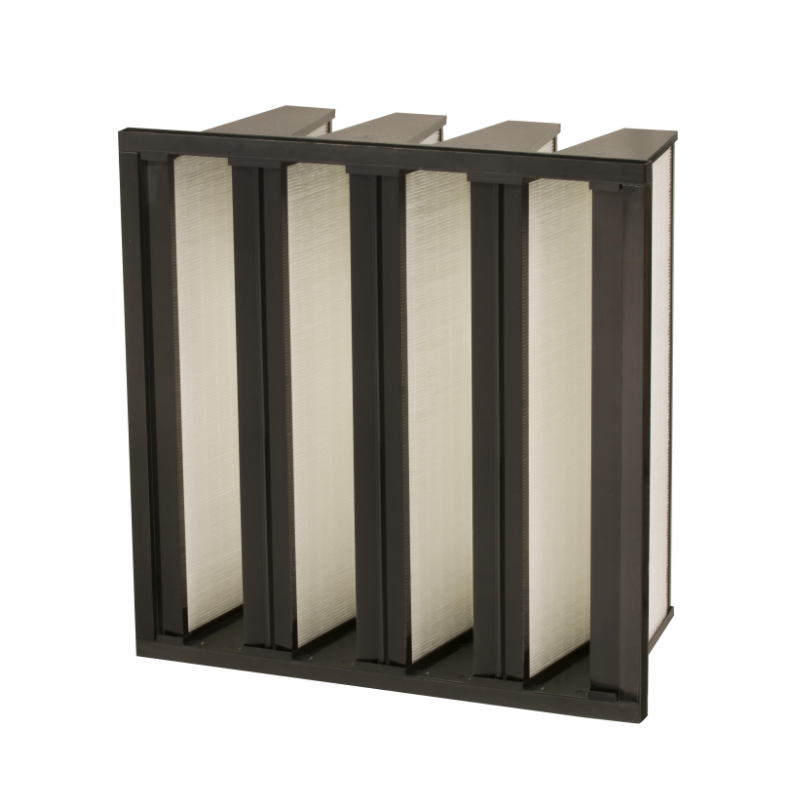
Not all particles behave alike, which is why inlet air quality is a specification issue rather than a vague idea. Coarse dust is largely stopped by the first stage, while finer aerosol can pass a coarse pre-filter and reach the high-efficiency element. Suppliers describe high-efficiency panel stages, including V-bank designs, with ratings such as capturing 99.97 percent of particles at 0.3 micrometres under stated test conditions. Those figures have meaning only when the site challenge resembles the test basis. A gas turbine inlet air filter arrangement should be selected from the actual contaminant mix, whether desert dust, marine salt, pollen or process smoke, and blade deposition rates should be tracked against it.
Fouling is what turns wear into a calendar. Between overhauls, operators monitor compressor efficiency, heat rate and the decline in output at a given ambient condition. When the loss becomes unacceptable, the unit is washed and, eventually, opened for inspection. Cleaner intake air slows that decline, so the overhaul interval reflects condition rather than a fixed timetable. A gas turbine inlet air filter that holds its efficiency through the season gives the reliability team a more stable baseline. The practical benefit is not that washing becomes unnecessary, but that compressor fouling develops more slowly and each wash recovers more of the original performance.
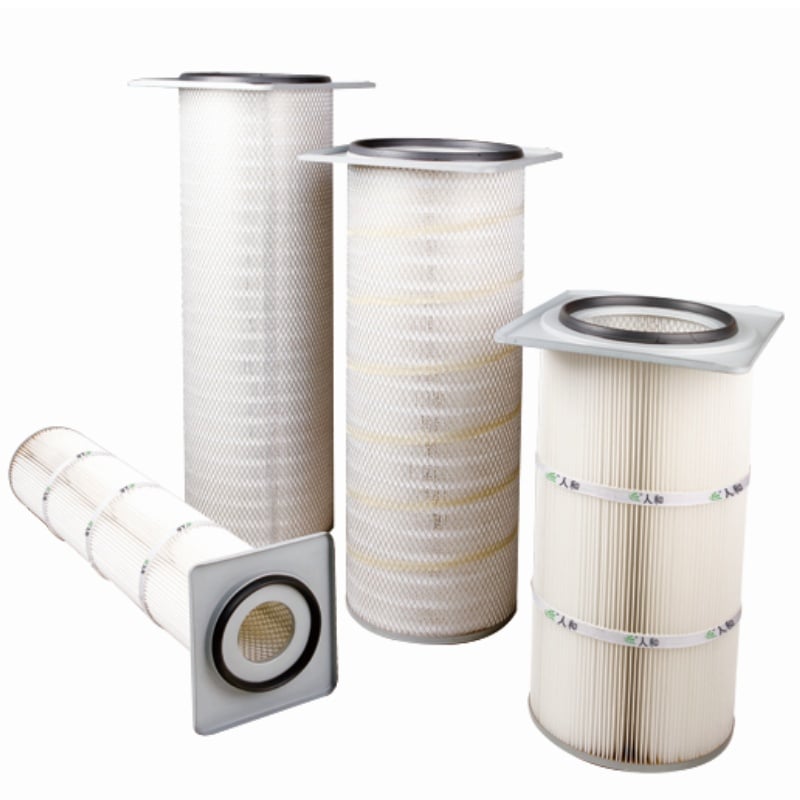
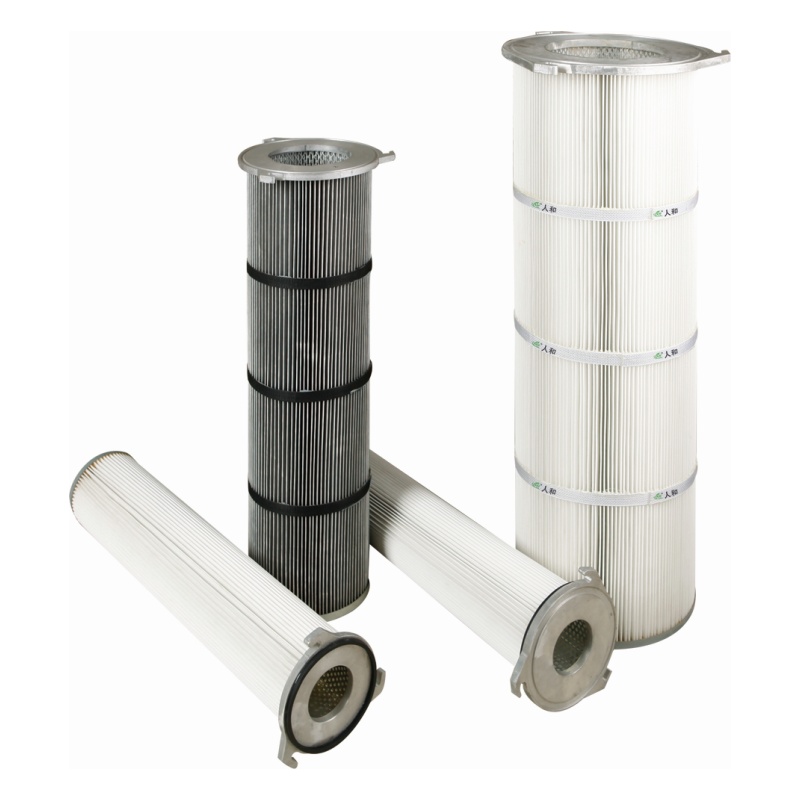
A practical sourcing scenario draws on the same product family used for gas turbine and diesel engine intake, blast furnace blowers and oxygen plant compressors. A plant facing a shortened overhaul interval traced the problem to blade deposition found during a planned inspection. The intake had been relying on a coarse stage only, and fine material was reaching the compressor. Upgrading the gas turbine inlet air filter to a staged arrangement with a high-efficiency downstream element reduced the deposition rate seen at the next inspection, and the gas turbine inlet air filter upgrade was credited with stabilising performance. The team kept its washing programme but lengthened the interval between heavy cleans as condition data improved. A supplier such as Jiangsu Renhe could provide the filtration stages and test documents, while the plant owned the overhaul decision. Review specifications and compare product options against the real contaminant.
An inlet filter is one contributor to a long overhaul interval, not a guarantee. Fuel chemistry, water ingestion, cycling duty and operating temperature all influence how fast a turbine degrades. A gas turbine inlet air filter also needs correct sealing and timely servicing; a bypassed or poorly seated element can undo the benefit entirely. Plants should verify that inlet air quality targets are met in practice, using inspection findings and performance trends rather than catalogue ratings alone. Request material guidance and verify test documents before crediting any single component with extending the overhaul interval. A gas turbine inlet air filter cannot eliminate compressor fouling on its own.
Question one: Can a better inlet filter eliminate compressor washing?
Answer: No. A gas turbine inlet air filter reduces compressor fouling and slows blade deposition, but washing stays part of a sound maintenance plan. The gain is a longer interval and better recovery after each wash.
Question two: How do I know whether my intake is the problem?
Answer: Look at the rate of output loss at similar ambient conditions and at inspection findings on the blades. If inlet air quality seems poor and blade deposition is heavy despite regular washing, the gas turbine inlet air filter is worth reviewing.
Question three: Does a higher efficiency rating always mean a longer overhaul interval?
Answer: Not by itself. The rating must match the site's inlet air quality and the element must stay sealed and serviced. A mismatched high-efficiency gas turbine inlet air filter can load quickly and deliver little benefit.
 Hot News
2026-11-22
2026-11-22
2026-11-22
2026-11-22
2026-11-22
2026-11-22
Renhe focuses on air filter cartridge, gas turbine air filter, Pleated Filter Media, industrial dust, Our main products have been recognized as high-tech products in Jiangsu Province, famous trademarks in Wuxi City, and CE certification.
NO. 31 Xingyuan Road, Jiefang Industrial Park, Gushan Town, Jiangyin City, Jiangsu Province, China (214414)
Copyright © 2024 Jiangsu Renhe Environmental Equipments Co., Ltd Privacy Policy
 EN