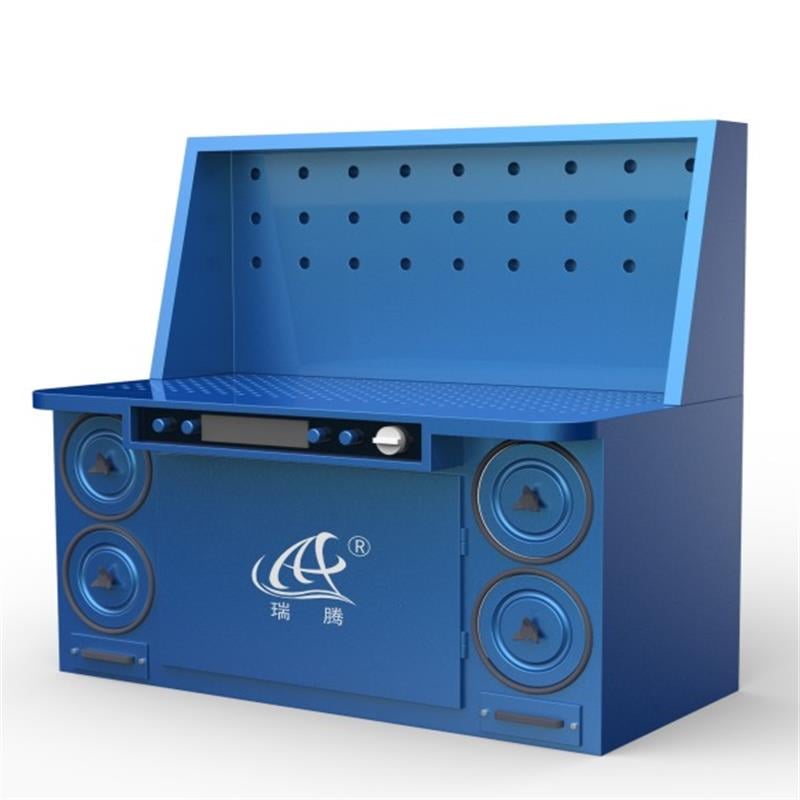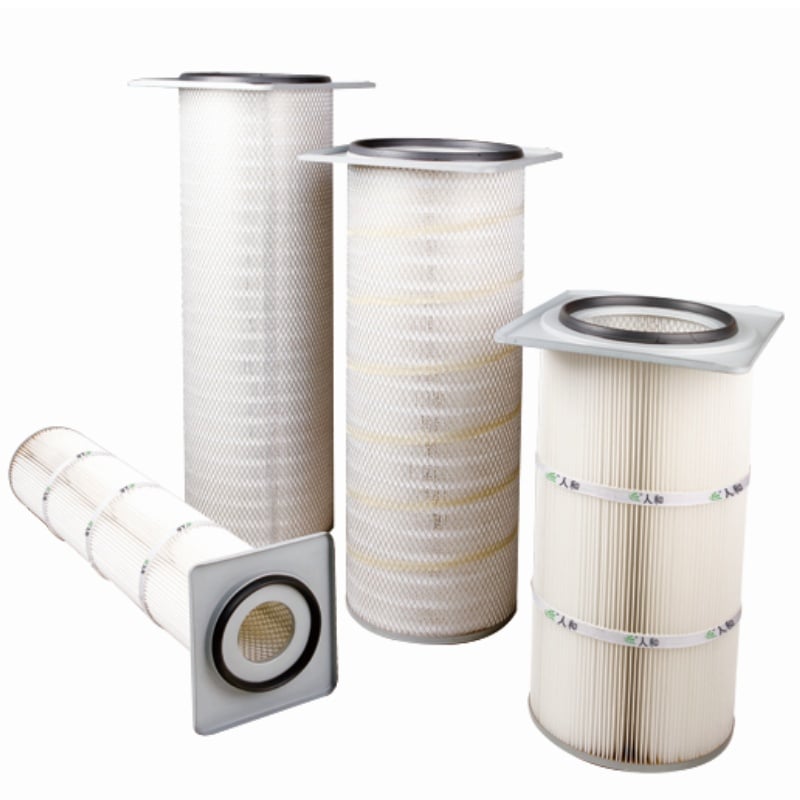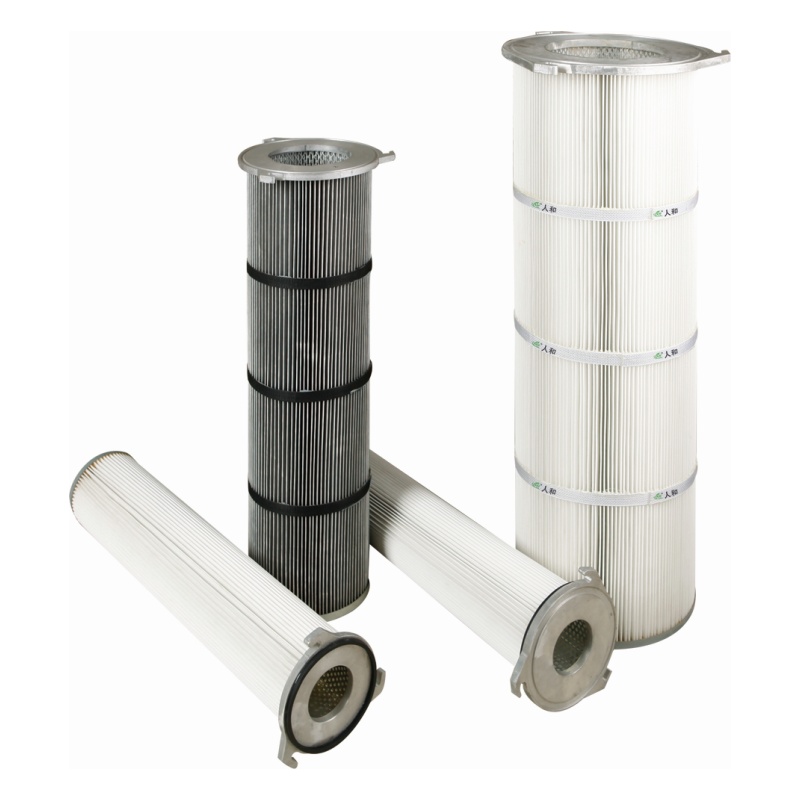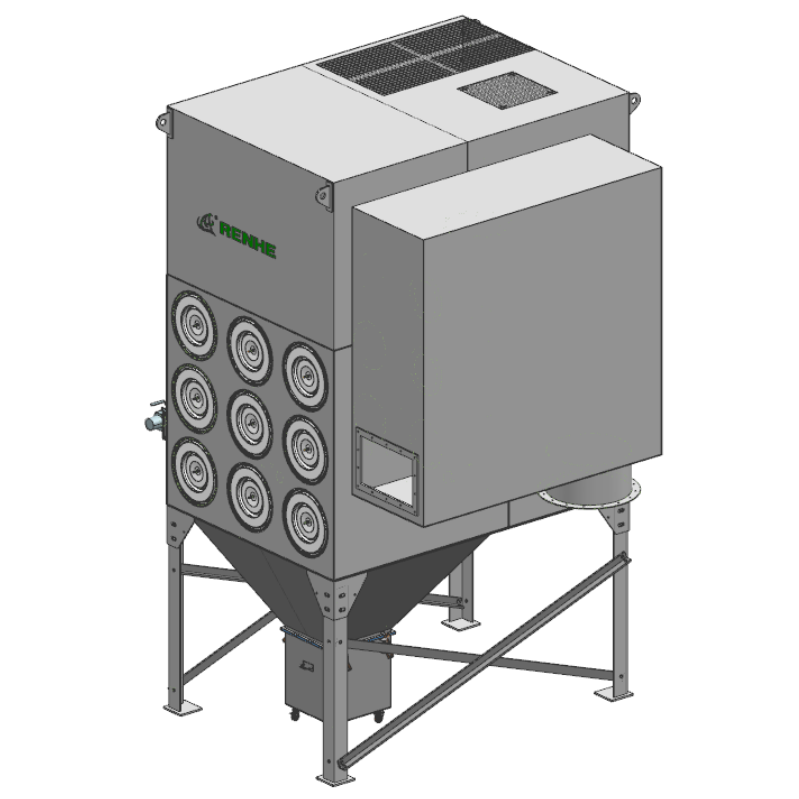
A walk through a fabrication shop reveals the same pattern almost every time: portable units stand near a few workbenches, while the rest of the bay relies on general ventilation. A safety officer asked to improve conditions faces a practical question, not a philosophical one: would a centralized fume dust collector reach the sources that portable units miss? The value of a fume dust collector is measured in exposure avoided across the whole shift, not in the cleanliness of one station. Centralised collection changes the geometry of capture, because ducts can be routed to fixed and moving sources alike. Understanding the workplace safety benefits starts with mapping where fume is generated and how it moves before it is diluted by the room.
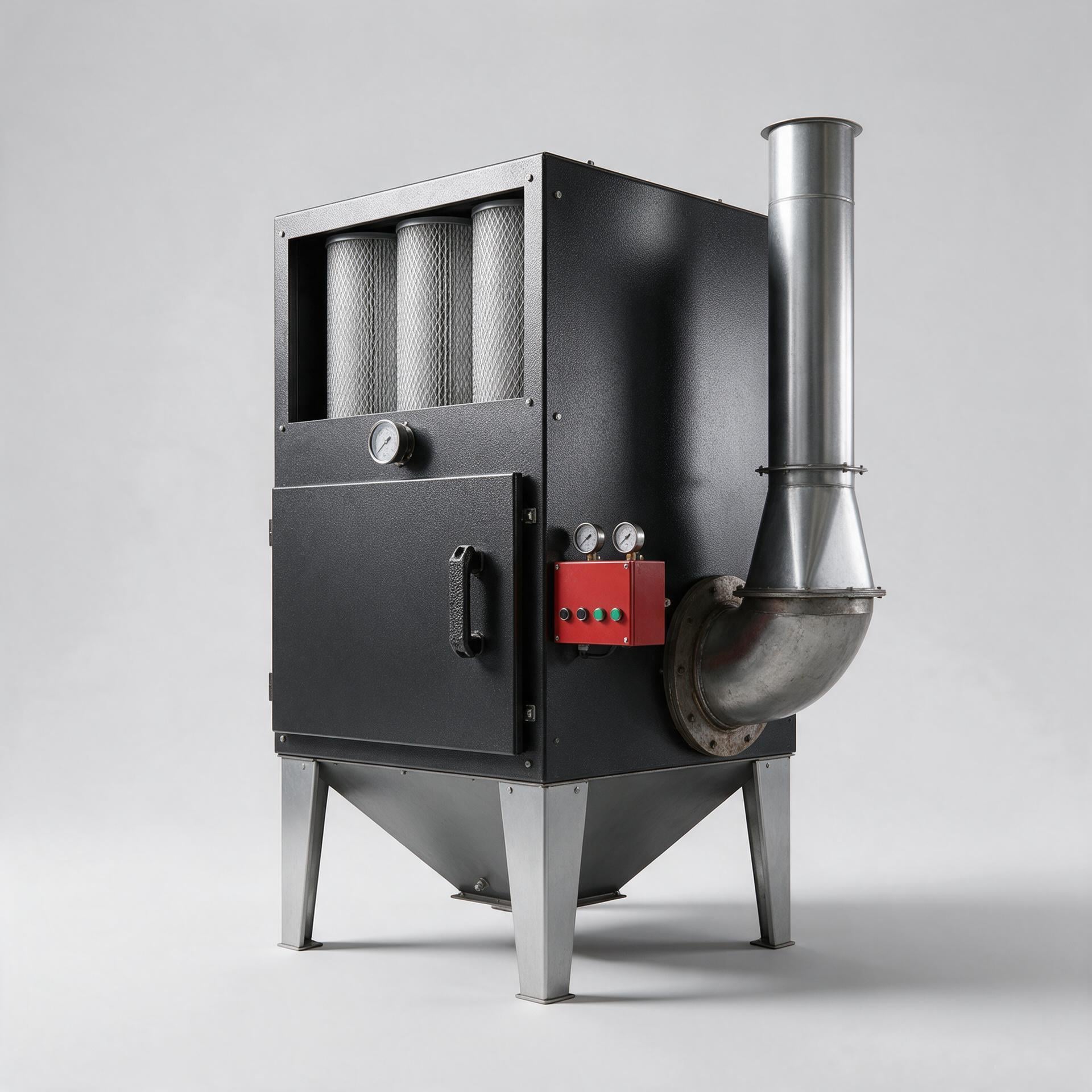
A centralized fume dust collector serves several capture points from one filtration plant. That arrangement removes small units from the floor, which matters because each portable device is another cable, hose, and wheeled obstruction. Fewer machines in the work zone mean fewer trip hazards and less noise at ear level. The workplace safety benefits also include maintenance discipline: one system has one filter-change schedule and one set of pressure readings, so it is easier to keep working. Welding fume control is not improved simply by adding more machines; it improves when capture is planned. A central plant lets the engineering team place hoods where the process actually generates fume instead of where a plug happens to be available.
The most cited workplace safety benefits are cleaner breathing zones and less visible smoke, but secondary effects matter too. When fume is captured near the source, it does not settle on floors, tools, or lighting, which reduces housekeeping and slip risk. A centralized fume dust collector can be interlocked with process equipment, so ventilation runs when welding starts rather than when someone remembers a switch. Shop floor air quality becomes a managed parameter instead of a matter of habit. For a fume dust collector serving several bays, the safety case is strongest when the system is designed around the work pattern and the maintenance team can see its operating condition at a glance.
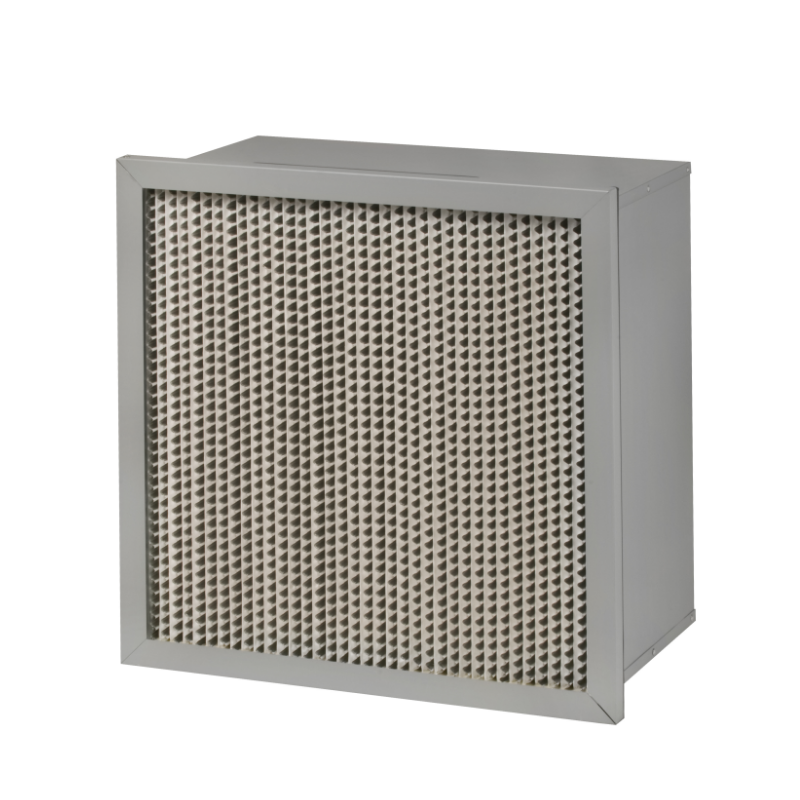
Shop floor air quality depends on what happens after filtration. In cold climates, exhausting cleaned air outdoors means reheating make-up air, so many plants prefer to return it. That decision has safety implications: the return path must not reintroduce particles that the filtration stage did not address. A fume dust collector with a documented second-stage high-efficiency filter gives the engineering team a defensible basis for return-air decisions. Shop floor air quality should be verified with measurements at the work position, not assumed from a nameplate. If the process generates gases as well as particles, a particulate collector alone may not be sufficient, and the specification should say so plainly. Review specifications with your industrial hygienist before choosing the arrangement.
A large household appliance dismantling enterprise offers a realistic picture of multiple sources in one hall. The operation handled roughly 170,380 tonnes a year of discarded electrical and electronic equipment, a scale that generates particulate from CRT and LCD breaking, phosphor and lead-bearing dust from screen cutting, dust from air conditioner and washer dismantling, and refrigerant vapours. No single bench defines the problem. For such a layout, a centralized fume dust collector is judged on how well the duct network reaches each generation point and how the collected stream is treated. The case illustrates that welding fume control is one part of a broader workshop air strategy; where gases are present, particulate filtration must be reviewed alongside other treatment stages. Workplace safety benefits come from matching the system to the full source list.
Start with a source map: list fixed stations, moving work, and any process that releases gas in addition to particles. Measure the airflow needed at each capture point and check that the fan curve supports them together. Ask how the fume dust collector will be interlocked and where pressure gauges will sit, because a system nobody monitors will drift. Confirm the filter-change procedure and whether a second stage is included for return air. Finally, review the duct layout for dead legs where dust can settle. A centralized fume dust collector is a long-term safety investment, and the workplace safety benefits are realised only when capture, filtration, and maintenance are treated as one design. Request material guidance and compare options before you commit.
Question one: Is a centralized system always better than portable units?
Answer: Not always. A centralized fume dust collector suits fixed stations and several points that can share one plant. Portables may still be needed for occasional or highly mobile work, and a hybrid layout is often the practical answer.
Question two: What does shop floor air quality depend on after filtration?
Answer: It depends on the return-air decision, the efficiency of any second stage, and measurements taken at the work position. Do not infer shop floor air quality from the collector nameplate alone.
Question three: How often should a fume dust collector be inspected?
Answer: Set a routine around pressure readings and filter condition rather than a fixed guess. Check that capture at each hood remains effective, and investigate any reading that fails to return to its baseline after cleaning.
 Hot News
2026-11-22
2026-11-22
2026-11-22
2026-11-22
2026-11-22
2026-11-22
Renhe focuses on air filter cartridge, gas turbine air filter, Pleated Filter Media, industrial dust, Our main products have been recognized as high-tech products in Jiangsu Province, famous trademarks in Wuxi City, and CE certification.
NO. 31 Xingyuan Road, Jiefang Industrial Park, Gushan Town, Jiangyin City, Jiangsu Province, China (214414)
Copyright © 2024 Jiangsu Renhe Environmental Equipments Co., Ltd Privacy Policy
 EN