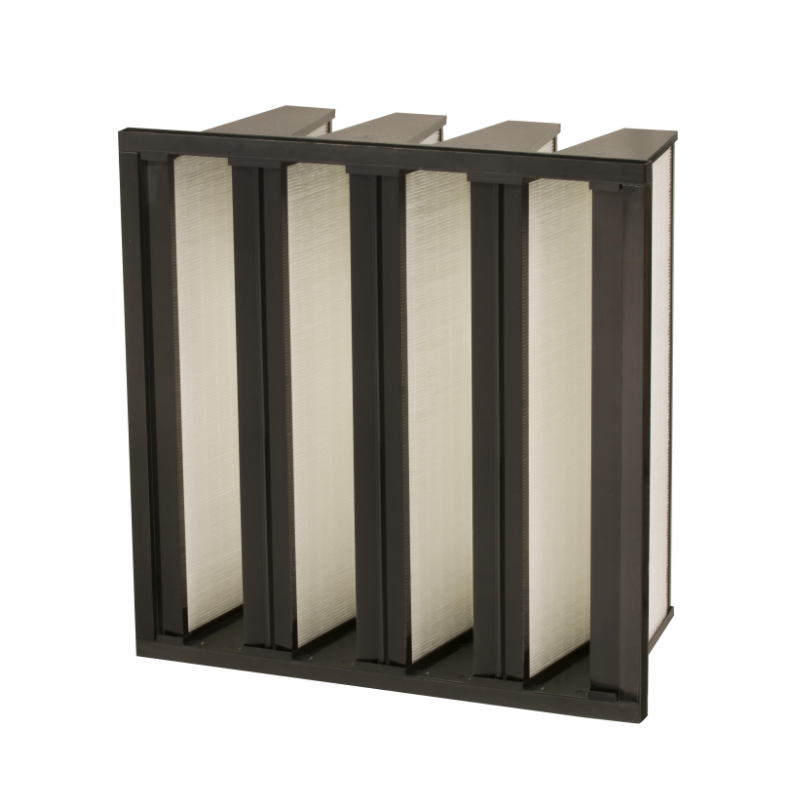
Most buyers specify a dust collector filter cartridge only after the fan and housing are settled. That order is understandable, but it hides where performance is really decided. The element is the boundary between a dusty process and the air everyone breathes. If the wrong media or construction is chosen there, no amount of fan power will recover the loss. Understanding the dust collector filter cartridge as a filtration device in its own right, rather than a consumable that simply fits a holder, is the first step to a sound specification. The same understanding makes cleaning behaviour and replacement intervals far easier to predict across the life of the installation.
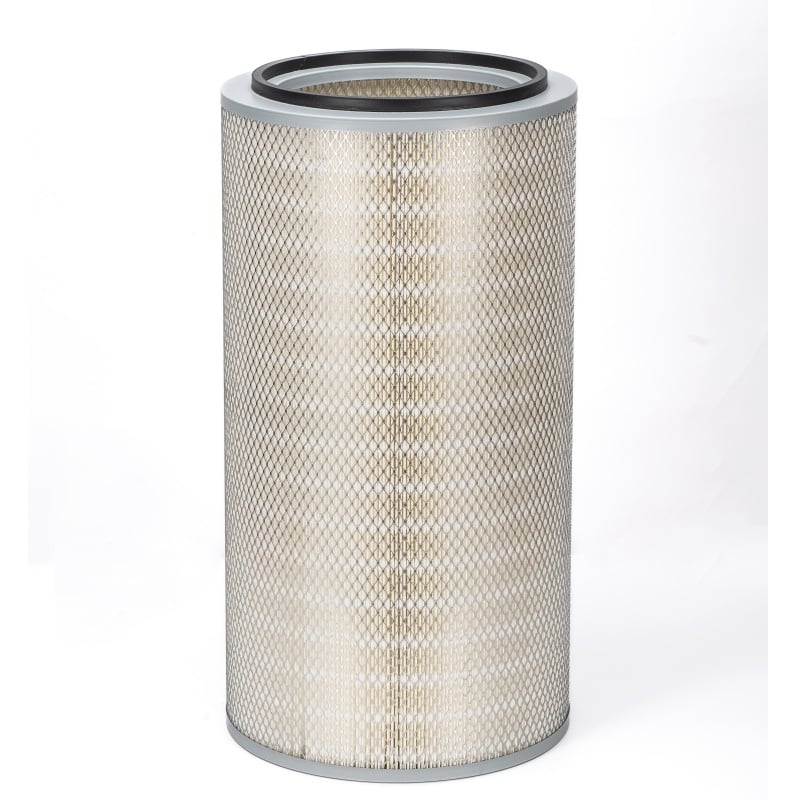
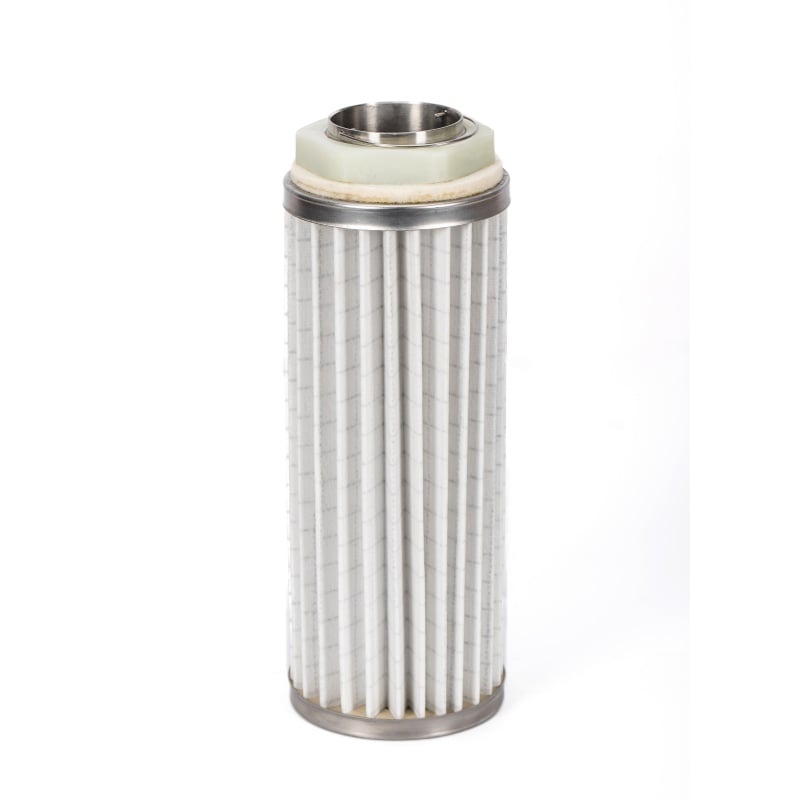
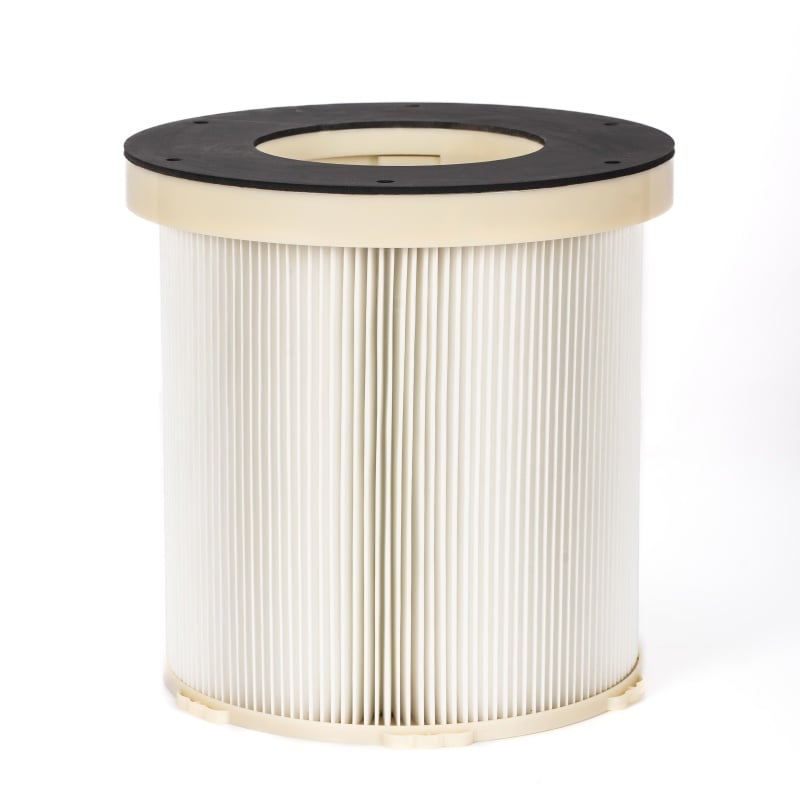
A dust collector filter cartridge is a pleated pack of filter media sealed into end caps, usually with an inner and an outer support liner and a gasket at the sealing face. Pleating folds the pleated media into a compact cylinder, which is why a dust collector filter cartridge can handle fine dust at a manageable housing size. The liners keep the pleats from collapsing together under pressure, while the end caps and gasket prevent unfiltered air from taking a shortcut around the media. Some designs use a conical profile to enlarge the inlet opening and improve flow, and supplier literature describes special fixing methods that keep the media from shifting against the support cage. Those construction details matter because a media pack that moves will rub, leak and eventually fail.
A dust collector filter cartridge using surface filtration begins with a simple idea: the media holds back particles at its outer face, and those retained particles form a filter cake that soon becomes the real filtering layer. Once that cake is established, it can capture particles finer than the media itself, while the media primarily acts as a support. As the filter cake thickens, resistance rises and the cleaning system removes most of it in a short pulse. A stable residual layer is normal and often desirable, because a completely stripped surface can briefly pass more dust. Plants that understand this aim for consistent recovery rather than a perfectly clean element. Supplier data for certain horizontal cartridge models cites collection efficiency around 99.99 percent under defined test conditions, which reflects how effective a mature cake can be.
Depth filtration works on a different principle. Particles enter the thickness of the media and are retained throughout it by interception, impaction and diffusion. The medium itself does most of the work, so a depth-filtering dust collector filter cartridge can hold substantial dust before resistance climbs, and the filter cake forms more gradually than in surface filtration. The trade-off is cleaning: particles lodged deep inside are not easily pulsed off, and residual dust accumulates over many cycles. For heavy, dry loads removed infrequently, depth filtration can be useful; for fine dust that must be released repeatedly, surface filtration is usually preferred. Two dust collector filter cartridge designs with similar ratings can therefore behave very differently on the same line.
A membrane coating changes where separation happens. A thin porous layer on a dust collector filter cartridge forces even very fine particles to stay outside, giving a form of surface filtration that is less dependent on building a thick cake. In practice this means lower operating resistance, easier release during cleaning and better protection of the underlying pleats. The pleated media beneath the membrane provides the area and mechanical strength, while the membrane controls release behaviour. Buyers should ask what test basis supports the coating claim and whether it suits their dust, since a sticky or oily aerosol can blind a surface that a dry dust would shed easily. Request material guidance and compare product options against the actual dust.
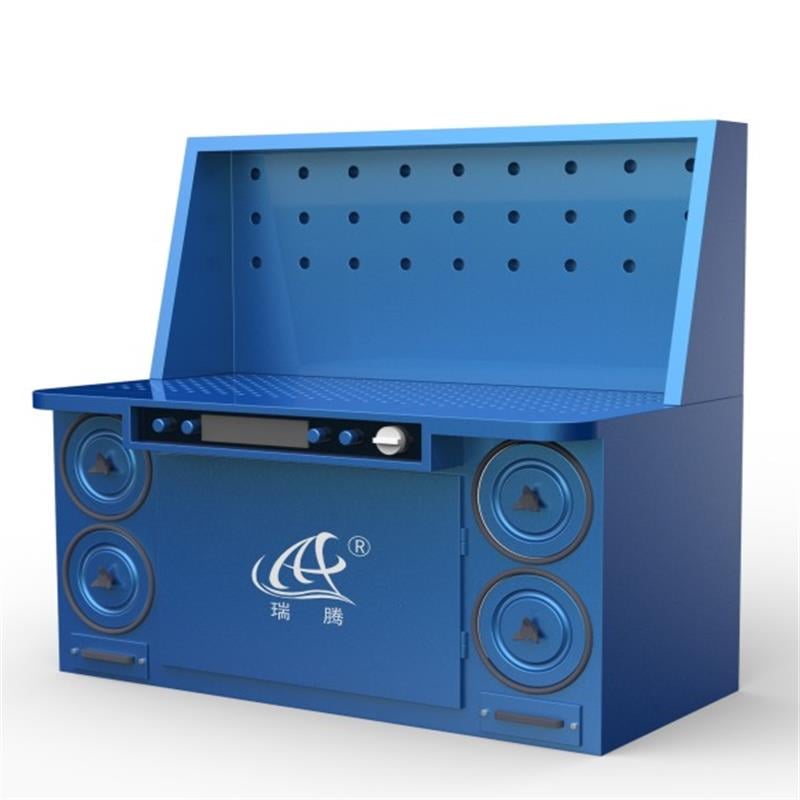
An automatic sand drenching dust control project at a foundry workshop using lost wax casting shows these ideas in service. Dust drawn from a hood over the sand pipe passed into a dust collector filter cartridge chamber and then a secondary high-efficiency stage before clean air returned to the room. The fine silica sand formed a filter cake layer that the pulse system removed at regular intervals, and the maintenance team watched how completely the differential pressure recovered after each clean. Because the dust was abrasive, the team also checked that the pleated media and its support liners on each dust collector filter cartridge had not rubbed at the pleat shoulders. A supplier such as Jiangsu Renhe could document the media and test basis, while the plant decided the cleaning interval. Review specifications and verify test documents before committing.
Question one: Is a filter cake a sign that the element is failing?
Answer: No. A stable filter cake is central to surface filtration on a dust collector filter cartridge. The concern is a cake that never releases, which shows up as resistance that keeps climbing after cleaning.
Question two: Should I choose surface filtration or depth filtration?
Answer: It depends on the dust and how often you clean. A dust collector filter cartridge built around depth filtration suits heavy loads removed infrequently; surface filtration suits fine dust released on every pulse. Compare product options against your duty.
Question three: What should I check on a replacement dust collector filter cartridge?
Answer: Confirm the end-cap fit, gasket material, liner construction and media specification. Ask the supplier to explain what the pleated media is rated for under your conditions.
 Hot News
2026-11-22
2026-11-22
2026-11-22
2026-11-22
2026-11-22
2026-11-22
Renhe focuses on air filter cartridge, gas turbine air filter, Pleated Filter Media, industrial dust, Our main products have been recognized as high-tech products in Jiangsu Province, famous trademarks in Wuxi City, and CE certification.
NO. 31 Xingyuan Road, Jiefang Industrial Park, Gushan Town, Jiangyin City, Jiangsu Province, China (214414)
Copyright © 2024 Jiangsu Renhe Environmental Equipments Co., Ltd Privacy Policy
 EN