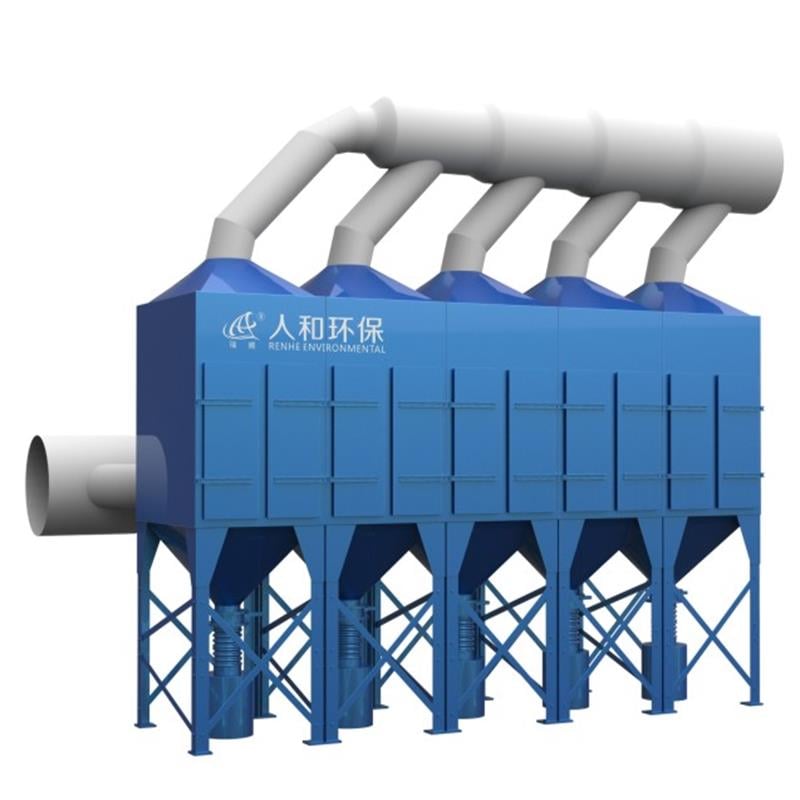
High differential pressure is the most common complaint about a pulse jet baghouse, but the reading itself does not say why. Differential pressure is simply the resistance the fan must overcome to pull air through the filter bags and the dust accumulated on them. When it climbs above the normal working band, something has changed along that path. A baghouse that is correctly sized and properly cleaned settles into a stable range; a rising trend usually means cleaning is losing the race against dust loading. Treating the number as a diagnosis leads buyers to replace filter bags that were never the real problem.
A dust cake is normal and even useful, but when it grows too thick on the filter bags before the next pulse, resistance rises. This happens when the dust load increases, when the cleaning interval is too long, or when the pulse no longer dislodges the outer layer. In a baghouse, differential pressure should fall after each pulse jet cleaning sequence; if it falls only a little, the dust cake is not being removed effectively. Operators typically watch the residual pressure after cleaning rather than only the peak, because the residual value shows whether the cycle is keeping up with the incoming dust.
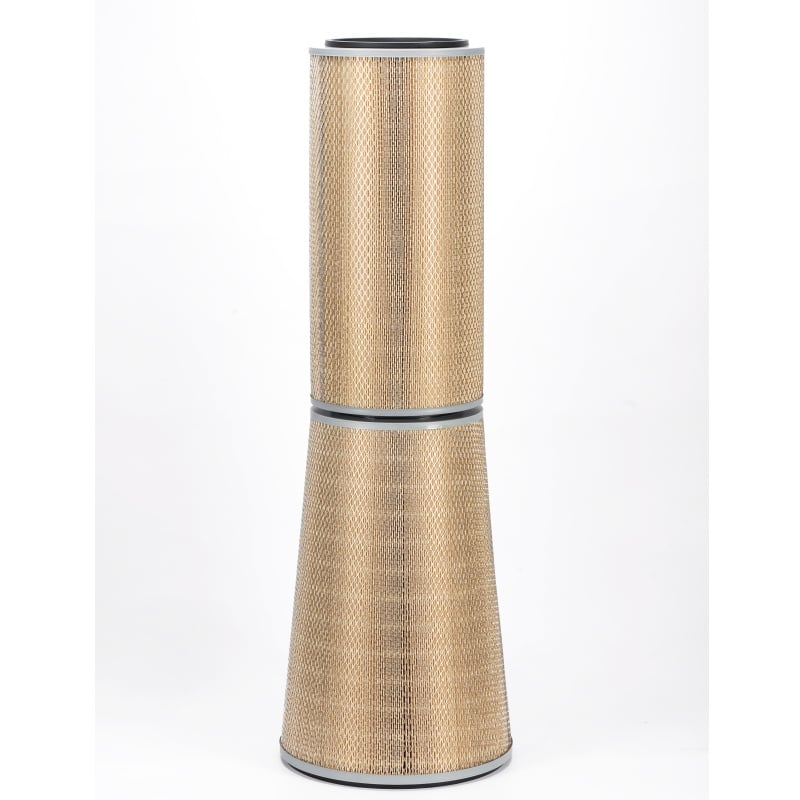
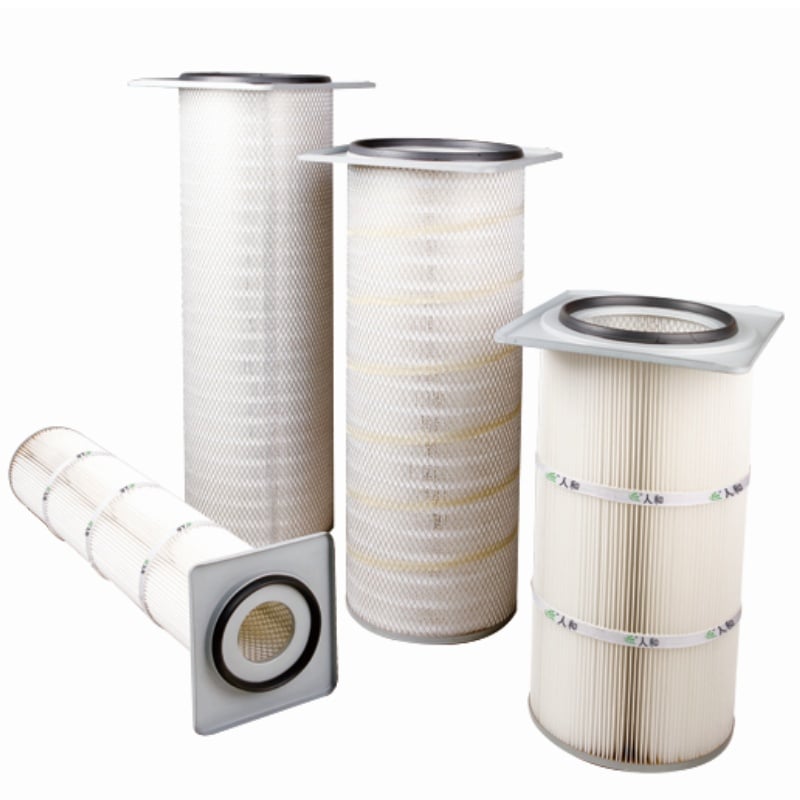
Weak cleaning is a frequent cause of high differential pressure. Pulse jet cleaning depends on clean compressed air, functioning diaphragm valves and blow pipes that direct the jet into each bag. If any of these degrade, a baghouse accumulates dust that later pulses no longer release. A clogged blow pipe, a failed valve or moisture in the air line shows up as a rising differential pressure that barely responds to longer cleaning intervals. Inspect the cleaning hardware before blaming the media. Over-pulsing can also be counterproductive, because it strips the useful layer and makes the filter bags work harder at capturing fine dust.
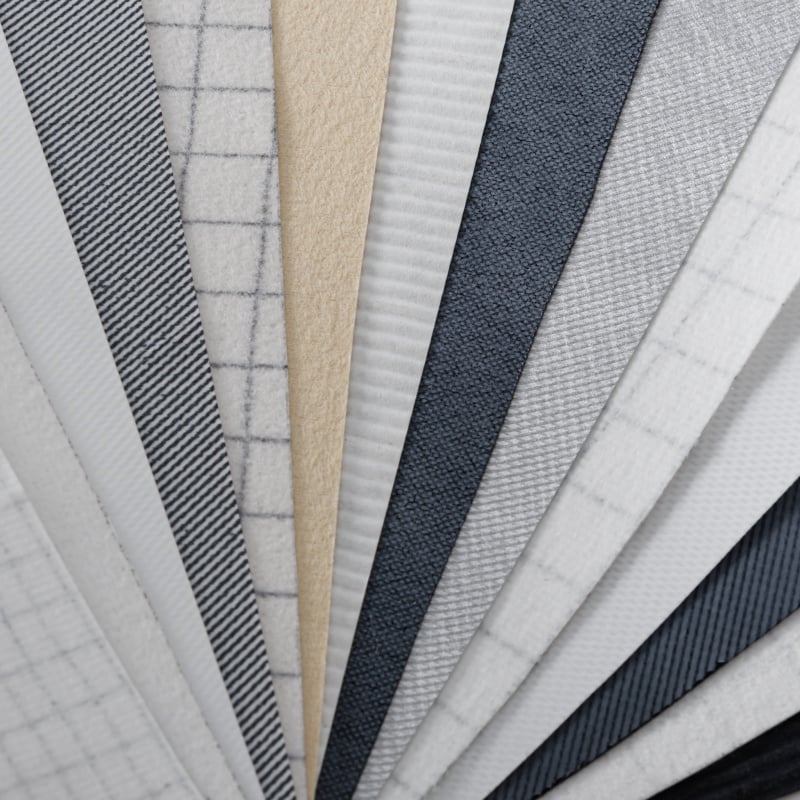
Certain dusts blind the pores of the filter bags rather than forming a removable dust cake. Fine, sticky or hygroscopic particles work into the media and resist the pulse, so resistance climbs even when the cleaning system is sound. This is conditioning rather than simple cake build-up, and it is common where the dust is moist or where the baghouse sees temperature swings that cause condensation. The remedy lies in matching the media finish and the operating conditions to the dust, not in increasing pulse frequency. A supplier should discuss the dust characteristics before the filter bags are specified.
A baghouse sized for a lower airflow runs at a higher differential pressure when the process pulls more air than intended. Extra airflow means more dust presented to the same filter area and a higher velocity through the media, both of which raise resistance. Leaks in upstream ductwork or opened process openings can also draw in additional air and push the baghouse past its design point. Before adding cleaning capacity, confirm the actual airflow against the design value. If the fan is moving too much air, the right fix is to correct the system rather than to accept a permanently elevated pressure drop.
An application example comes from a multinational heavy industry enterprise producing tower and crawler cranes, where fume control involved heavy metal dust and a high duty cycle. The team found that differential pressure across the baghouse climbed during long production runs and settled only partially after each cleaning sequence. Investigation pointed to a combination of high dust load and cleaning hardware that needed attention, rather than to worn filter bags. Once pulse jet cleaning and the operating airflow were corrected, the baghouse returned to a stable working band. A supplier such as Jiangsu Renhe could document the cleaning arrangement. Review specifications before committing.
Diagnosing high differential pressure means reading the trend rather than a single number. Record the pressure at a fixed airflow, both just after cleaning and before the next pulse. A rising residual value points to cleaning or conditioning problems; a rise that tracks increased airflow points to the system. Compare the pattern with the commissioning baseline so that drift becomes visible. Request material guidance and verify test documents when the cause is unclear. A methodical reading saves unnecessary filter bag purchases and keeps the baghouse within its intended range.
Question one: What is the most common cause of high differential pressure in a baghouse?
Answer: Usually a dust cake that is not removed quickly enough, often because cleaning is weak or the dust load has risen. Check the pulse jet cleaning hardware and the residual pressure after each pulse before replacing anything.
Question two: Does high differential pressure always mean the filter bags are worn?
Answer: No. It can reflect excess airflow, blinding from fine or moist dust, or a fault in the pulse system. Worn filter bags are only one possibility, so confirm the cause first.
Question three: How does airflow affect baghouse pressure drop?
Answer: Higher airflow sends more dust to the same filter area and raises velocity through the media, increasing differential pressure. Confirm the actual airflow against the design duty before changing the cleaning setup.
 Hot News
2026-11-22
2026-11-22
2026-11-22
2026-11-22
2026-11-22
2026-11-22
Renhe focuses on air filter cartridge, gas turbine air filter, Pleated Filter Media, industrial dust, Our main products have been recognized as high-tech products in Jiangsu Province, famous trademarks in Wuxi City, and CE certification.
NO. 31 Xingyuan Road, Jiefang Industrial Park, Gushan Town, Jiangyin City, Jiangsu Province, China (214414)
Copyright © 2024 Jiangsu Renhe Environmental Equipments Co., Ltd Privacy Policy
 EN