An air compressor draws in large volumes of ambient air, and every particle in that air reaches the machine. Without clean intake, dust abrades the rotor or cylinder and shortens service intervals. A self-cleaning air filter solves the problem by removing dust from the intake media while the compressor keeps running. This guide explains what the filter is and how it protects an air compressor, drawing on the self-cleaning intake filter series in the knowledge base. The aim is a clear definition plus the practical reasons a plant would choose this design over a static filter.
A self-cleaning air filter is an intake filter that removes collected dust without a manual element change. It uses short cleaning pulses that dislodge the dust layer from the filter media and carry it away, so the element stays usable for longer. The knowledge base includes a vertical self-cleaning intake filter and an RH W self-cleaning air intake filter, with an air compressor inlet series covering 100 to 1200 cubic metres per minute. That range shows the design is intended for continuous duty across many compressor sizes. In a typical arrangement, air passes through the filter media to the compressor inlet, and a pulse system cleans the media on a schedule or when resistance rises. The result is a steady supply of clean air with less manual intervention.
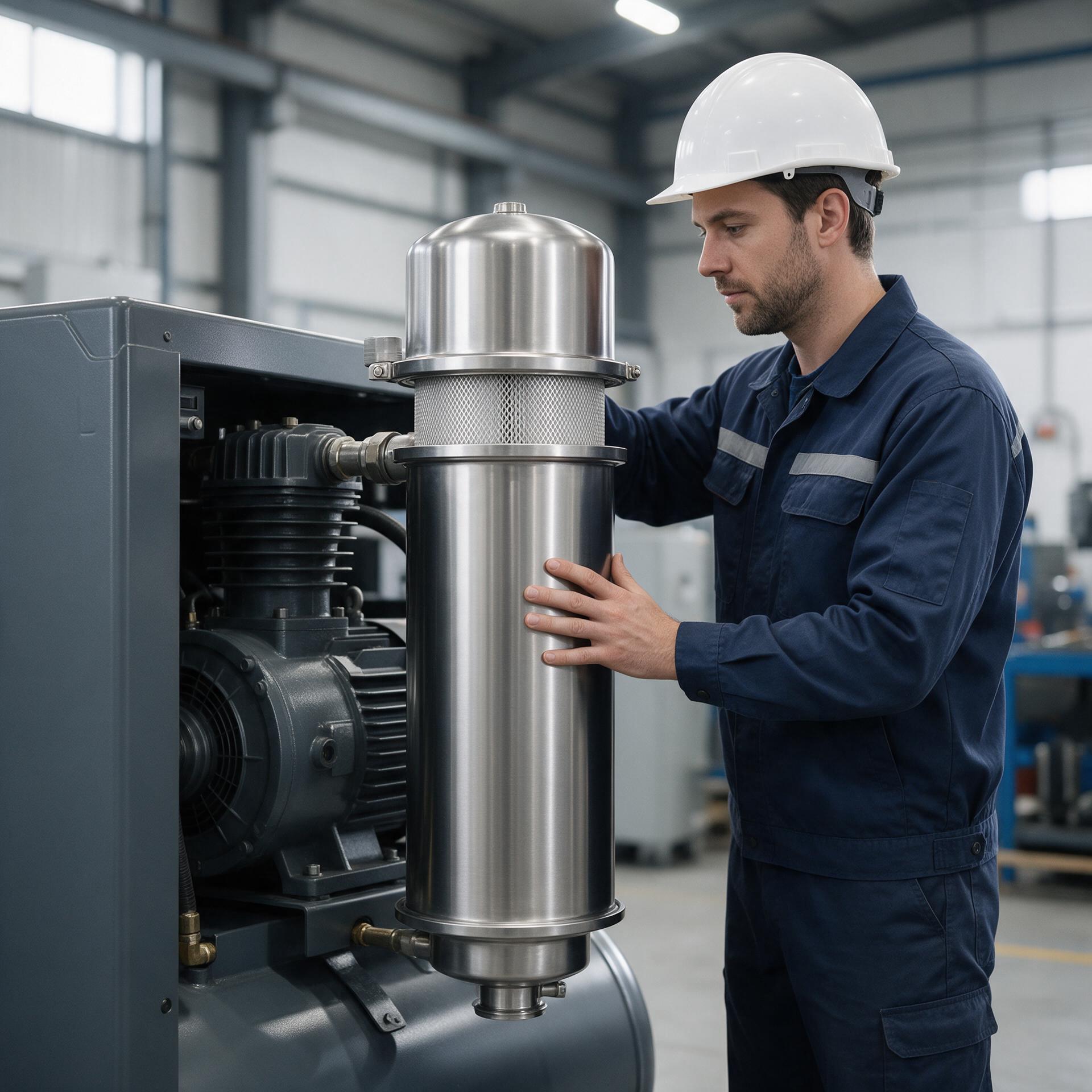
The compressor is a precision machine, and contamination at the inlet attacks it in two ways. Solid particles cause abrasive wear on moving surfaces such as rotors and cylinders. A self-cleaning air filter reduces both risks by keeping the intake air clean throughout the running period. General engineering practice treats intake filtration as a basic protection measure, because the cost of a compressor repair far exceeds the cost of a filter. For a plant that runs compressors continuously, clean intake also helps maintain efficiency and avoids the pressure rise that comes with a loaded filter. That is why filtration is specified at the design stage.
The value of a self-cleaning air filter lies in the way it manages resistance. As dust collects on the media, differential pressure rises. A cleaning pulse is triggered, often by a set pressure difference, and a short burst of air shakes the dust loose. The dust falls into a collection area and the media returns to a lower resistance. Because the compressor does not need to stop for the clean, the plant avoids downtime. The knowledge base links self-cleaning intake filters with differential pressure monitoring, which is the practical signal that tells the system when to act. For the buyer, this means the filter should be judged on how well it holds pressure drop between pulses, not only on its initial efficiency.
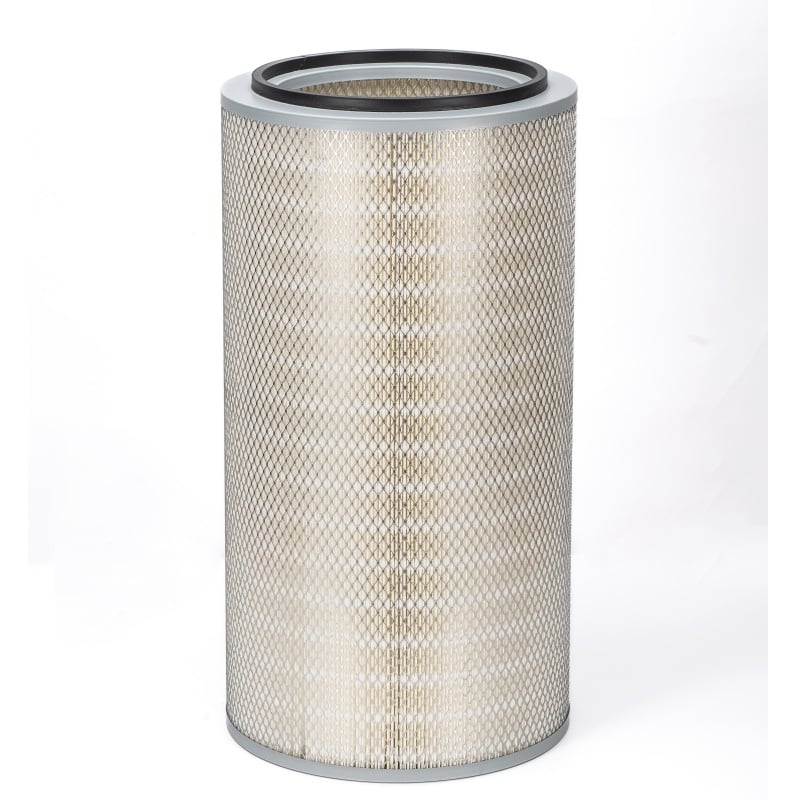
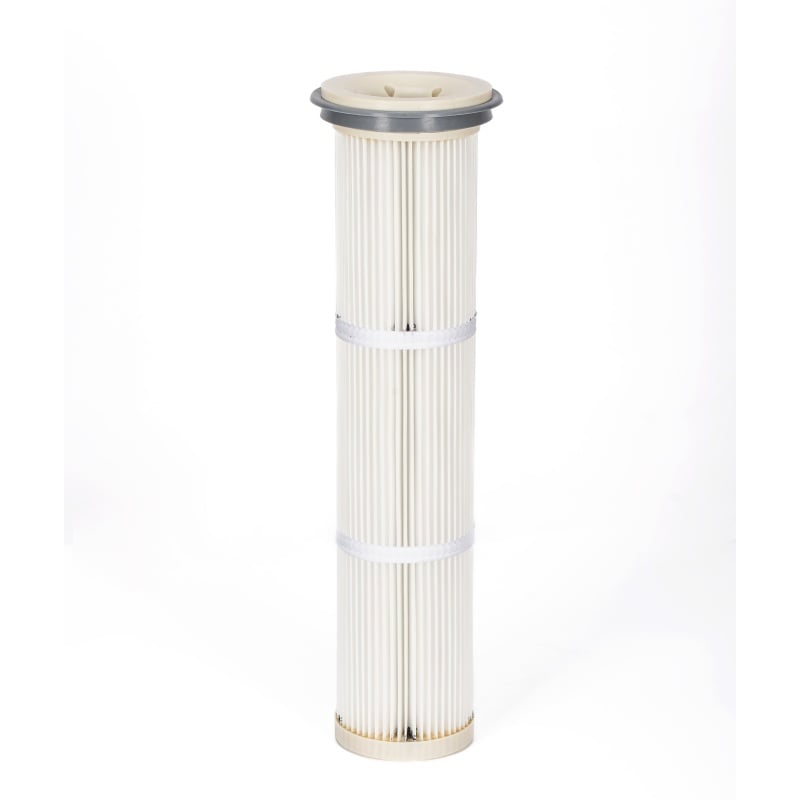
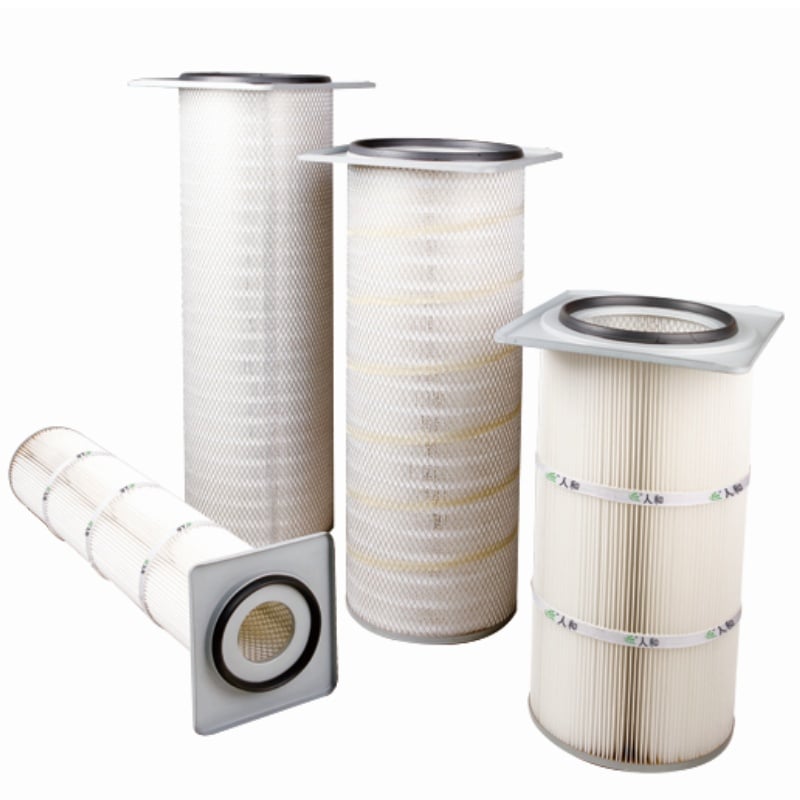
Pressure drop is the thread that connects filtration to energy use. A clean self-cleaning air filter presents modest resistance, but a neglected one forces the compressor to work harder for the same output. Self-cleaning limits that rise by removing the dust layer early. In an air compressor inlet series, stable resistance translates into steadier power draw and more predictable performance. The conical and cylindrical filter cartridges in the knowledge base use wide pleat depth and inner and outer liner, features that support airflow and keep the media stable under repeated pulses. Those details are worth comparing when the application is a compressor intake. A buyer should review clean and loaded pressure drop together rather than choosing on a single figure.
A useful illustration is an anonymous manufacturing plant running a central compressed air station in a dusty environment. The compressors had previously used static intake filters that loaded quickly and required frequent manual changes. The plant moved to a self-cleaning air filter of the type listed for air compressor inlets, with cleaning triggered by differential pressure. Jiangsu Renhe supplied the intake filtration. After the change, the maintenance team spent less time on element changes and the intake pressure drop stayed in a narrower band. The case shows how a self-cleaning air filter protects an air compressor while reducing routine labour. The benefit came from managing resistance continuously rather than reacting after the filter had blinded.
Site conditions should drive the choice. A dusty workshop needs a robust pulse system, while a cleaner environment may prioritise low initial resistance. The buyer should confirm the airflow range of the compressor, the efficiency of the filter media and the allowable pressure drop. It is also sensible to check how collected dust is discharged and how the cleaning pulse is powered. Compare product options on documented behaviour rather than a general claim. Requesting material guidance and reviewing test documents are reasonable steps before ordering. A well matched self-cleaning air filter keeps the air compressor supplied with clean air and keeps maintenance predictable. That is the practical value behind the design.
Question one: How does a self-cleaning air filter protect an air compressor?
Answer: It keeps dust out of the intake and removes the collected layer with pulses, so particles do not abrade the rotor or cylinder and resistance stays controlled.
Question two: Does self-cleaning mean no maintenance at all?
Answer: No. The media still needs periodic inspection and eventual replacement. Self-cleaning extends service intervals and holds pressure drop steady, but it does not remove the need for checks.
Question three: What should I compare between self-cleaning filters?
Answer: Look at airflow range, filtration efficiency, clean and loaded pressure drop, and how the cleaning pulse is triggered. Verify test documents and confirm the media suits your air compressor and site dust.
 Hot News
2026-11-21
2026-11-21
2026-11-21
2026-11-21
2026-11-21
2026-11-20
Renhe focuses on air filter cartridge, gas turbine air filter, Pleated Filter Media, industrial dust, Our main products have been recognized as high-tech products in Jiangsu Province, famous trademarks in Wuxi City, and CE certification.
NO. 31 Xingyuan Road, Jiefang Industrial Park, Gushan Town, Jiangyin City, Jiangsu Province, China (214414)
Copyright © 2024 Jiangsu Renhe Environmental Equipments Co., Ltd Privacy Policy
 EN