A gas turbine spends energy pushing air through its intake. Every extra unit of resistance at the filter means the compressor works harder for the same mass flow, and that work shows up as fuel consumption. Keeping pressure drop low across a gas turbine inlet air filter is therefore an operating economy measure, not just a maintenance goal. This guide explains the link between intake resistance and fuel use, and how self-cleaning filtration helps hold the line. The discussion stays at the level of general engineering principle and does not quote a fuel saving percentage that would vary with each site.
The compressor draws air through the filter house before compression begins. A clean gas turbine inlet air filter presents a modest resistance, but dust accumulation raises it over time. As pressure drop rises, the engine must work harder to move the same air, and the efficiency of the cycle falls. In practical terms, the plant burns more fuel for the same output. General engineering practice treats intake resistance as a parameter to be minimised within the limits of adequate filtration. The saving is real but site specific, which is why this guide avoids a fixed fuel saving figure. What matters for a buyer is the behaviour of the filter over its whole loading cycle.
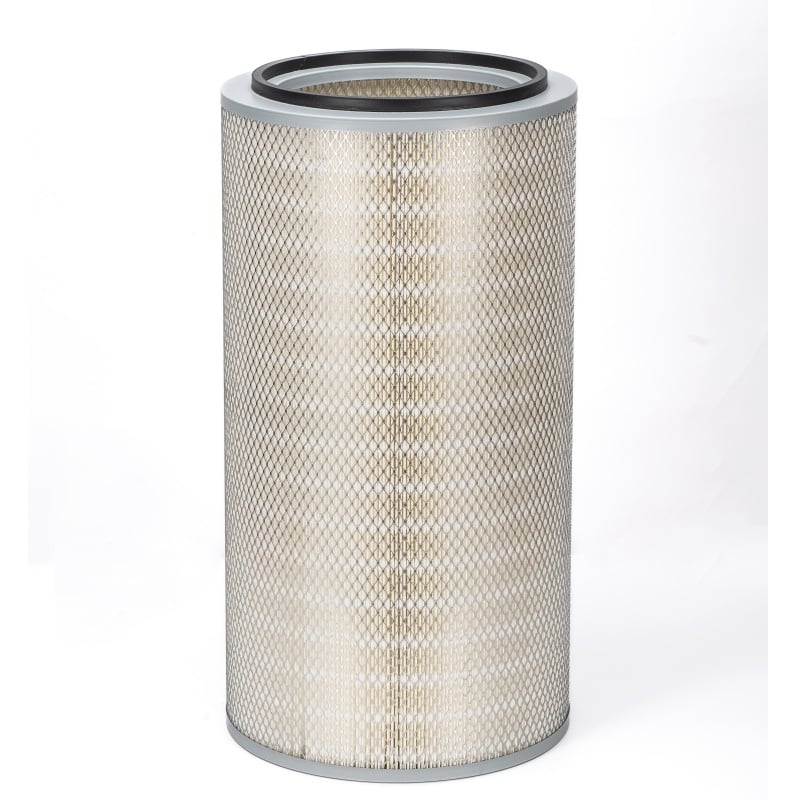
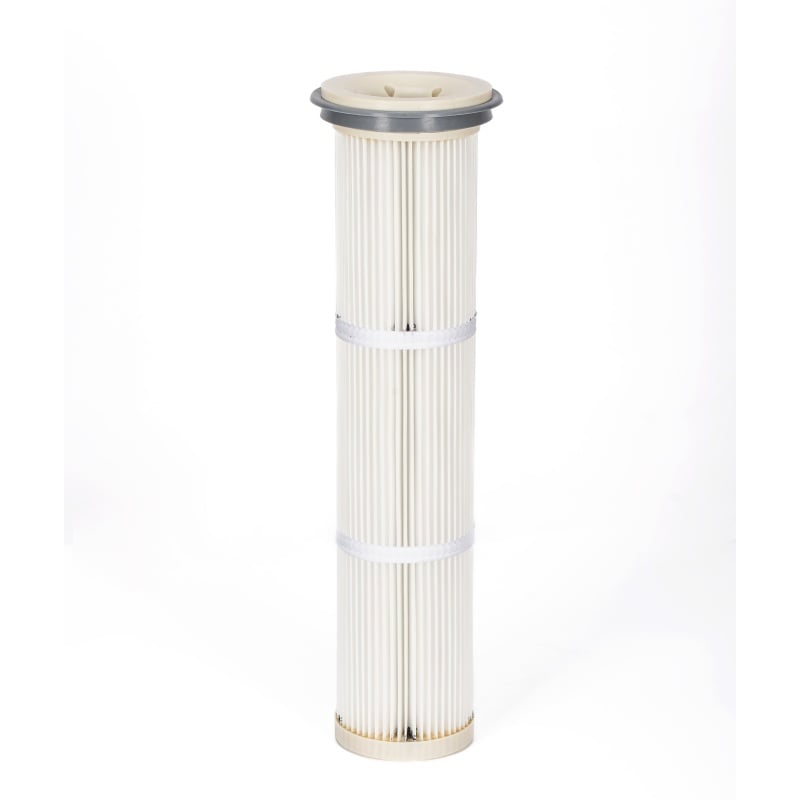
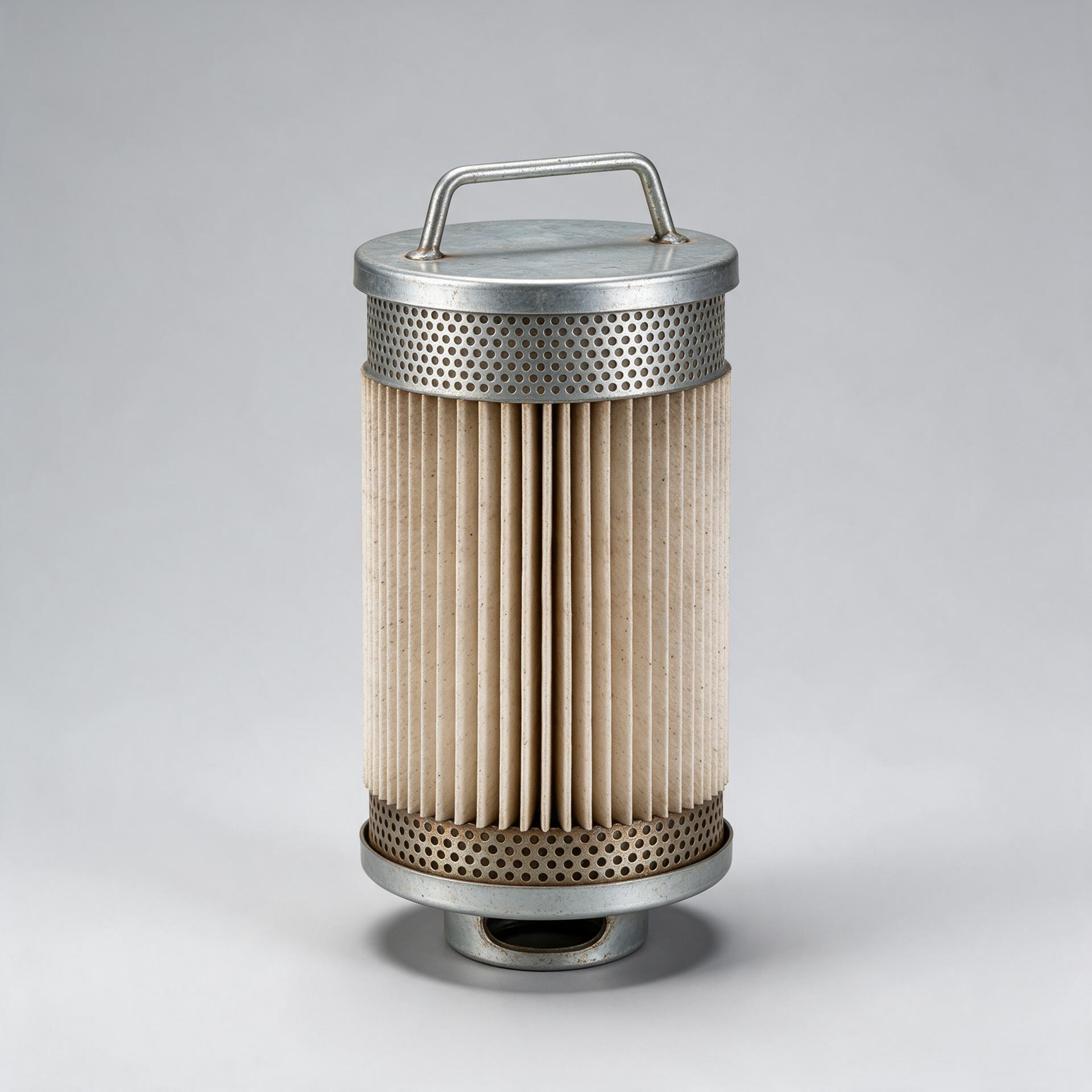
Two values describe a filter: its resistance when clean and its resistance when loaded. A gas turbine inlet air filter should be compared on both. A low clean value is easy to achieve with an open media, but if that media loads quickly the loaded value may become poor. A better choice is a filter that starts moderately low and rises slowly. The knowledge base self-cleaning intake filters are monitored through differential pressure, which lets operators see the rise and act. The conical and cylindrical cartridges use wide pleat depth with inner and outer liner, construction that supports airflow while holding the media steady. Those details help keep the pressure drop curve gentle.
A self-cleaning air intake filter removes collected dust with short cleaning pulses while the machine runs. By limiting the dust layer, it keeps the gas turbine inlet air filter working in a lower resistance band for longer. The knowledge base lists a vertical self-cleaning intake filter series for air compressor inlets from 100 to 1200 cubic metres per minute, which shows the principle in a defined product family. In a turbine filter house the same idea applies: an upstream self-cleaning stage takes the bulk of the dust so the final element does not carry the full load. This reduces the average pressure drop across a shift and steadies fuel consumption. The aim is stability, not a one time low reading.
Pressure drop only saves fuel if someone acts on it. A plant should record the resistance of the gas turbine inlet air filter at fixed intervals and look for a trend rather than a single number. When the loaded value creeps up, check the self-cleaning sequence and the compressed air supply before assuming the element is spent. If cleaning no longer restores resistance, plan a change. This habit keeps the filter in an efficient band and protects compressor efficiency. It also makes the economic case visible: a stable curve means stable fuel consumption. Reviewing specifications and test documents helps the team understand what resistance to expect from a given design.
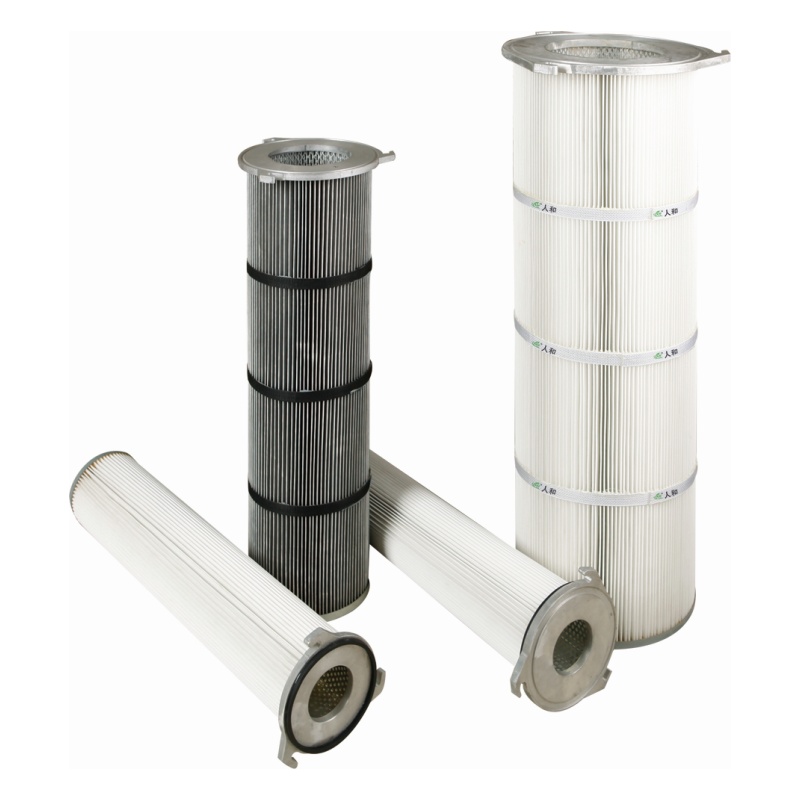
An anonymous industrial site with a dusty intake used a filter house with a self-cleaning first stage and a final gas turbine inlet air filter. Jiangsu Renhe supplied filter cartridges for the intake application. Before the change, the final elements loaded quickly and pressure drop climbed between services. After matching the upstream self-cleaning stage and selecting a cartridge with stable pleat geometry, the plant saw a gentler resistance curve. The operating team could not quote a universal fuel saving percentage, because ambient conditions shifted with the season, but the trend in pressure drop was clear and the compressor ran in a steadier band. That case shows why low resistance is managed as an ongoing practice rather than a one time purchase choice.
There is a limit to how far pressure drop can be reduced. A filter that is too open may allow particles that erode the compressor, and the resulting damage costs far more than any fuel saved. The gas turbine inlet air filter must therefore meet the cleanliness required by the engine while adding as little resistance as possible. Buyers should review efficiency, clean and loaded pressure drop, and the behaviour of the self-cleaning stage together. Compare product options on the whole curve rather than the clean number alone. Requesting material guidance and verifying test documents are sensible steps. A balanced specification protects the turbine and keeps pressure drop and fuel consumption stable across the operating cycle.
Question one: Does a lower pressure drop always save fuel?
Answer: Generally yes for a given mass flow, because the compressor does less work. But the gas turbine inlet air filter must still clean the air enough to protect the engine, so cleanliness sets the lower limit.
Question two: How does self-cleaning help?
Answer: It removes dust from an upstream stage while the turbine runs, which keeps the final gas turbine inlet air filter in a lower resistance band and steadies fuel consumption between services.
Question three: What should I monitor on site?
Answer: Record pressure drop at fixed intervals for both clean and loaded states. Act on the trend by checking the cleaning sequence and planning changes, and verify test documents for expected resistance.
 Hot News
2026-11-22
2026-11-22
2026-11-22
2026-11-22
2026-11-22
2026-11-22
Renhe focuses on air filter cartridge, gas turbine air filter, Pleated Filter Media, industrial dust, Our main products have been recognized as high-tech products in Jiangsu Province, famous trademarks in Wuxi City, and CE certification.
NO. 31 Xingyuan Road, Jiefang Industrial Park, Gushan Town, Jiangyin City, Jiangsu Province, China (214414)
Copyright © 2024 Jiangsu Renhe Environmental Equipments Co., Ltd Privacy Policy
 EN