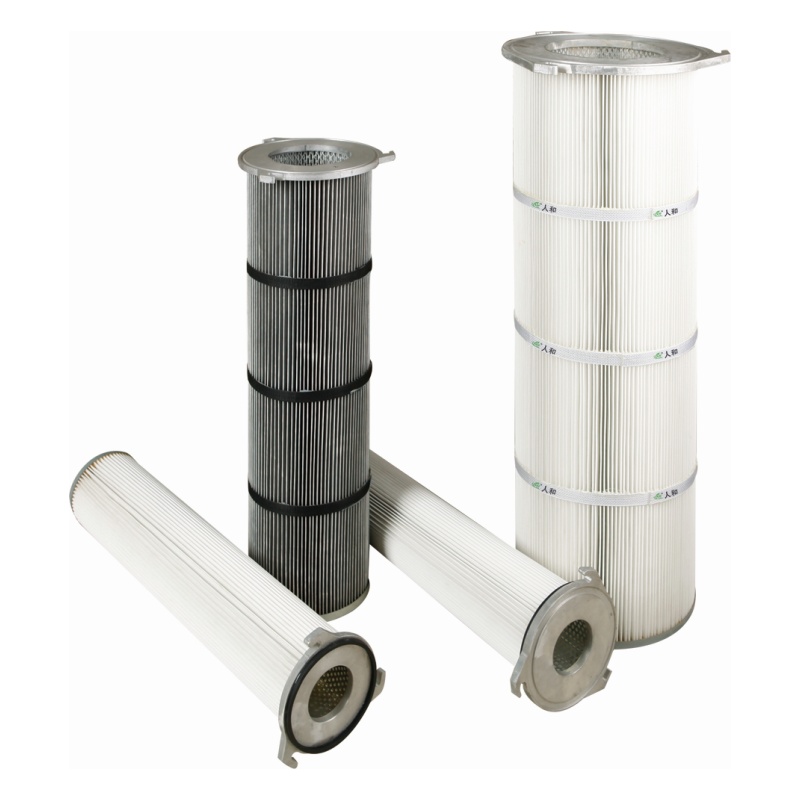
A frequent complaint about dust collection is not that the system stops, but that airflow fades through a shift. The fan is unchanged and the ducts are the same, yet capture at the hood feels weaker by the afternoon. Behind that complaint is usually a dust collector filter cartridge whose resistance changes as it loads and cleans. Consistent airflow is not a property of the fan alone; it is the result of an element that holds its geometry and releases dust predictably. Buyers who compare only nominal airflow and filter area often miss this. This article looks at the element-level reasons for airflow drift and at the checks that reveal them, using general engineering principles rather than unverified numbers.
Consistent airflow means the system delivers usable volume at each hood across the working cycle, not only at commissioning. Three things undermine it: rising resistance as dust accumulates, incomplete cleaning that leaves a residual cake, and mechanical movement inside the element that changes open area. A high quality dust collector filter cartridge addresses all three by keeping the media stable and the pleats evenly spaced. When resistance is predictable, the fan can be sized for a known range instead of a generous guess. Ask how the element behaves after repeated cleaning, not only when new. Consistent airflow across a shift is a better measure of a dust collector filter cartridge than a single peak figure on a datasheet.
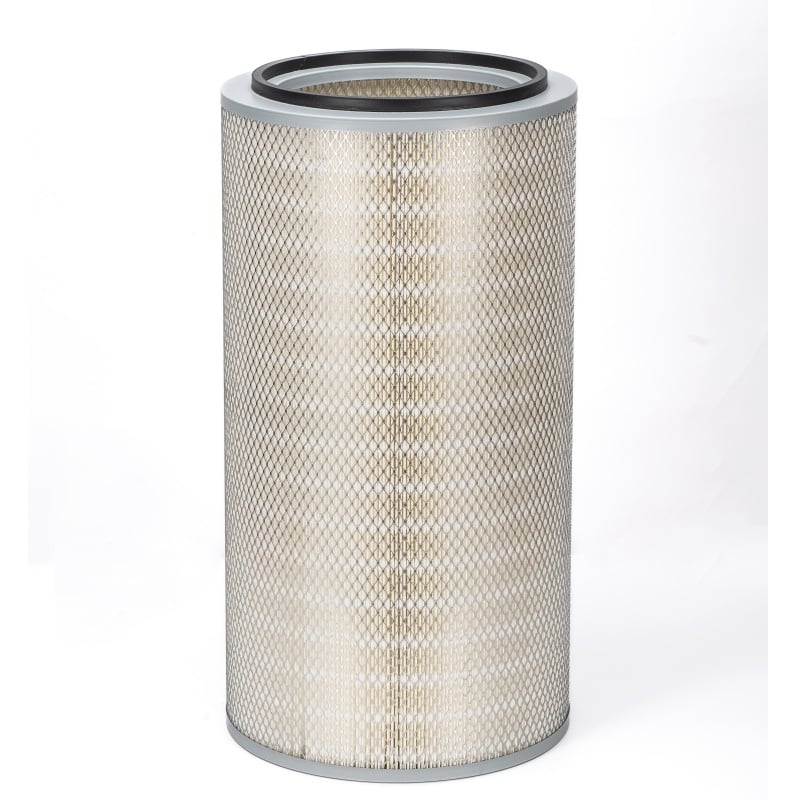
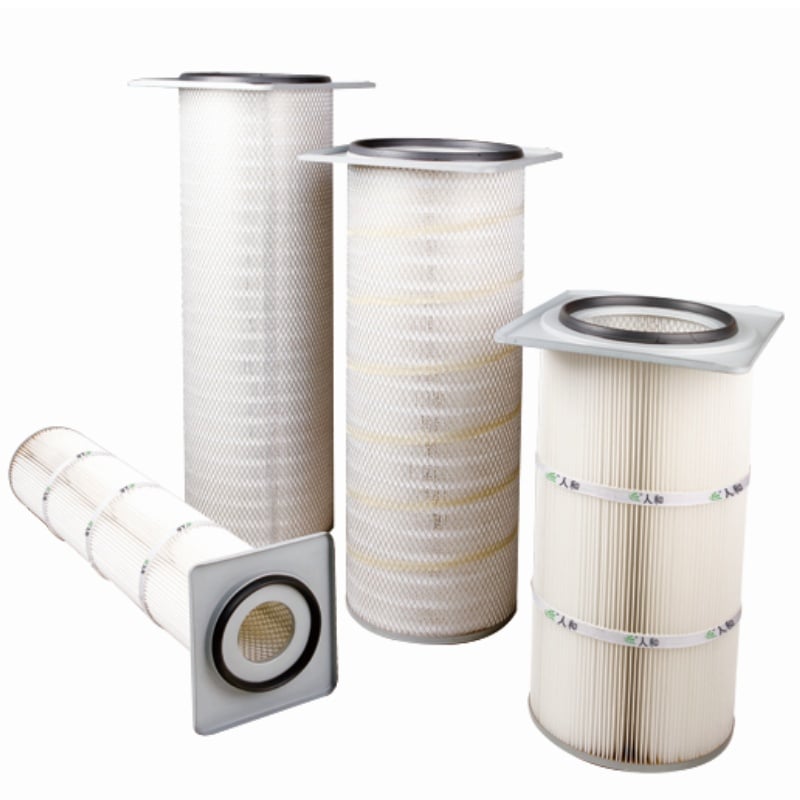
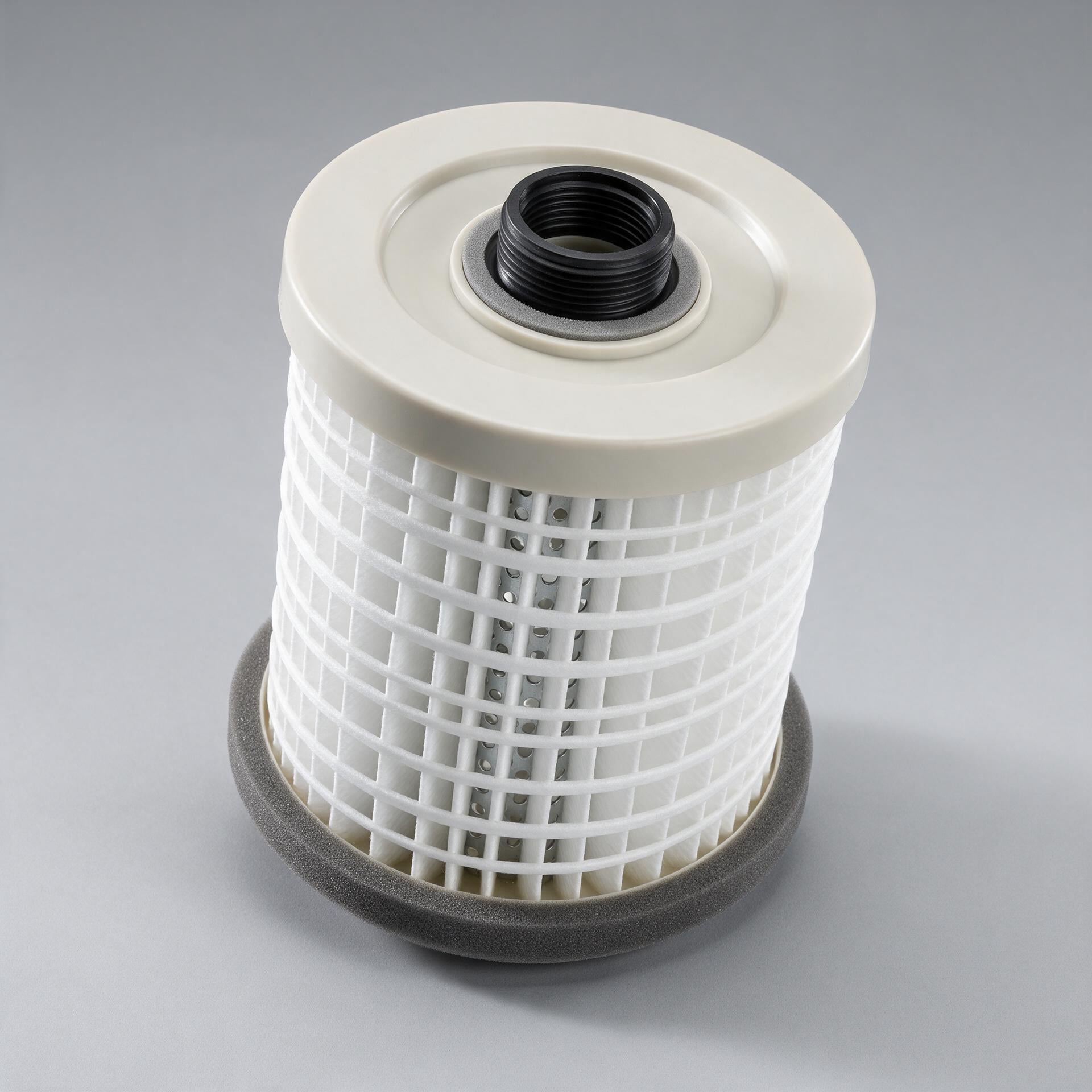
Filter media that stays fixed under pressure is central to that behaviour. Pleated media is supported by inner and outer liners, and the way it is bonded to those liners decides whether it shifts in service. If the filter media walks inside the pleat pack, sections close and effective area falls. That appears as a resistance rise that cleaning does not fully reverse. A dust collector filter cartridge built with fixed media and rigid support keeps flow channels open through repeated pulse cycles. Inspect a cut sample if possible: look for even pleat spacing and secure attachment at the end caps. Filter media that moves is a maintenance liability even when initial efficiency looks good.
Pressure drop is the most practical indicator of airflow stability. Record it at three points: after installation, after a normal cleaning cycle, and at the end of a production run. A dust collector filter cartridge in good condition returns close to its clean baseline after each pulse, with a slow rise in between. If the baseline creeps upward week by week, either the media is loading irreversibly, a seal is bypassing, or the element has deformed. Pressure drop should be logged rather than judged by eye. Review it together with the cleaning sequence, because a change in one often explains a change in the other. Stable pressure drop is the clearest evidence that consistent airflow is being maintained.
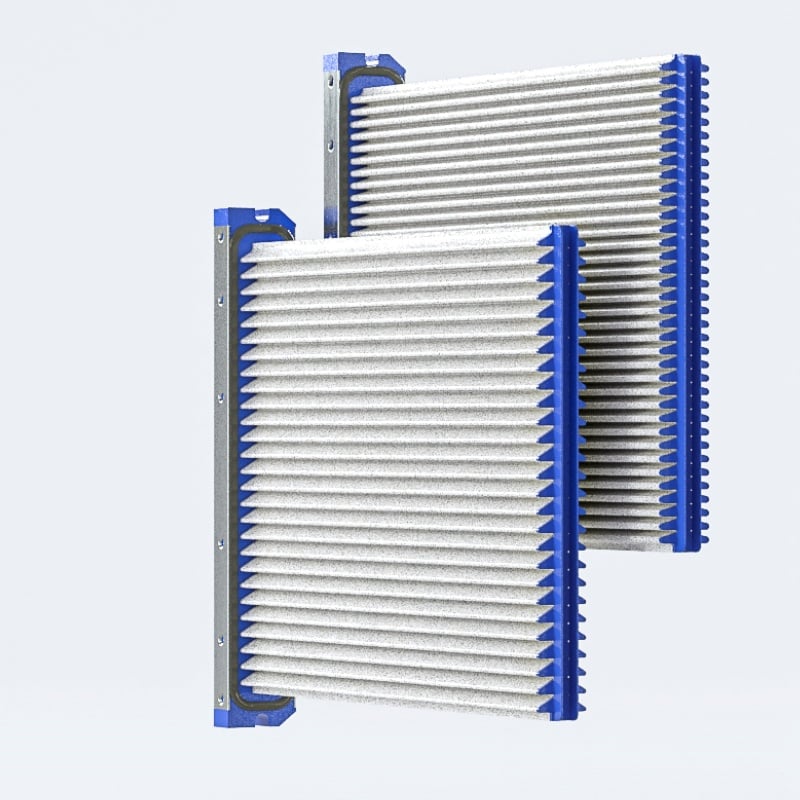
Pleat stability is closely tied to how the element is cleaned. Pulse cleaning should lift the dust cake without driving the folds together or forcing particles deeper into the filter media. Pleat stability depends on fold spacing, support stiffness and pulse energy. A dust collector filter cartridge with good pleat stability releases dust evenly across its surface, so resistance recovers uniformly. Where pleats pinch, airflow concentrates in the open channels and blocked zones do not clean properly. During selection, ask how the supplier prevents pleat pinching and what inspection evidence exists. Pleat stability is not visible from the outside, which is why it belongs in the written specification rather than in an assumption.
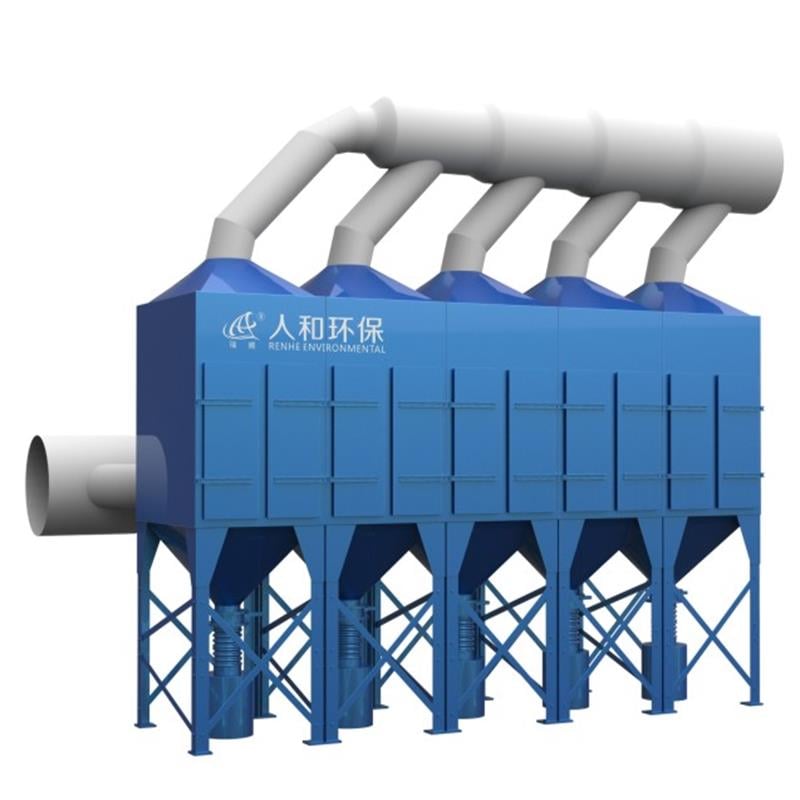
A foundry running a lost-wax casting line in a temperature-controlled hall shows why stability matters. Sand from an automatic drenching station was collected through a hood, carried by ducting to the filtration chamber, and passed through a second-stage high-efficiency unit before the clean-air plenum. Cleaned air was returned to the workshop to avoid heating and cooling losses. Here consistent airflow was essential: an unstable dust collector filter cartridge would have reduced capture at the sand drop point and forced the plant to vent conditioned air outdoors. The reported capture rate was above ninety-eight percent. The maintenance team logged pressure drop across the shift and selected a dust collector filter cartridge with fixed media and stable pleats, so cleaning restored the original airflow rather than a slightly lower version each time.
Write the operating envelope into the request. State the required airflow range, the cleaning method and the pressure drop you consider acceptable at the end of a run. Ask how the filter media is fixed to the support and how pleat stability is verified. Request a pressure drop trace from a comparable installation. Then ask for material guidance and review specifications before you choose a dust collector filter cartridge for a line where consistent airflow is part of the process.
Question one: Why does airflow fall when the fan has not changed?
Answer: Because resistance at the dust collector filter cartridge rises as dust loads. If cleaning does not return that resistance to its baseline, the same fan moves less air. Check the element before adjusting the fan.
Question two: How can I tell whether filter media is moving?
Answer: Watch the pressure drop after cleaning. A stable element returns near its clean baseline; one whose filter media has shifted keeps a higher residual reading. A cut sample gives a clearer answer.
Question three: Is a high initial airflow rating enough?
Answer: No. Ask whether consistent airflow is maintained after many cleaning cycles. On a dust collector filter cartridge, pleat stability and a fixed media structure matter more than a single peak figure.
 Hot News
2026-11-21
2026-11-21
2026-11-21
2026-11-21
2026-11-21
2026-11-20
Renhe focuses on air filter cartridge, gas turbine air filter, Pleated Filter Media, industrial dust, Our main products have been recognized as high-tech products in Jiangsu Province, famous trademarks in Wuxi City, and CE certification.
NO. 31 Xingyuan Road, Jiefang Industrial Park, Gushan Town, Jiangyin City, Jiangsu Province, China (214414)
Copyright © 2024 Jiangsu Renhe Environmental Equipments Co., Ltd Privacy Policy
 EN