Ask a powder coating operator where the overspray goes and the honest answer is often that it goes into the filter. That answer hides a second question: can it be brought back into the process? In a coating booth, a significant share of the sprayed material does not land on the workpiece. Whether that material becomes waste or useful feedstock depends largely on the industrial filter cartridge that separates it from the air. Buyers often compare booths on conveyor speed and gun configuration, then discover too late that filtration decides the running cost. This article explains the role of the cartridge, the conditions that protect powder recovery, and the checks worth making before a specification is signed. Recovery percentages are not quoted because they depend on the specific line.
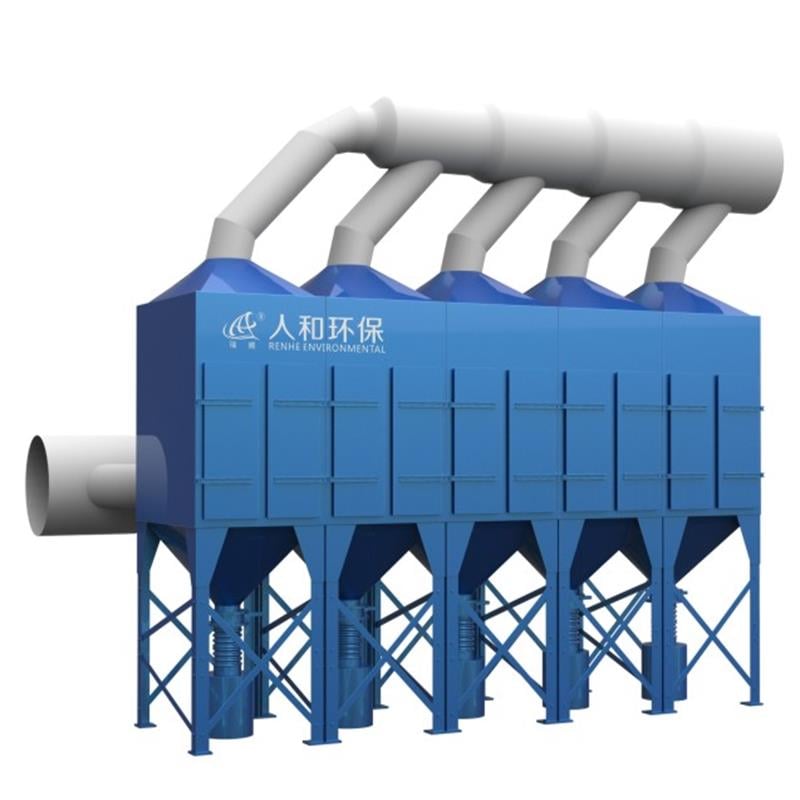
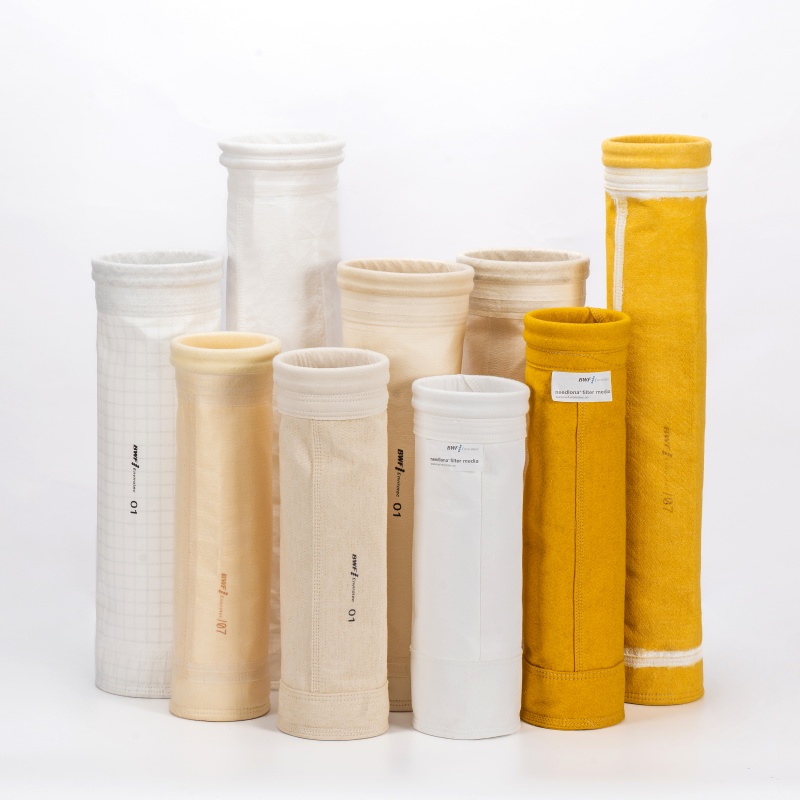
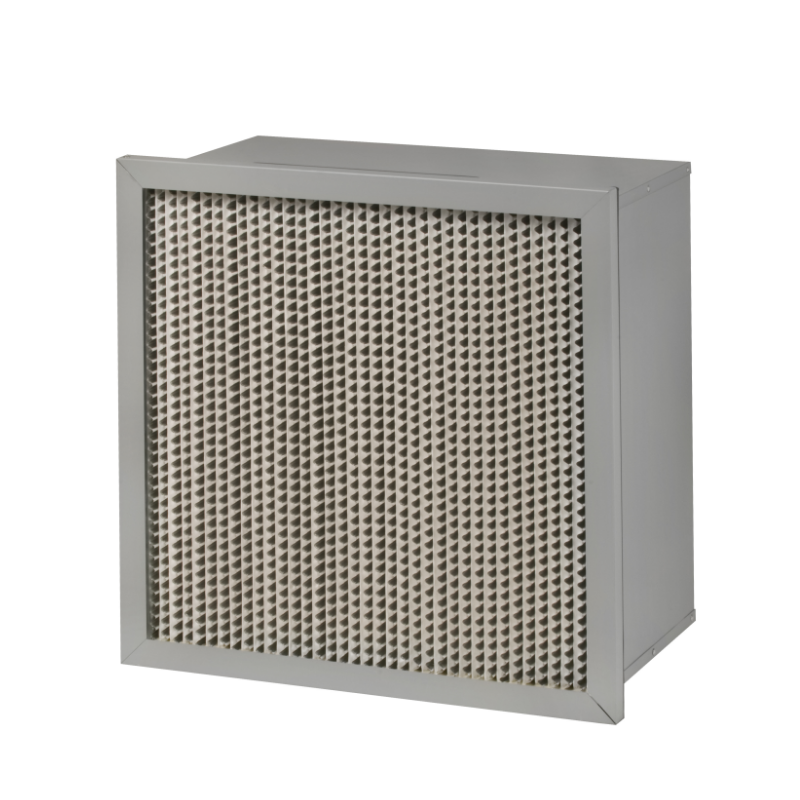
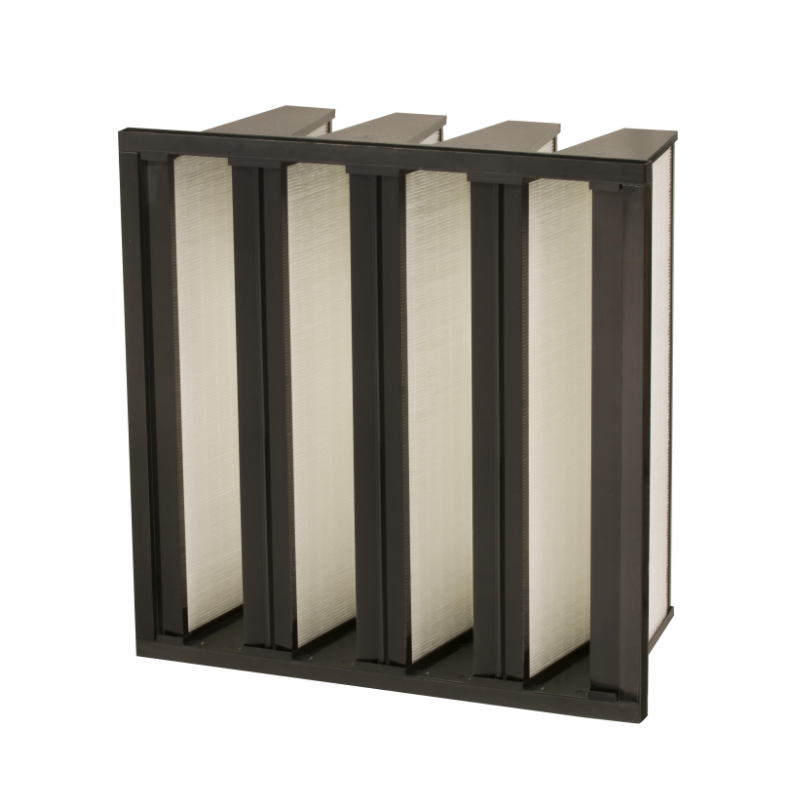
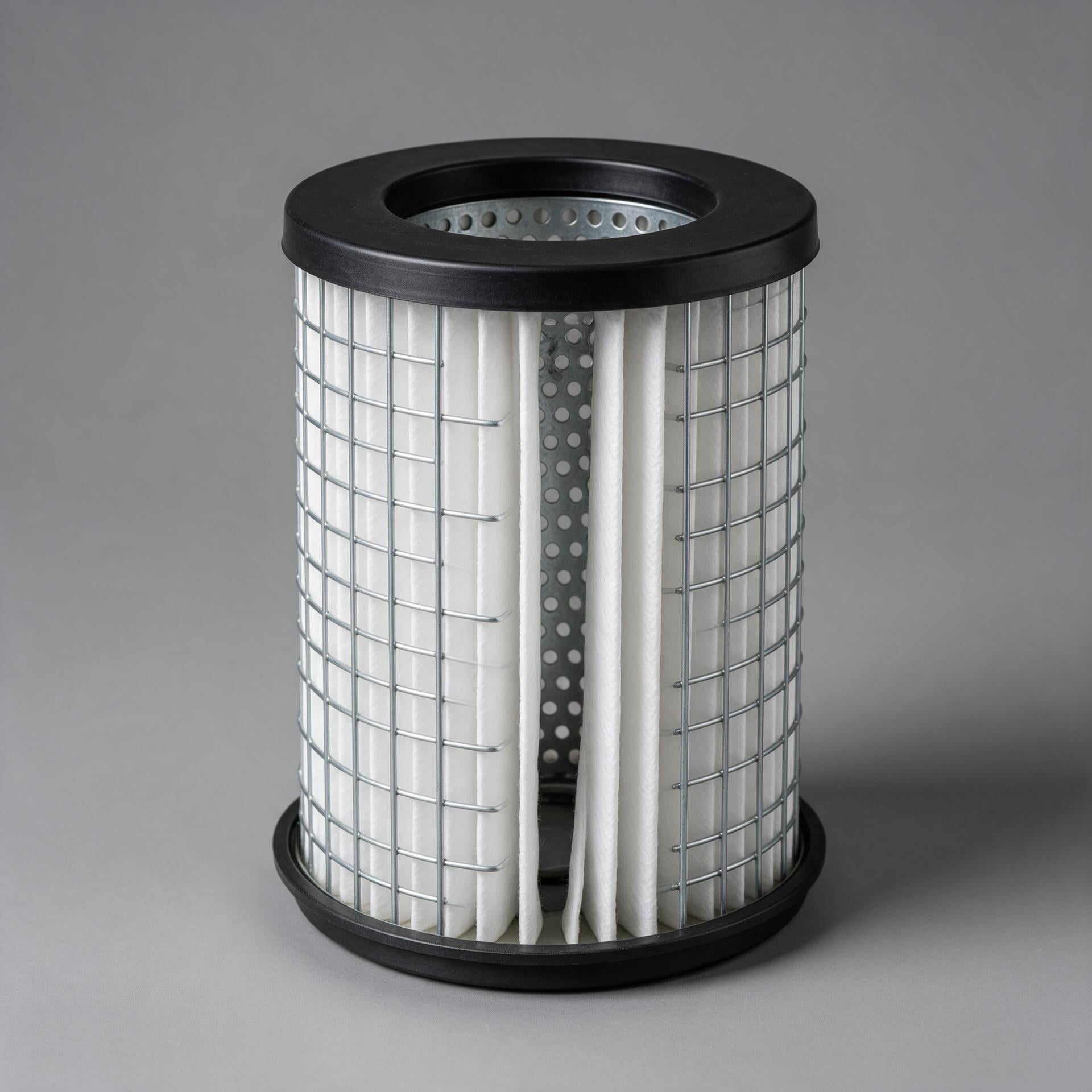
In a typical booth, air is drawn across the work zone and carries overspray to a bank of filters. An industrial filter cartridge provides the surface on which powder particles collect while cleaned air passes through. The element may be mounted horizontally or vertically depending on booth design, and access for change-out matters more than many buyers expect. High dust-holding capacity is useful because it lengthens the interval between changes, but capacity alone is not enough. The industrial filter cartridge must also give up collected powder cleanly when the system pulses or the element is serviced. Ask how the booth handles change-out without spreading powder back into the workspace. Powder coating lines run continuously, so service design has a direct cost effect.
Powder recovery is decided as much by release as by capture. A filter media that holds powder too tightly traps value inside the element; one that releases too freely can let fine particles pass through. The practical goal is a surface that builds a manageable layer and gives it back when the system pulses or the cartridge is removed. This is why powder recovery belongs in the same discussion as the cleaning method. A supplier quoting only a filtration efficiency figure has not answered the question. Ask how the filter media behaves after repeated pulse cleaning and whether released powder falls into a collection path instead of being re-entrained. Powder recovery is a system outcome, not a single number.
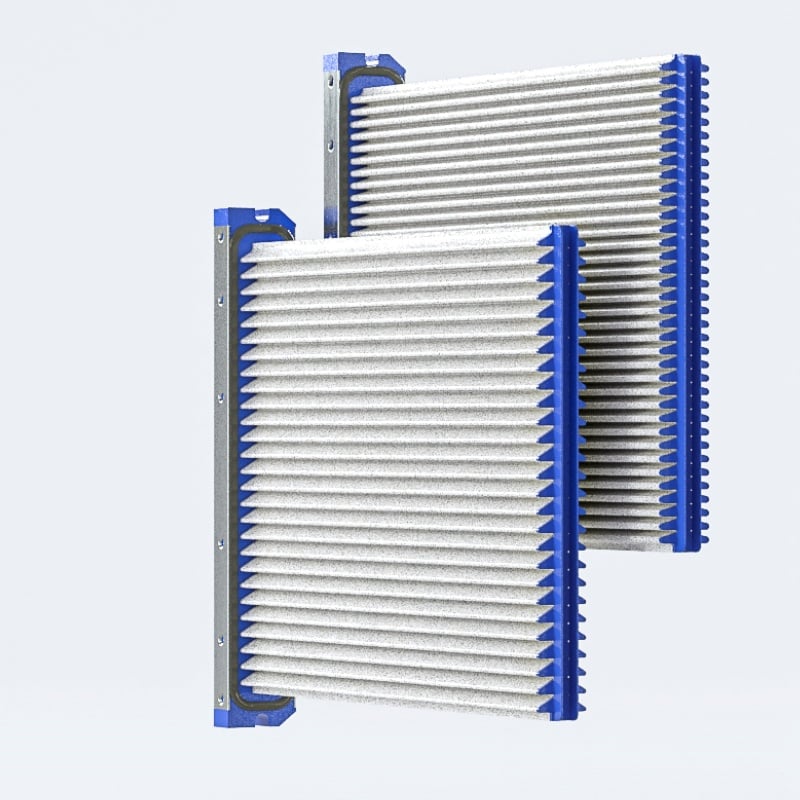
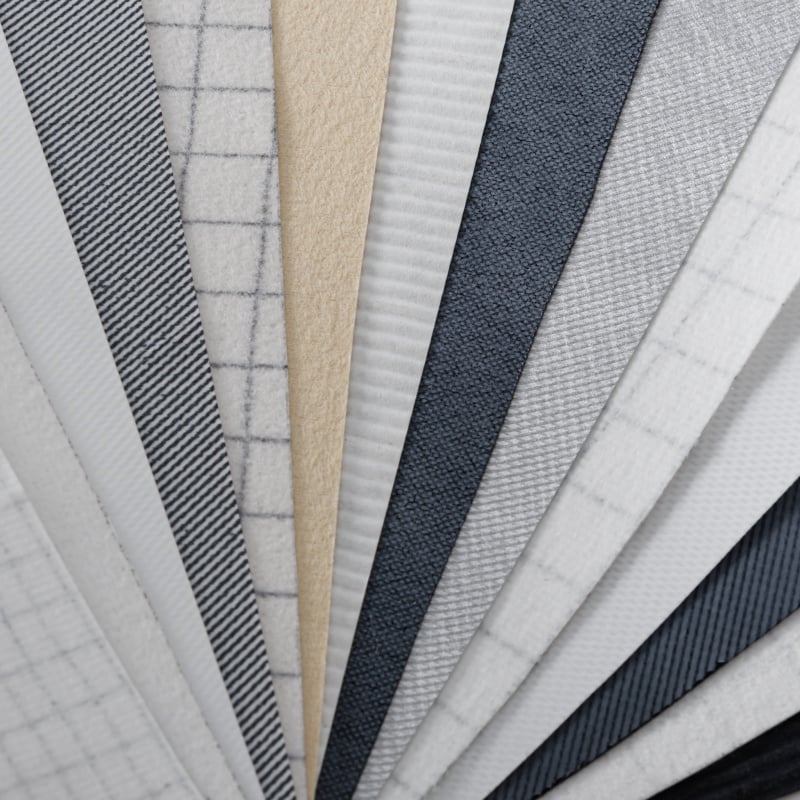
Powder coating powder is dry, fine and often charged, and that shapes media selection. A pleated element increases surface area in a compact housing, letting the booth hold airflow without an oversized filter room. The filter media is usually selected for release behaviour and resistance to blinding rather than extreme temperature duty. In a powder coating line, humidity control around the booth also matters: damp powder clumps and will not flow back to the gun. When comparing an industrial filter cartridge for this duty, ask about the support structure and how the filter media is fixed at the end caps. A stable element keeps the collection surface consistent, which protects powder recovery across the shift.
Keeping reclaimed powder usable requires attention beyond the filter. Overspray that has been collected must stay separate from floor dust, metal particles and other contamination. The ducting and collection hopper should therefore be cleanable, and the change-out procedure should not spill collected powder back into the booth. Ideally the reclaimed material is screened before it returns to the feed system. The industrial filter cartridge is one link in this chain; the rest is housekeeping discipline. Buyers assessing powder recovery should ask where collected powder goes after it leaves the element and who handles it. Clear answers here matter more than a generic claim about savings.
A knowledge-base case from a controlled-environment foundry illustrates the capture-and-return principle, even though the material is sand rather than coating powder. Sand from an automatic drenching station was drawn through a hood, carried in ducting to a filtration chamber and passed through a second-stage high-efficiency unit before the clean-air plenum. Cleaned air was returned to the workshop to avoid heating and cooling losses, and the reported capture rate exceeded ninety-eight percent. For a powder coating line the same logic applies: an industrial filter cartridge that captures reliably and returns clean air lets the plant keep conditioned air inside and recover material instead of discarding it. The anonymous case is not a powder recovery figure; it shows why stable capture and a clean return path matter.
Describe the powder type and booth airflow. Ask how the industrial filter cartridge is accessed and changed. Ask what evidence exists for release behaviour after cleaning. Ask how reclaimed powder is kept separate from contamination. Then request material guidance and review specifications before you commit to a powder recovery arrangement.
Question one: Can all collected overspray be reused?
Answer: Only if it stays clean. Overspray captured by an industrial filter cartridge can return to the process, but contamination from floor dust or metal particles limits reuse. Define the screening step before you count the saving.
Question two: Which filter media suits powder coating duty?
Answer: For powder coating, choose filter media for release behaviour and resistance to blinding rather than for temperature extremes. Confirm how the industrial filter cartridge is supported at the end caps.
Question three: Does a higher filtration rating improve powder recovery?
Answer: Not necessarily. Powder recovery depends on how cleanly the collected material is released and kept separate. Confirm the handling path before paying for a higher rating.
 Hot News
2026-11-22
2026-11-22
2026-11-22
2026-11-22
2026-11-22
2026-11-22
Renhe focuses on air filter cartridge, gas turbine air filter, Pleated Filter Media, industrial dust, Our main products have been recognized as high-tech products in Jiangsu Province, famous trademarks in Wuxi City, and CE certification.
NO. 31 Xingyuan Road, Jiefang Industrial Park, Gushan Town, Jiangyin City, Jiangsu Province, China (214414)
Copyright © 2024 Jiangsu Renhe Environmental Equipments Co., Ltd Privacy Policy
 EN