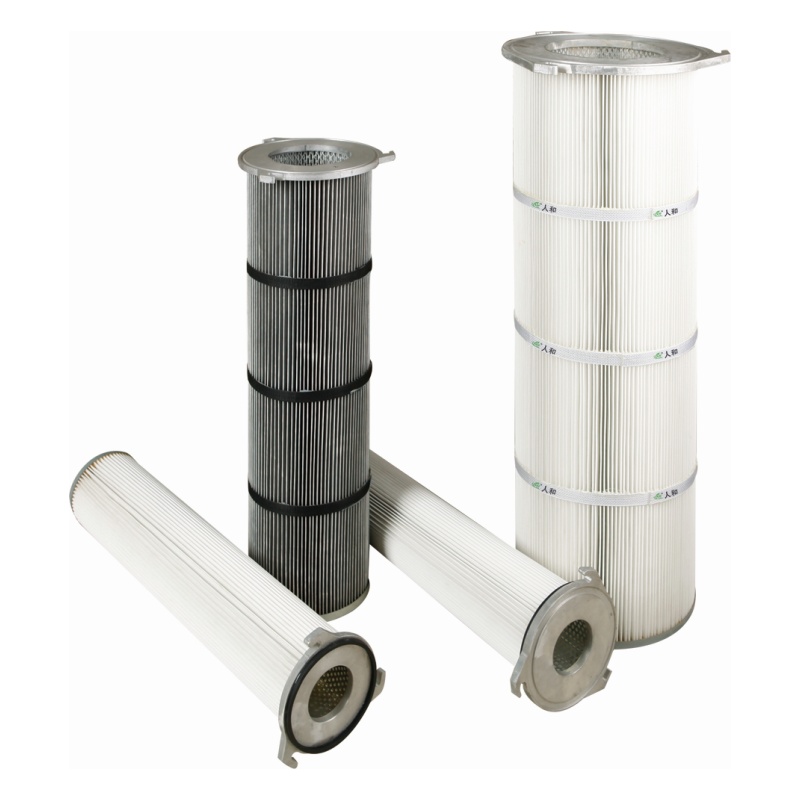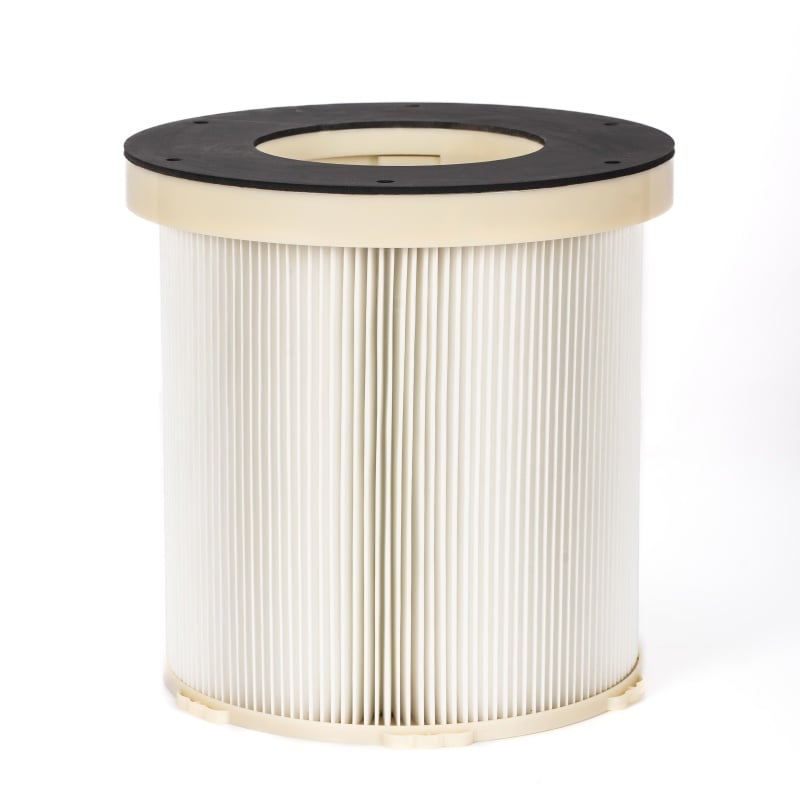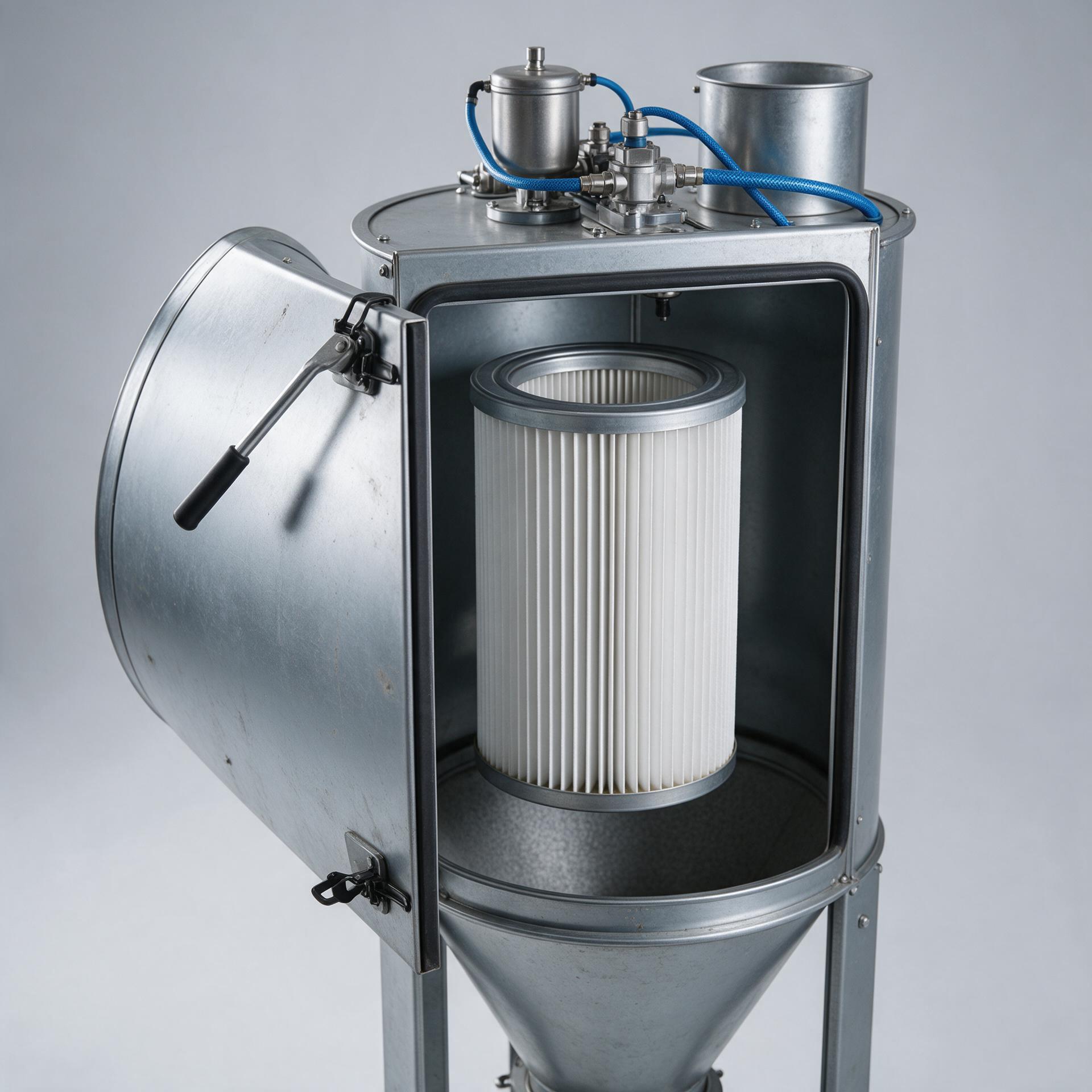
A dust collector filter cartridge that fails early is rarely a defective product; more often it is the result of poor cleaning practice. Pulse cleaning removes the dust cake that builds on pleated filter media, but done badly it can drive dust deeper into the fibres or stress the pleats. Buyers who focus only on the quoted filter cartridge life miss the bigger picture: the cleaning setup, the resistance trend, and daily operating discipline all decide how long a cartridge actually lasts. A collector that is cleaned too harshly can look well maintained while its media is slowly being destroyed. This guide explains the practical controls that protect your investment, keep pressure drop predictable, and hold the system stable through long production runs.
A cleaning burst sends a short pulse of compressed air through the cartridge from the clean side, flexing the media and dislodging the dust cake. The goal is to clean enough to restore flow without stripping the useful dust layer or stressing the pleats. A well-tuned pulse cleaning sequence uses the right air pressure, duration, and interval. Too gentle, and the dust collector filter cartridge stays loaded with high resistance; too aggressive, and the media can be damaged or dust can be pushed back into the fabric. The clean side must also carry the dislodged dust away effectively, otherwise particles settle back onto the pleats almost immediately.
Pressure drop is the most honest indicator of filter condition. A new dust collector filter cartridge starts at a low initial resistance and rises as dust loads; cleaning brings it back down. If the cleaned reading climbs steadily over weeks, the cartridge is blinding or the pulse cleaning is ineffective. Track both the clean and the dirty resistance values, not just one number. Working resistance in the hundreds of pascals and a terminal resistance near the upper limit are useful reference points from supplier data. Watch how the pressure drop changes over time to trigger maintenance rather than replacing on a fixed calendar date, because two cartridges in the same housing can age quite differently depending on the dust and the shift pattern.
The pulse cleaning cycle should respond to demand, not run on a fixed timer. On-line systems clean one row at a time while the collector stays in service, which keeps resistance stable. Set the interval wide enough that each burst has a dust cake to remove, then shorten it as loading increases. Confirm the compressed air supply is dry and at the specified pressure, since moisture can blind pleated filter media. Where dust is fine or sticky, a lower air-to-media ratio gives the dust collector filter cartridge more room and reduces cleaning frequency. A setting that works in a dusty summer shift may be too aggressive in a clean winter one, so revisit the timer whenever the process changes.
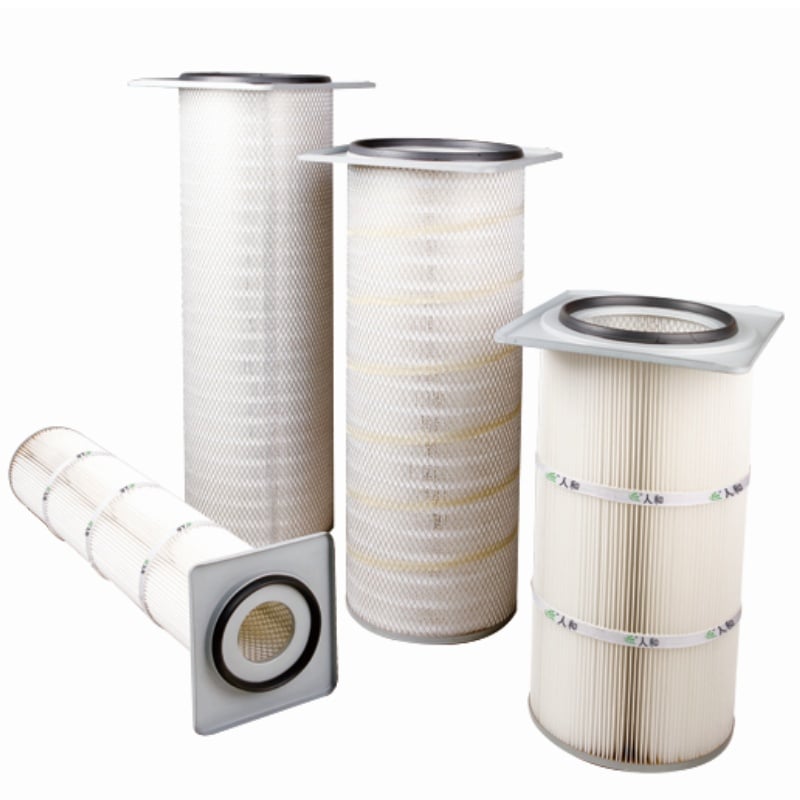
Not all media respond to cleaning the same way. Standard cellulose blends suit many dry dusts, while PTFE-coated media release sticky dust at lower pressure drop and protect the pleat structure. Anti-static media are specified where combustible dust is present, with grounding checked during maintenance. A superfine fibre layer increases surface efficiency and dust holding capacity, which extends filter cartridge life under pulse cleaning. When you compare a dust collector filter cartridge option, ask about the media construction and the dust-holding figures rather than relying on a single efficiency claim.
In a fabrication shop handling mixed grinding and welding dust, cartridges were being replaced far sooner than expected. Review showed the pulse cleaning timer was firing too often at low pressure drop, which kept tearing at the pleats and redepositing dust. The team reset the cycle to run on demand, verified the compressed air was dry, and switched to a dust collector filter cartridge with coated pleated filter media better suited to the fine fraction. Within a few months the cleaned pressure drop stabilised and the expected filter cartridge life was approached. The case shows that longer life often comes from better cleaning discipline, not from buying a larger unit.
A frequent error is cleaning only when a pressure drop alarm sounds, rather than watching the trend; by then the dust collector filter cartridge may be heavily loaded. Another is ignoring compressed air quality, where oil or water damages pleated filter media from the inside. Over-tightening gaskets or installing the wrong end cap can also shorten filter cartridge life. Keep a simple log of pressure drop before and after cleaning, pulse settings, and replacement dates. Review specifications with the supplier when the trend changes, and verify test documents for any new media before switching.
Question one: How do I know when pulse cleaning is set correctly?
Answer: Watch the cleaned pressure drop. If it stays stable over many cycles and visible dust does not pass downstream, the pulse cleaning setup is adequate for your dust collector filter cartridge.
Question two: Can better media really extend filter cartridge life?
Answer: Yes. Coated or superfine fibre pleated filter media release dust more easily and hold more dust, which lowers pressure drop and extends filter cartridge life under regular pulse cleaning.
Question three: What should I record to diagnose early cartridge failure?
Answer: Log pressure drop trends, pulse pressure and interval, compressed air quality, and replacement dates. Review specifications and verify test documents when you change media or dust type.
 Hot News
2026-11-22
2026-11-22
2026-11-22
2026-11-22
2026-11-22
2026-11-22
Renhe focuses on air filter cartridge, gas turbine air filter, Pleated Filter Media, industrial dust, Our main products have been recognized as high-tech products in Jiangsu Province, famous trademarks in Wuxi City, and CE certification.
NO. 31 Xingyuan Road, Jiefang Industrial Park, Gushan Town, Jiangyin City, Jiangsu Province, China (214414)
Copyright © 2024 Jiangsu Renhe Environmental Equipments Co., Ltd Privacy Policy
 EN