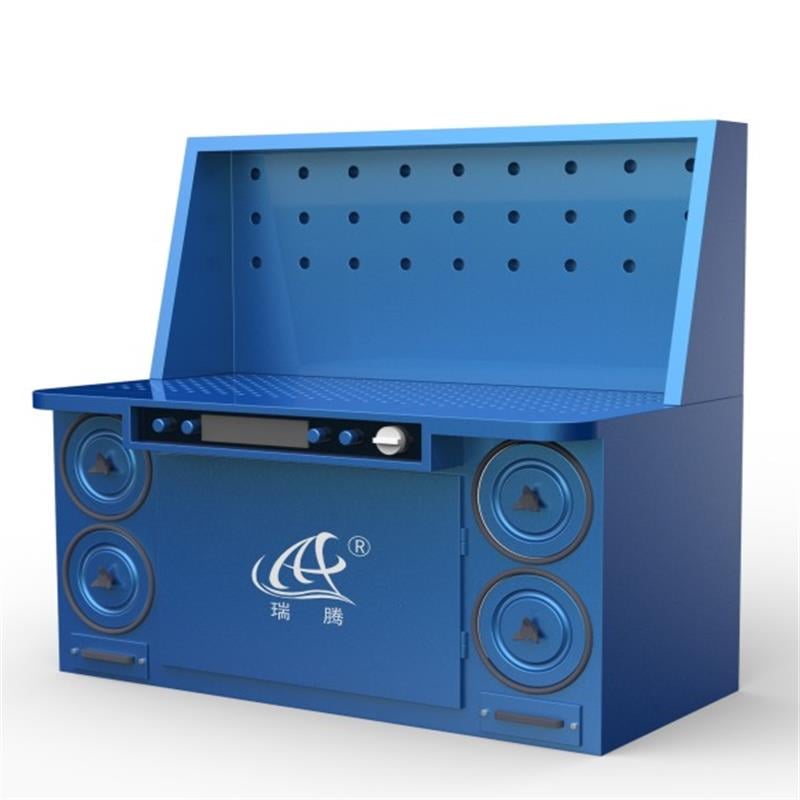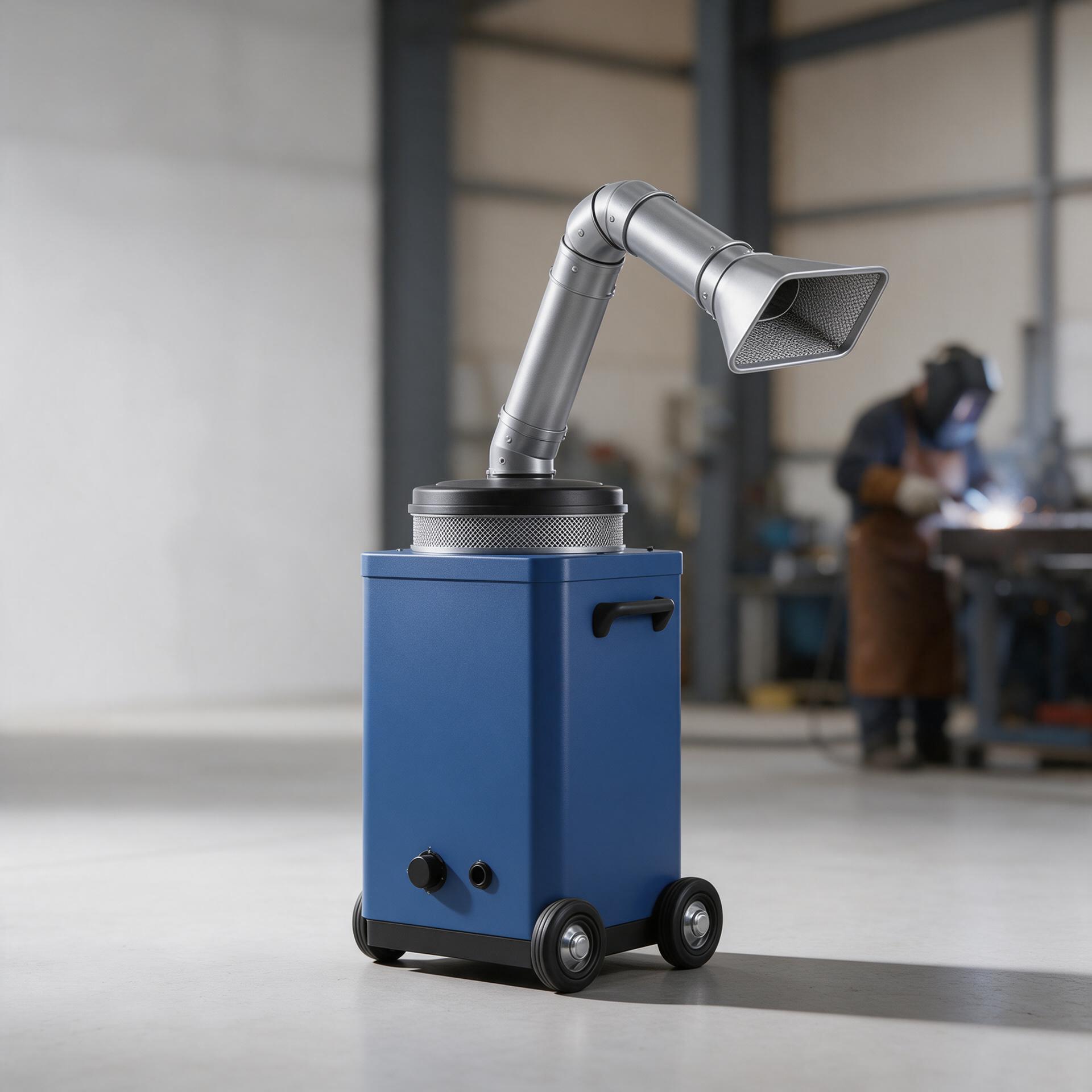
Metal fume is generated at the arc, stays airborne for a long time, and drifts with shop currents. If the only response is a roof fan, the plume travels past another worker before it thins out. A welding fume extractor is the practical answer when workshop air quality must stay stable through a full shift. This guide follows the decisions a fabrication shop actually makes: how a welding fume extractor captures the plume, how the air is filtered and returned, and what a reviewer expects in writing when OSHA compliance is questioned. Welding fume control starts with the work, not a product.
The plume is most concentrated near the arc, so an inlet placed there moves far less air than a ceiling system trying to dilute an entire bay. A welding fume extractor works by intercepting the plume before it crosses a breathing zone. A fume extraction arm gives the operator direct control over inlet position. Treating welding fume control as a capture problem first makes later decisions about media and fan power easier to justify, and a correctly placed welding fume extractor does more for workshop air quality than a larger fan.
A fixed hood or backdraft enclosure suits repeatable work at one bench. When the component is large and the weld point moves, a flexible fume extraction arm lets the operator reposition the inlet as the job progresses. For very large assemblies, a distributed blow and suck arrangement uses a supply inlet and a suction inlet at different heights, forming an air curtain that drives the plume into a collection zone. A welding fume extractor matched to the wrong task will be bypassed by the operator, and workshop air quality suffers no matter how good the filter is. A welding fume extractor with a flexible arm is often the most versatile choice for mixed work.
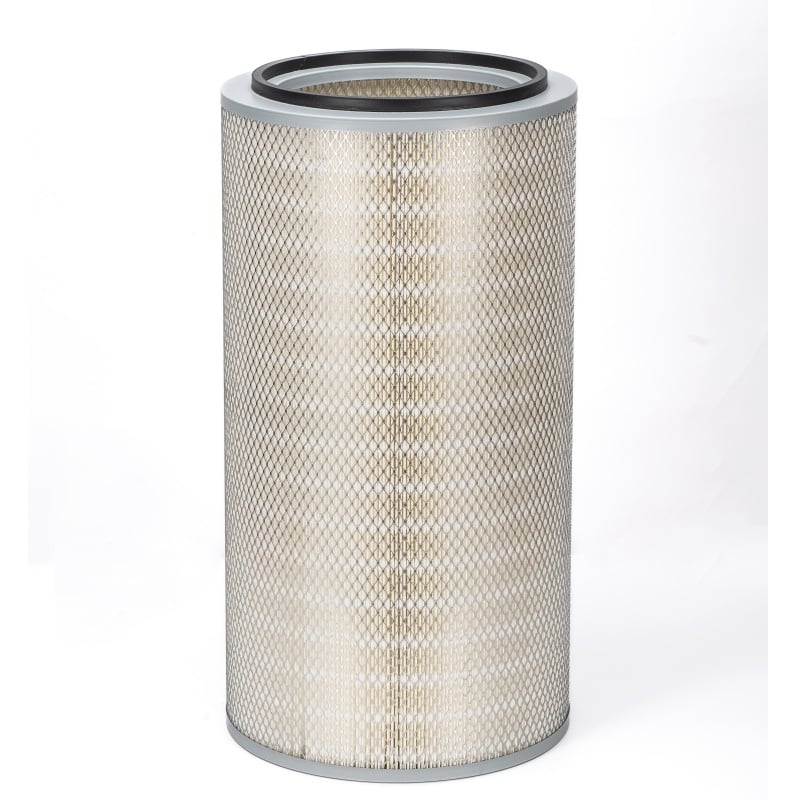
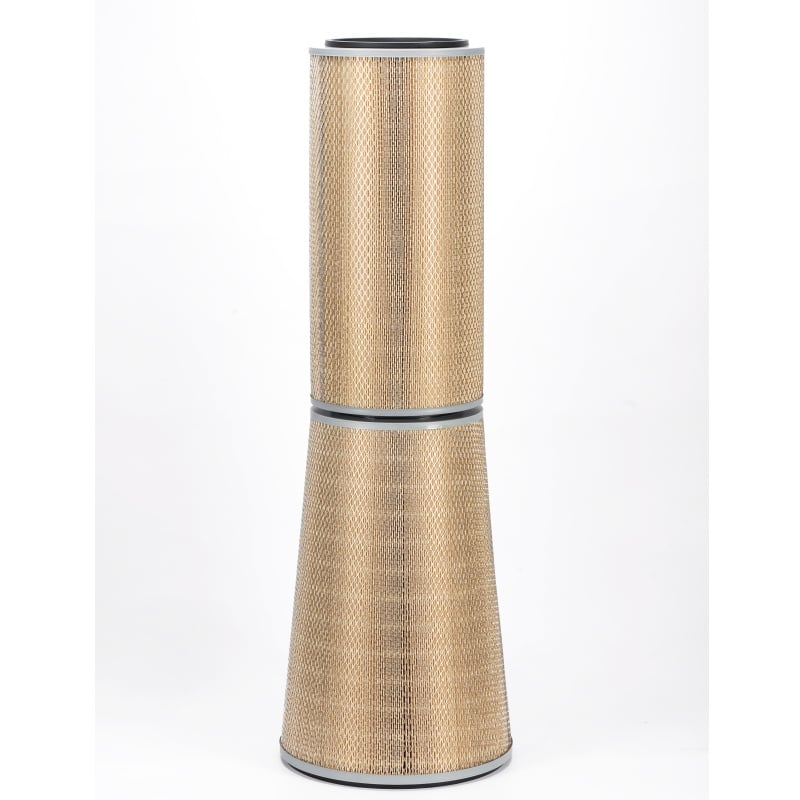
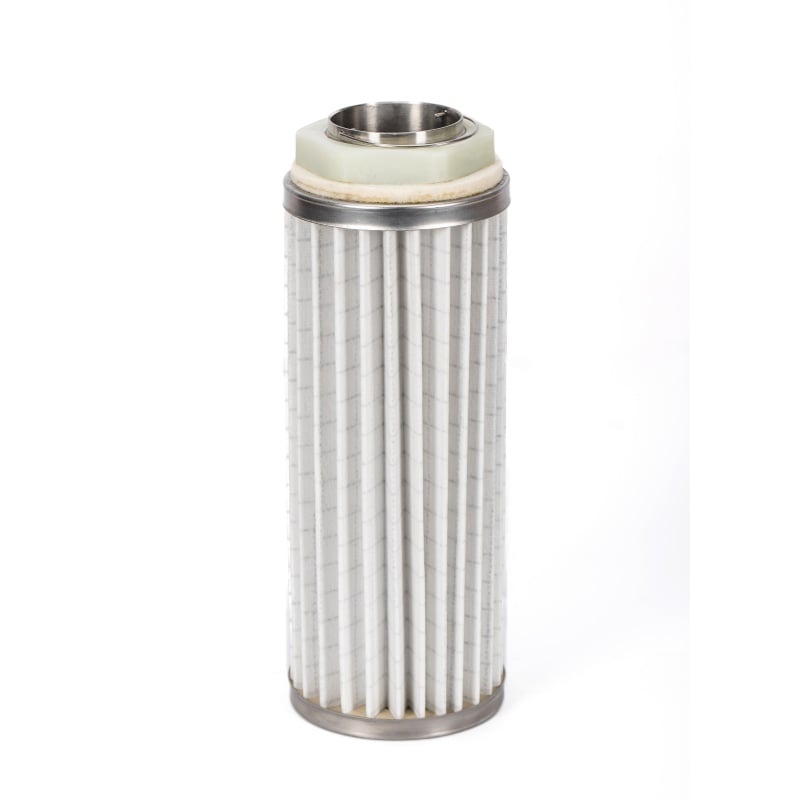
Fine welding particles are held by pleated media or a cartridge stage, and systems that return air to the shop add a high efficiency stage for the finest fraction. HEPA media is often quoted at 99.97 percent capture of 0.3 micron particles, which is why it is specified where recirculation is allowed. For workshop air quality, what matters is whether the media is maintained: monitor pressure drop and change elements when a cleaned filter still holds high resistance. The welding fume extractor you choose determines how often that media must be changed. If the collected dust is combustible, confirm an anti static stage and a verified grounding path. A welding fume extractor that recirculates cleaned air reduces heating and cooling losses, but that saving should follow reliable welding fume control rather than replace it.
An OSHA compliance review is rarely satisfied by a machine on the floor. The reviewer wants a chain: the source was identified, a control was selected, it was used, and its performance was checked. Keep records of airflow checks, filter changes, any exposure monitoring, and maintenance carried out on the fume extraction arm or hood. A welding fume extractor should be written into that plan as one control among several. Document where each welding fume extractor is positioned and why. A supplier with filtration experience and certification documents can support the technical side, but the operating records remain yours. Compare product options and verify test documents rather than relying on a verbal assurance about OSHA compliance.
A multinational heavy industry enterprise building tower and crawler cranes welded large carbon steel components with MAG and argon arc processes at moving points. A single fixed hood could not follow the arc, so the team installed a distributed blow and suck system: supply openings at roughly four metres and suction openings at roughly nine metres, facing each other to form a controlled air curtain and a local downward recirculation zone. This welding fume extractor arrangement captured the plume near its source and fed it to filtration instead of letting it spread through the bay. The lesson for welding fume control transfers to any shop with moving weld points: let collection follow the work, then size the filter for what was actually captured.
Buyers often shortlist on fan rating alone and then find that duct losses consume the published figure. Ask for measured airflow at the inlet, not just a catalogue maximum, and check it against the number of stations running at the same time. Another mistake is treating workshop air quality as a one time test; a welding fume extractor delivers steady results only when capture, filtration, and maintenance work together across the year. These checks do more for OSHA compliance than any single specification line.
Question one: Can a welding fume extractor guarantee OSHA compliance?
Answer: No single unit can. OSHA compliance depends on exposure control, correct use, and records. A welding fume extractor is one element of a broader welding fume control plan that also covers maintenance and monitoring.
Question two: Which capture device suits a moving weld point?
Answer: A flexible fume extraction arm or a blow and suck air curtain usually works better than a fixed hood when the arc travels across a large part. Match the device to the motion to keep workshop air quality steady.
Question three: Is it acceptable to return filtered air to the shop?
Answer: Usually yes, provided the filtration stage suits the finest particles and the media is maintained. Confirm the efficiency class and track pressure drop before you rely on a welding fume extractor for recirculation.
 Hot News
2026-11-22
2026-11-22
2026-11-22
2026-11-22
2026-11-22
2026-11-22
Renhe focuses on air filter cartridge, gas turbine air filter, Pleated Filter Media, industrial dust, Our main products have been recognized as high-tech products in Jiangsu Province, famous trademarks in Wuxi City, and CE certification.
NO. 31 Xingyuan Road, Jiefang Industrial Park, Gushan Town, Jiangyin City, Jiangsu Province, China (214414)
Copyright © 2024 Jiangsu Renhe Environmental Equipments Co., Ltd Privacy Policy
 EN