Filter cartridges are often the largest recurring cost in a dust collection budget, yet many plants replace them on a fixed schedule whether they need it or not. A washable replacement filter cartridge changes that math by letting you clean and reuse the element instead of buying a new one each cycle. The saving is real only if the media survives repeated washing and still meets the efficiency your process requires. This guide covers how to judge service life, how to compare consumable cost, and what to check before you switch.
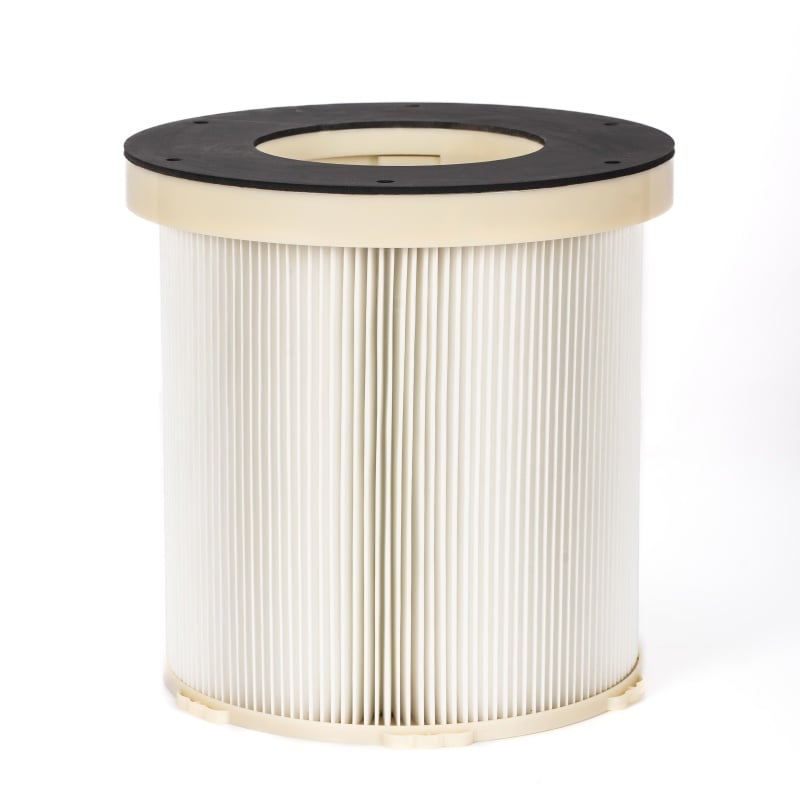
A washable replacement filter cartridge is built with media and construction that tolerate cleaning rather than disposal. Pleated media gives the element a large surface in a compact shape, and an inner and outer liner keeps the pleats from collapsing when pressure rises. In a reusable design the seams and end caps are chosen to survive repeated wet cleaning and drying. That does not mean every cartridge can be washed; the media and adhesive must be rated for it. Ask the supplier to confirm the washable claim in writing before you build it into your budget.
Filter service life is driven by dust load and cleaning quality, not by the calendar. Track pressure drop across the cartridge during operation and after each pulse or wash. When cleaned pressure drop stays high, the element is loading faster than it releases dust. A washable filter should recover close to its original resistance after washing; if it does not, the media may be blinded. Inspect the pleats for damage and check that the gasket still seals. Treat those readings as the replacement trigger rather than a fixed month count. That approach protects filter service life and avoids premature replacement of a washable filter.
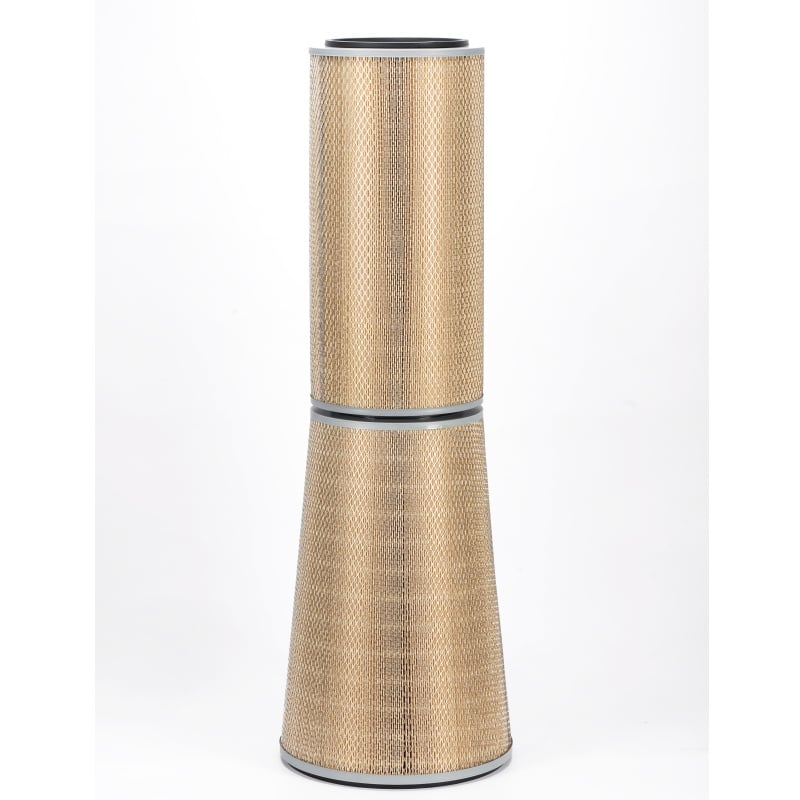
Unit price alone is a poor way to buy filters. A cheaper disposable element may need replacing several times a year, while a washable replacement filter cartridge costs more upfront but spreads that cost over many cleaning cycles. Lifecycle cost includes the element, labor for changeouts, downtime, and disposal. To compare fairly, estimate how many cleaning cycles a cartridge survives before the media degrades. Conical designs with higher dust holding capacity can extend intervals between cleanings, lowering the effective filter consumable cost. Put those numbers in a simple table and review them with your maintenance team. A clear filter consumable cost baseline makes the comparison fair.
Media selection decides whether a washable filter makes sense. For sticky dust, a PTFE coated surface releases the dust cake more easily and helps keep pressure drop low, which protects the pleats. For dry, high-load dust, a robust pleated medium with wide pleat depth holds more dust between cleanings. Anti-static media is worth considering where the dust is combustible, together with a verified grounding path. The right choice reduces the number of wash cycles the replacement filter cartridge must endure, which extends filter service life and lowers filter consumable cost over a year.
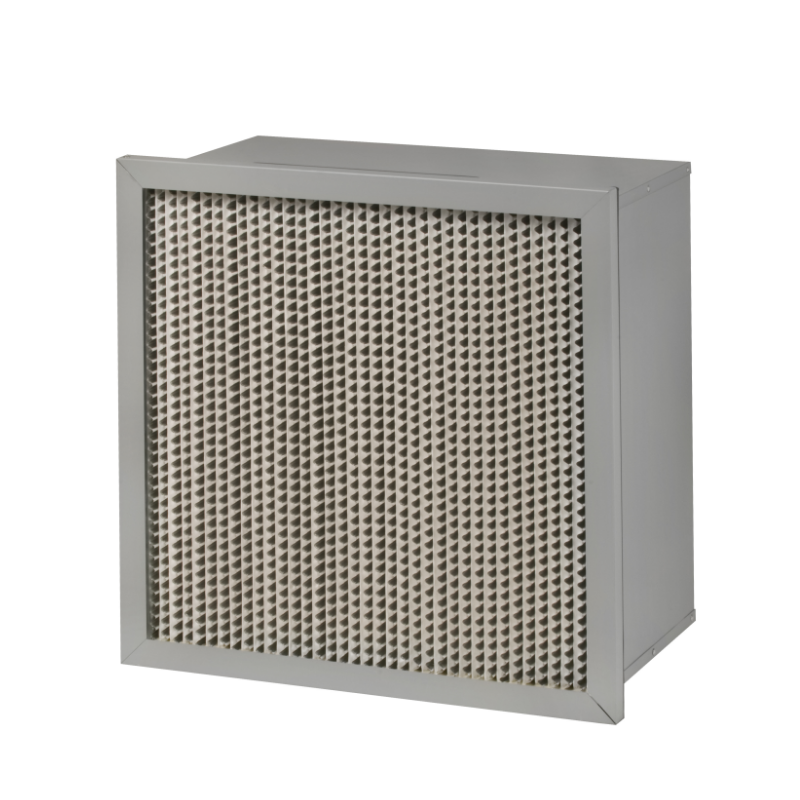
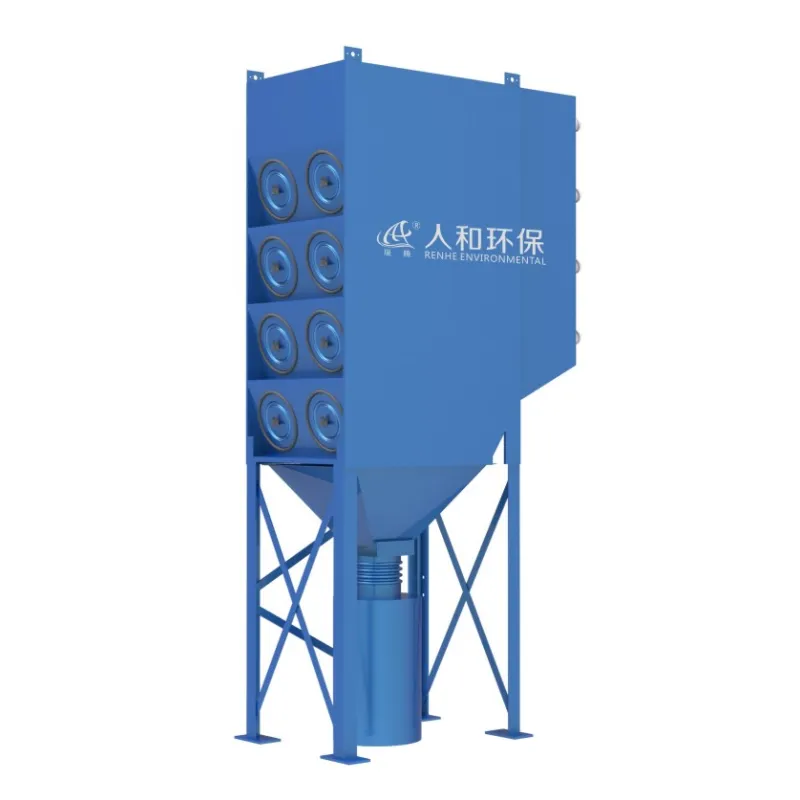
Consider the same temperature and humidity controlled foundry where an automatic sand drenching line captured dust at the sand pipe, passed it through a collector and a second high-efficiency stage, and returned cleaned air to the workshop. That recirculation cuts heating and cooling losses, but only if the filter keeps working reliably. In such a setup a washable replacement filter cartridge can lower filter consumable cost because the dry dust releases well during cleaning and the element is reused. The case shows that washability pays off when dust type, cleaning method, and media choice align. A washable filter also cuts filter consumable cost in a recirculating system.
Confirm the cartridge size, end cap style, and gasket match your housing before ordering a washable replacement filter cartridge. Ask about tested efficiency, the number of wash cycles the media tolerates, and any certification relevant to your market. A supplier with two decades of filtration experience can document performance for the media and liners. Ask how a replacement filter cartridge is rated for repeated washing. Compare product options, request material guidance, and verify test documents rather than trusting a general washable claim. A washable filter is only a good buy when the numbers support it.
Question one: Does a washable replacement filter cartridge always lower cost?
Answer: Not always. It pays off when labor and downtime for changeouts are significant and the media survives many wash cycles. If the element degrades quickly, a standard replacement filter cartridge may cost less per year.
Question two: How do I know when a washable filter can no longer be reused?
Answer: Watch cleaned pressure drop and inspect the media. If resistance stays high after washing, or pleats are damaged and the gasket no longer seals, the replacement filter cartridge should be replaced.
Question three: Which dust is hardest on a washable filter?
Answer: Sticky or oily dust binds to the media and resists release. A PTFE coated surface can help, but confirm the cleaning method with the supplier before you commit. Filtration media choice sets filter service life for a washable filter.
 Hot News
2026-11-22
2026-11-22
2026-11-22
2026-11-22
2026-11-22
2026-11-22
Renhe focuses on air filter cartridge, gas turbine air filter, Pleated Filter Media, industrial dust, Our main products have been recognized as high-tech products in Jiangsu Province, famous trademarks in Wuxi City, and CE certification.
NO. 31 Xingyuan Road, Jiefang Industrial Park, Gushan Town, Jiangyin City, Jiangsu Province, China (214414)
Copyright © 2024 Jiangsu Renhe Environmental Equipments Co., Ltd Privacy Policy
 EN