An industrial filter cartridge has a rated max airflow for a reason: beyond it, the media works harder than it was designed to. In the field it is common to find a system pushed above that limit to meet production demand, with the belief that more air means more capture. The immediate signs can be subtle, but the long-term result is higher pressure drop, damaged media, and shorter service intervals. If you are specifying or troubleshooting a cartridge dust collector, understanding what happens above max airflow helps you avoid costly mistakes. This guide covers the mechanisms and how to build airflow margin into cartridge selection.
The max airflow printed on an industrial filter cartridge reflects the media area, pleat geometry, and the face velocity the media can tolerate. It is a ceiling, not a recommended operating point; filter media damage becomes likely when the limit is ignored. Running at or near the limit leaves no room for dust loading, fan variation, or a filter that is partly blinded. A sensible design keeps normal operation comfortably below max airflow, so short surges do not push the system into a damaging regime. Treat the published figure as a boundary when you compare an industrial filter cartridge against your duty.
The first consequence of excess airflow is a rapid rise in pressure drop. As velocity through the pleats increases, the dust cake compacts and the fan works harder to move the same air. An industrial filter cartridge running above its design point will reach terminal resistance sooner, triggering more frequent pulse cleaning and higher compressed-air use. The fan may also drift off its efficient operating range, wasting energy. If pressure drop climbs soon after a clean replacement, suspect the airflow rather than blaming the media quality. Check the fan curve and any damper settings before drawing conclusions, since a system that was balanced for one product mix can drift when the process changes.
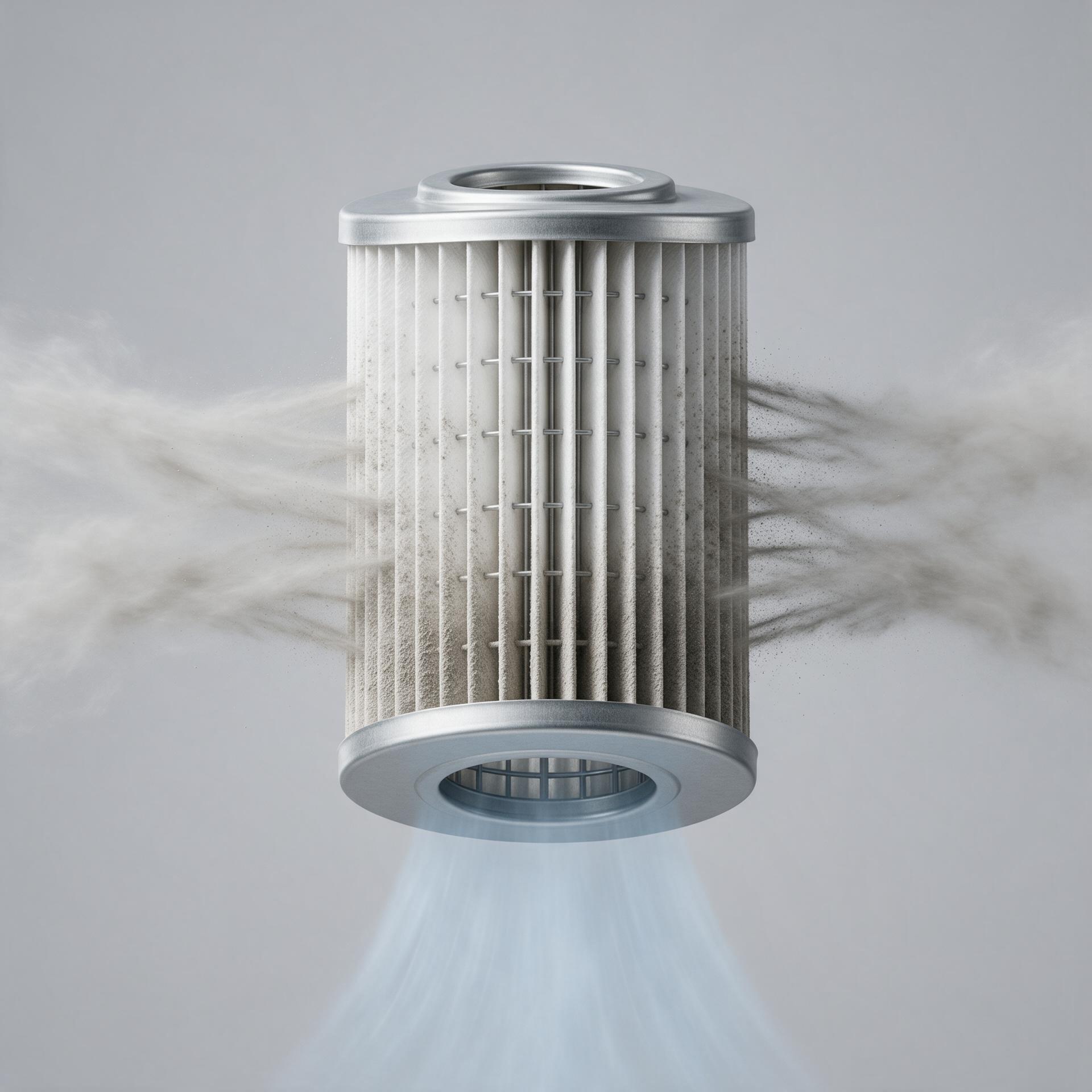
Beyond pressure drop, high face velocity drives particles deeper into the fibres instead of letting them form a removable surface cake. This is how filter media damage begins: dust lodged inside the media cannot be released by pulse cleaning, so resistance stays high. In sticky or fine dust applications the effect is accelerated. Coated media resist this better, but no industrial filter cartridge is immune to sustained over-velocity. Once the media is blinded, the only remedy is early replacement, which erodes any apparent saving from running the fan harder.
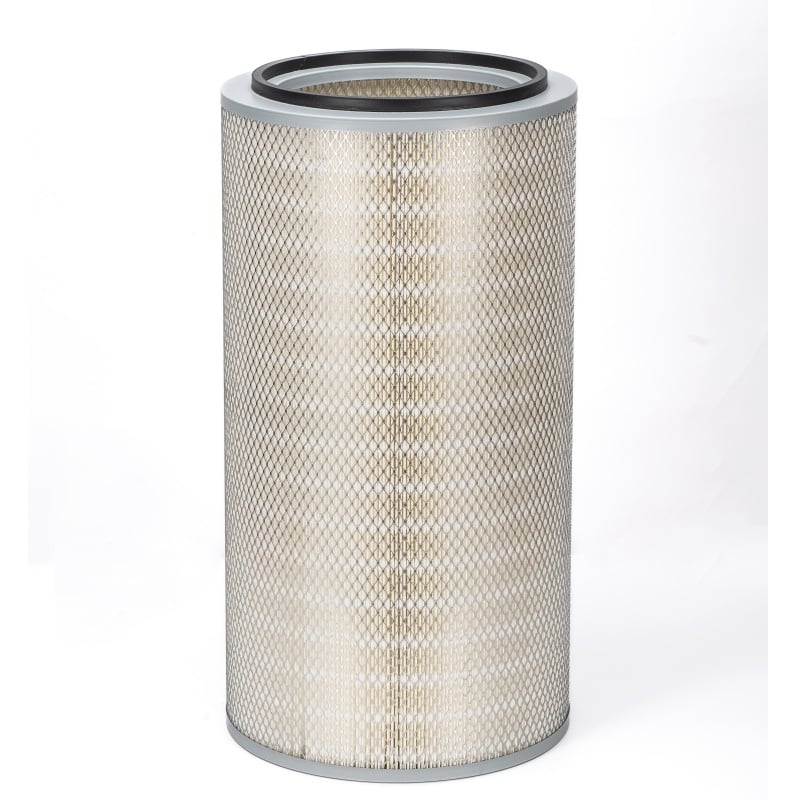
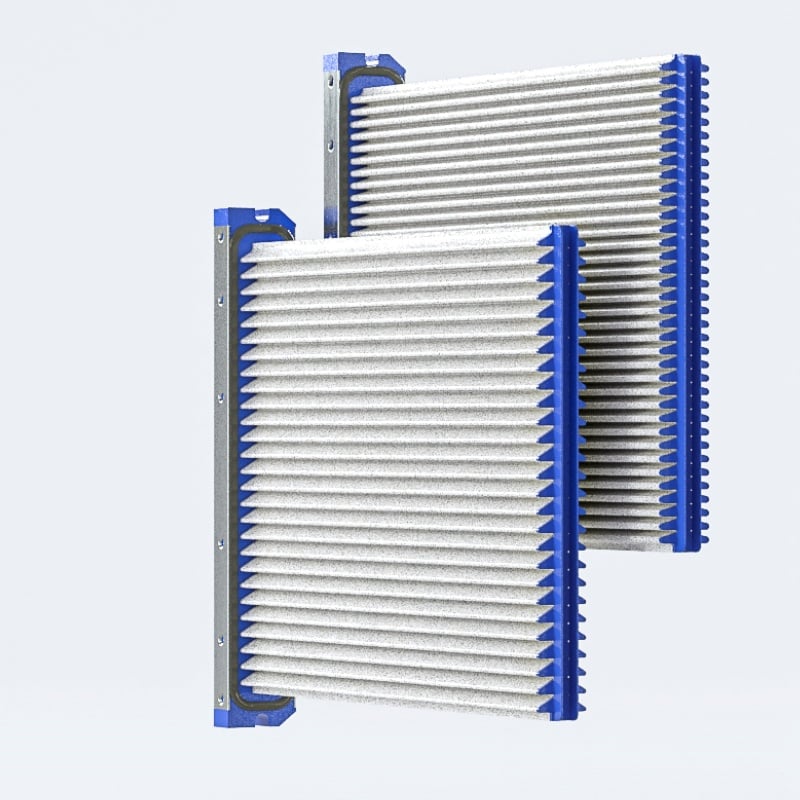
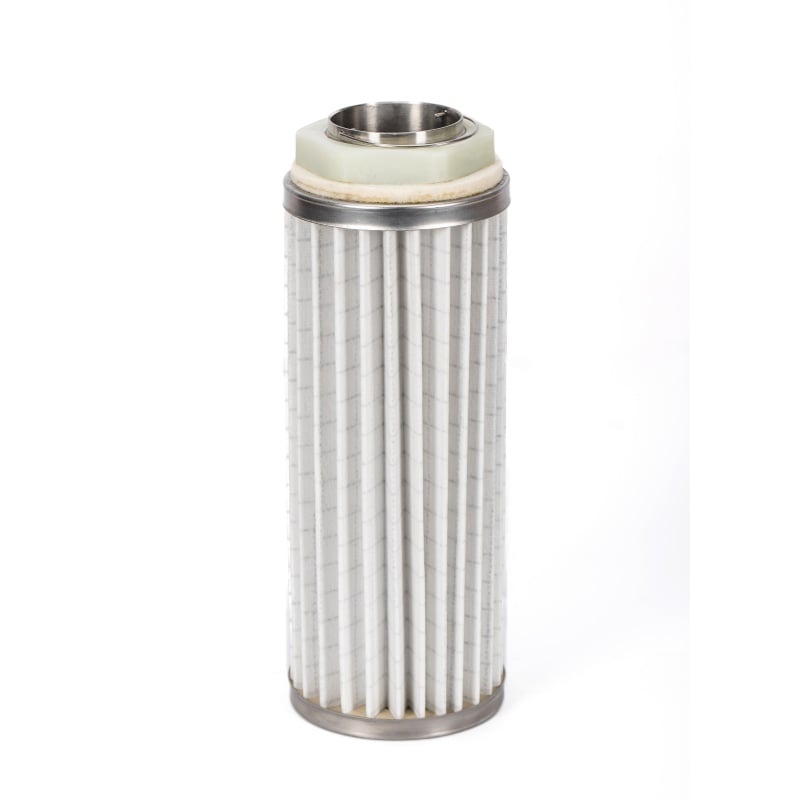
A less visible risk is pleat pinching. At excessive airflow and pressure drop, the pressure difference across the media can squeeze pleats together, collapsing the channels that carry air. Once pleats pinch, effective area falls and pressure drop rises further, creating a vicious cycle. Check pleat spacing, the support cage or liner, and the end-cap integrity when you inspect an industrial filter cartridge that has run hot. Cartridges with inner and outer liners and a fixed pleat structure resist pinching better than loosely constructed alternatives. This is a point worth raising during cartridge selection, because two units with the same nominal rating can behave very differently once the pleats are under load.
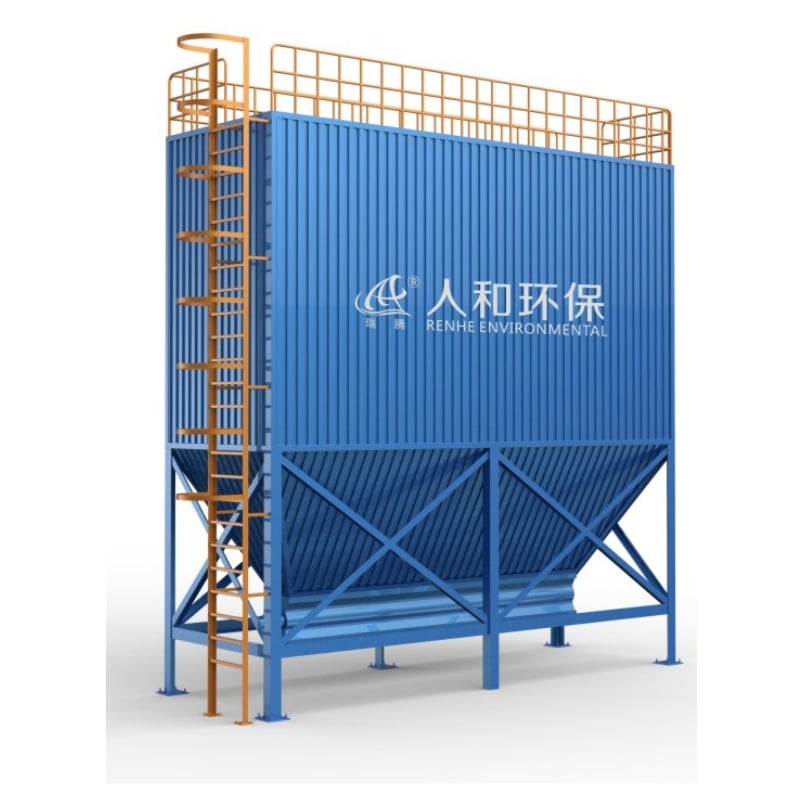
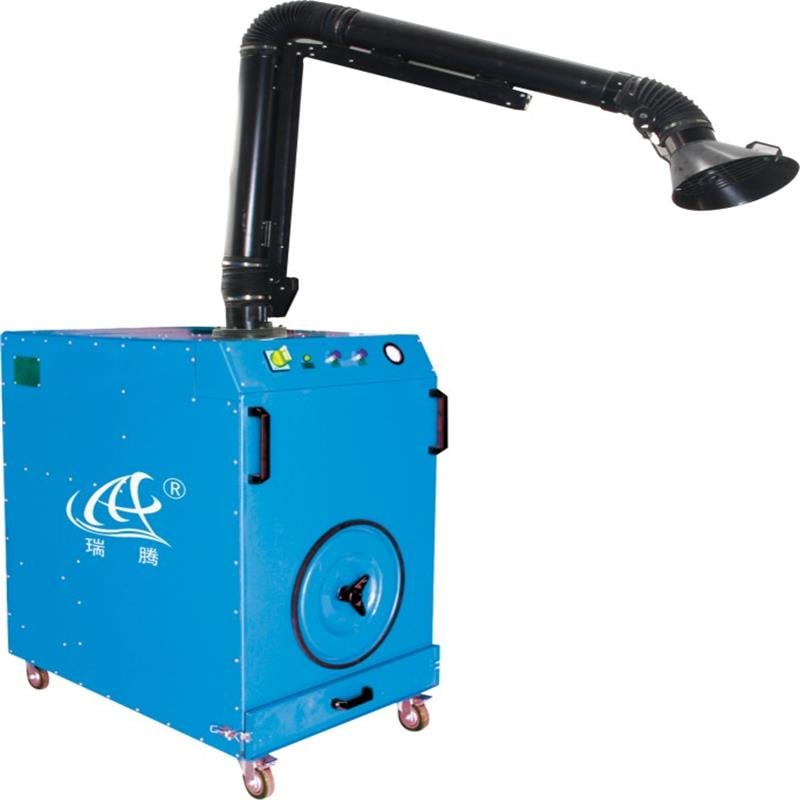
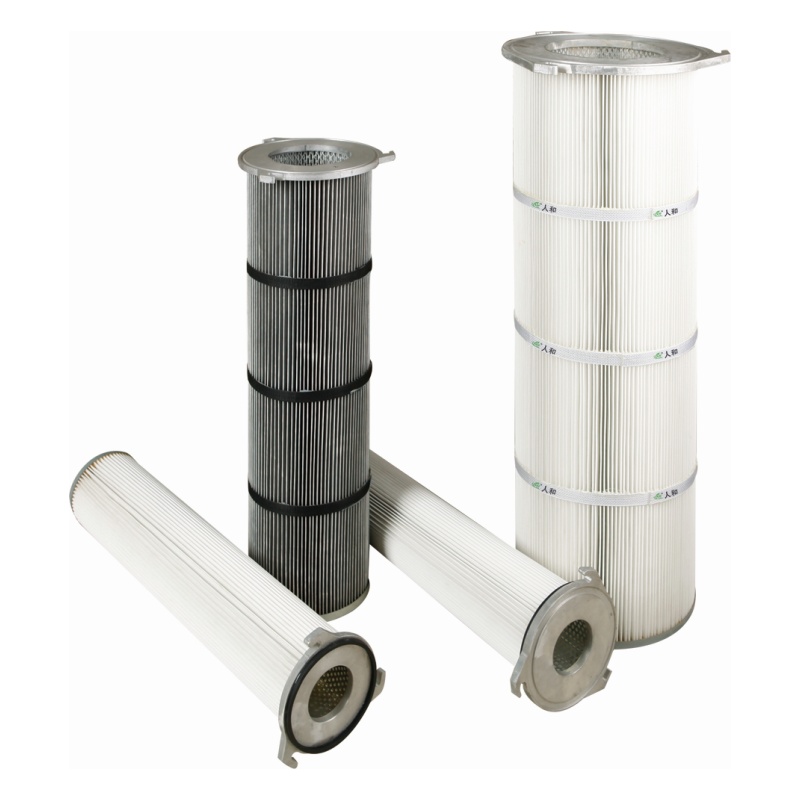
The practical fix is to size with airflow margin. Start from the actual volume you need to move, then select an industrial filter cartridge whose rated max airflow comfortably exceeds that figure, leaving a margin for dust load and fan variation. Cartridge selection should favour more media area, which lowers face velocity, keeps pressure drop steady, and reduces filter media damage over time. Compare options on installed area and rated airflow, not just the price per cartridge. Where future expansion is likely, choose a modular collector so airflow margin can be added later without replacing the whole system.
In a dust collection retrofit at a material handling line, the fan had been oversized during an earlier expansion and the cartridges were failing within a short period, risking filter media damage. Testing showed the industrial filter cartridge was running well above max airflow, with pressure drop rising quickly after each pulse. Rather than buying a larger cartridge, the team rebalanced the system to the required airflow margin, verified the ducting, and reselected a pleated industrial filter cartridge with more media area. Cartridge life recovered without adding fan power. The case shows that cartridge selection should start from real duty, not from the largest fan on the floor.
Question one: What are the first signs that an industrial filter cartridge is over-airflowed?
Answer: A fast rise in pressure drop after cleaning, short intervals between pulses, and dust passing downstream. Check the actual airflow against max airflow before replacing media.
Question two: Does a higher-rated cartridge solve the problem on its own?
Answer: Only if the system airflow is correct. Add airflow margin through more media area, but also verify the fan and ducting so the industrial filter cartridge is not pushed again.
Question three: How do I build airflow margin into cartridge selection?
Answer: Size to real volume plus a margin for dust load and surges, compare installed media area, and review specifications with the supplier to avoid filter media damage.
 Hot News
2026-11-22
2026-11-22
2026-11-22
2026-11-22
2026-11-22
2026-11-22
Renhe focuses on air filter cartridge, gas turbine air filter, Pleated Filter Media, industrial dust, Our main products have been recognized as high-tech products in Jiangsu Province, famous trademarks in Wuxi City, and CE certification.
NO. 31 Xingyuan Road, Jiefang Industrial Park, Gushan Town, Jiangyin City, Jiangsu Province, China (214414)
Copyright © 2024 Jiangsu Renhe Environmental Equipments Co., Ltd Privacy Policy
 EN