
 EN
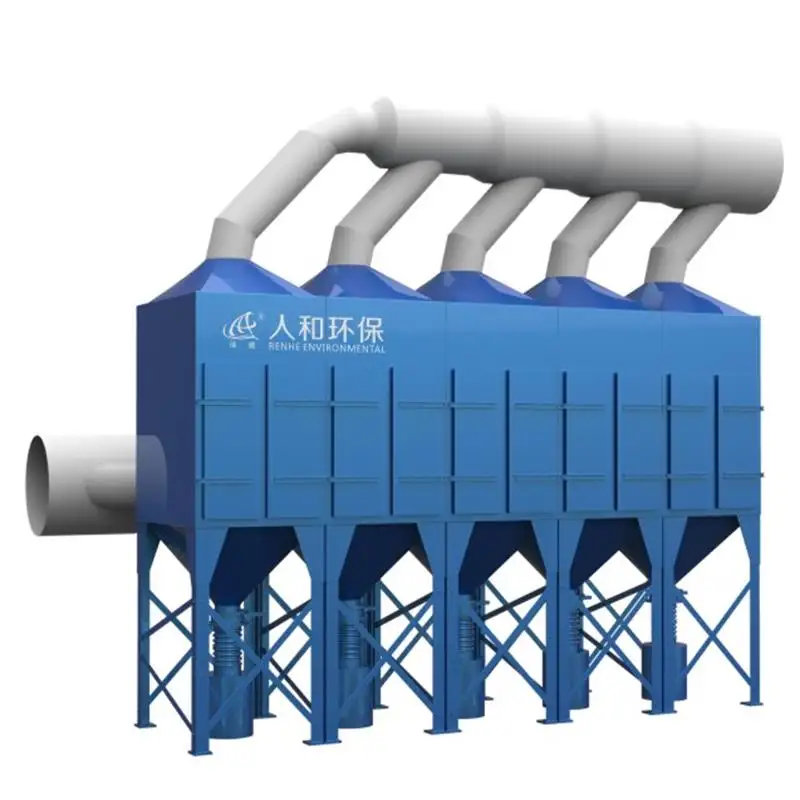
Plant managers rarely buy a cartridge dust collector for a single reason. They buy it because dust is affecting product quality, worker exposure, or the space available on the floor. A cartridge dust collector bundles pleated media into a compact cabinet, and that simple fact drives most of its advantages. This article looks at the practical benefits, from capture efficiency to compliance documentation, so you can judge whether the technology fits your operation before you compare quotes.
Better Capture of Fine Particles
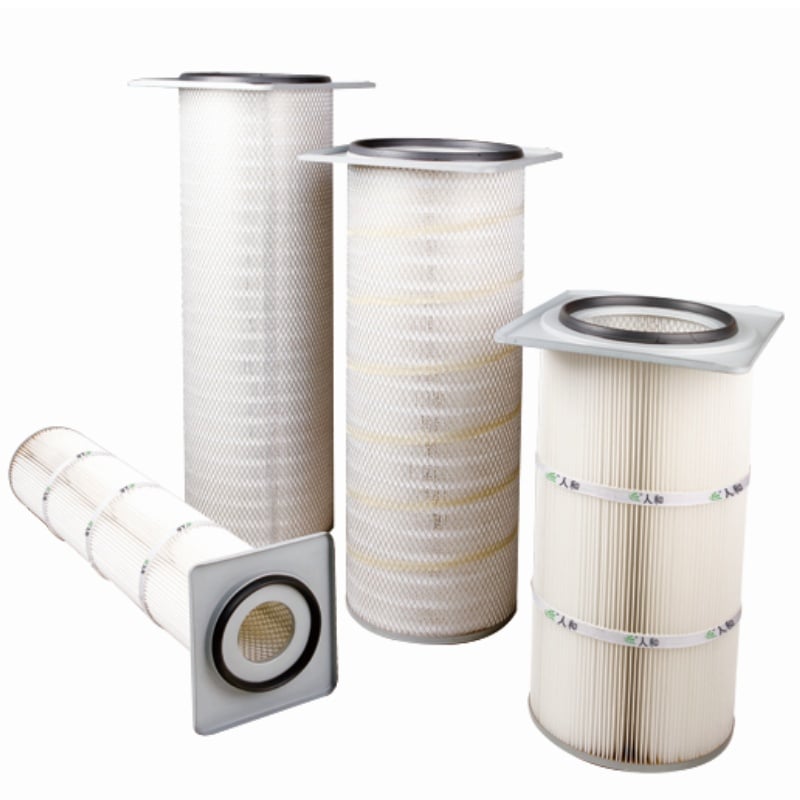
The first benefit is efficiency with fine dust. A cartridge dust collector uses pleated media with a large surface area, which lets air pass at a lower face velocity than a simple fabric bag. Lower face velocity means fine particles are more likely to be captured rather than pushed through the media. For pharmaceutical or food processes with fine powders, that matters more than raw airflow numbers. Dust collection at the source also keeps particles from spreading into the room and settling on products. When the media is matched to the particle size, a cartridge dust collector holds its efficiency through the cleaning cycle. Ask for efficiency information tied to the dust you actually generate.
A Smaller Footprint on the Plant Floor
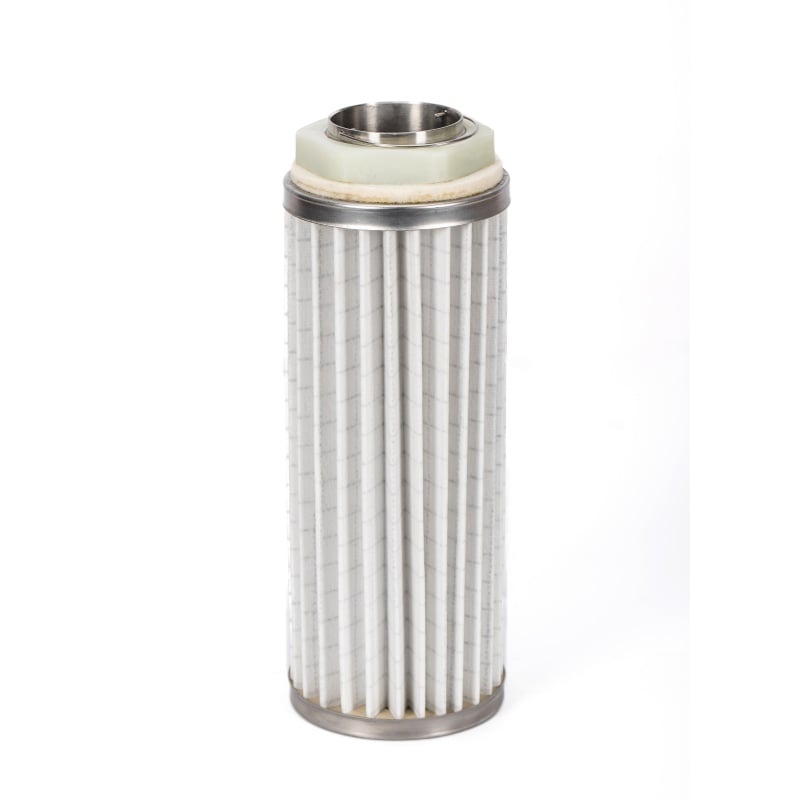
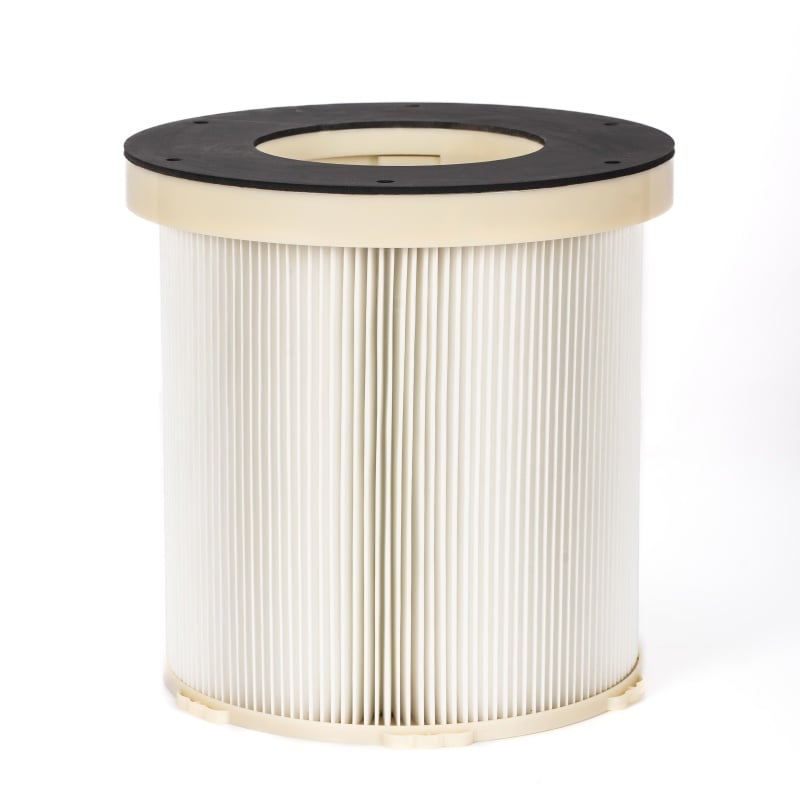
Floor space is money in a busy plant, and this is where pleated media changes the calculation. Because the filter area is folded into a compact element, a cartridge dust collector occupies far less room than a baghouse built for the same airflow. That leaves more floor space for production, storage, or safe walkways. It also shortens duct runs when the unit sits closer to the process. In a retrofit, the smaller footprint can be the difference between fitting the dust collection equipment inside the building and needing an outdoor pad. Before you decide, measure the service clearance as well as the cabinet size; a cartridge dust collector still needs room to pull a filter cartridge out during maintenance.
Simpler Maintenance and Filter Changes
Maintenance is the benefit operators notice every week. Many cartridge dust collector designs use a drawer or a bottom access arrangement so a filter cartridge can be removed from the clean side. That keeps the changeout cleaner and faster than reaching into a baghouse cage. Fewer moving parts inside the cabinet also mean less wear and fewer things to adjust. A filter cartridge with the right media for the dust will release its cake during pulse cleaning, which stabilizes pressure drop and extends service intervals. Track pressure drop over time rather than changing elements on a fixed calendar; the data tells you when maintenance is genuinely needed. Good dust collection depends on a routine people can actually follow.
Compliance and Documentation
Compliance is a quieter but important advantage. A well specified cartridge dust collector helps control visible emissions and keep the workplace clearer, which supports internal exposure controls. When you review a supplier, ask for test documents, efficiency data, and any certification relevant to your market. A company with a quality system and export experience, such as Jiangsu Renhe, can usually provide these records and explain what each one covers. Verify test documents rather than accepting a general claim about dust collection performance. Clear records also make future audits and insurance reviews simpler, because you can show what the equipment was specified to do.
Practical Sourcing Scenario
Consider a food ingredient plant that had outgrown a small baghouse. The unit stood in a corner, consumed scarce floor space, and the weekly bag change was messy. The team replaced it with a cartridge dust collector sized for the same airflow and found that the pleated elements held more area in a smaller cabinet. Because the new filter cartridge could be pulled from the clean side, routine maintenance took less time and created less mess. Dust collection at the mixing station improved and the aisle stayed clearer. This kind of outcome explains why plants revisit collector type during expansion. The lesson is not that one technology always wins, but that benefits should be measured against your own constraints.
Comparing Collector Types
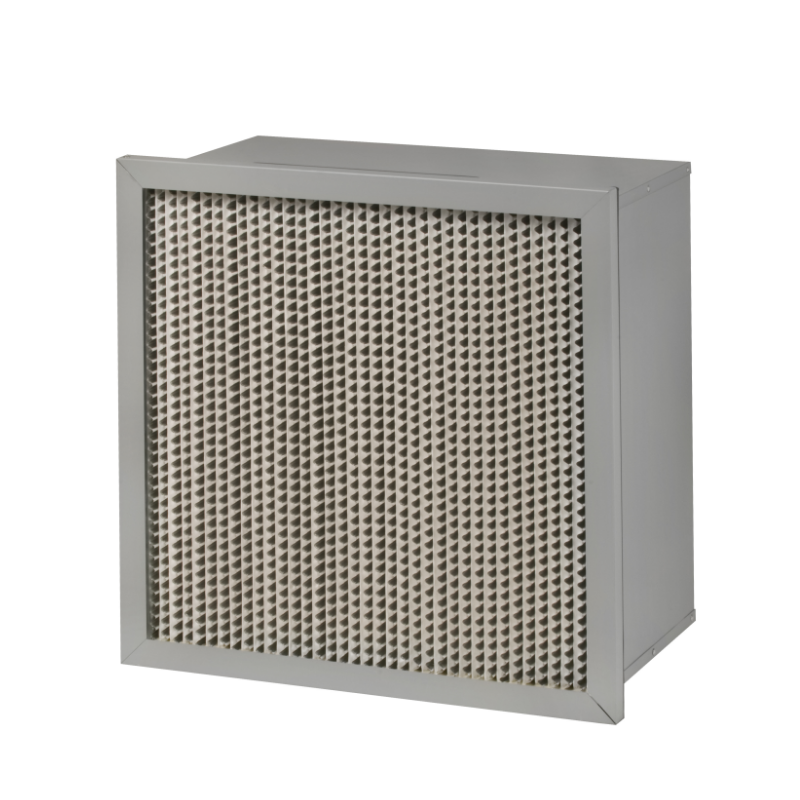
Buyers often set a cartridge dust collector against a baghouse or a cyclone. A baghouse suits high-volume, heavy dust such as cement or foundry work; a cartridge dust collector suits finer particles where floor space and service speed matter. A cyclone is useful as a pre-separator for coarse material but rarely finishes the job alone. The choice affects maintenance effort, floor space, and the efficiency you can hold over time. Put these options side by side with your airflow, dust type, and service access in mind. Review specifications and compare product options on those terms rather than on a single headline number.
Questions Buyers Ask
Question one: Does a cartridge dust collector cost less to run?
Answer: It can, because lower face velocity and clean pulse release help keep pressure drop stable, which reduces fan energy. The saving depends on the dust and how well the filter cartridge is matched to it.
Question two: How much floor space does it save?
Answer: Pleated media gives more filter area per cabinet, so the unit is often smaller than a baghouse for the same airflow. Measure both the footprint and the service clearance needed for maintenance.
Question three: What documents should I request before ordering?
Answer: Ask for efficiency data, test documents, and certification relevant to your market. Review specifications and verify test documents so your dust collection purchase is defensible at audit time.
 Hot News