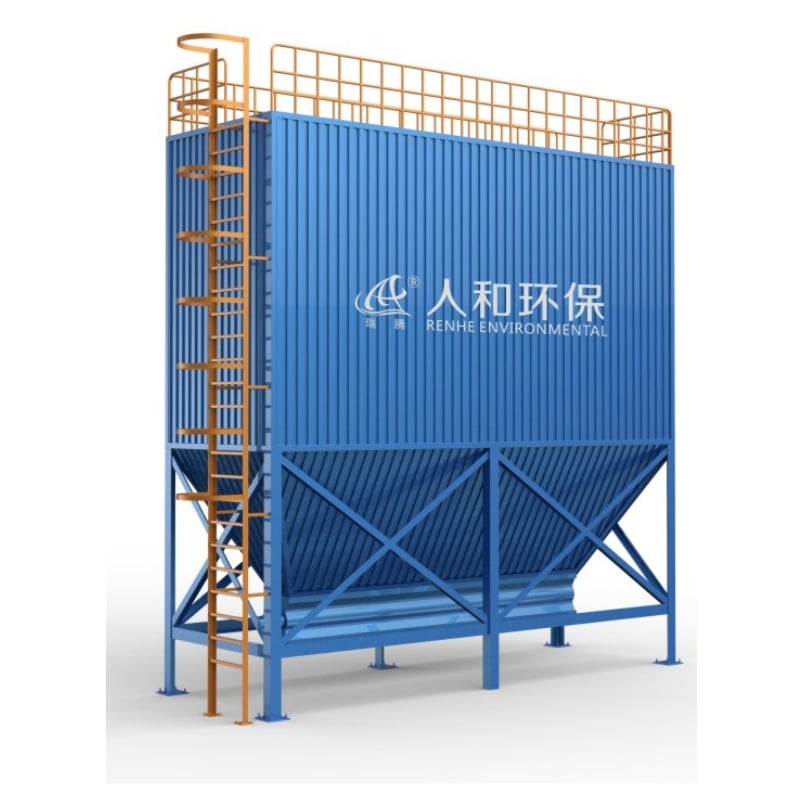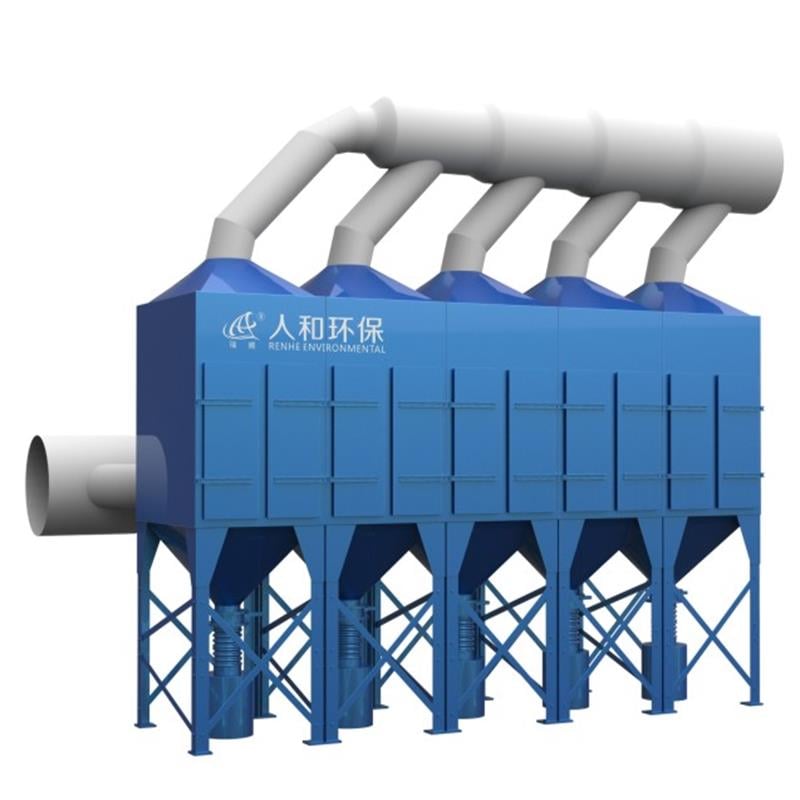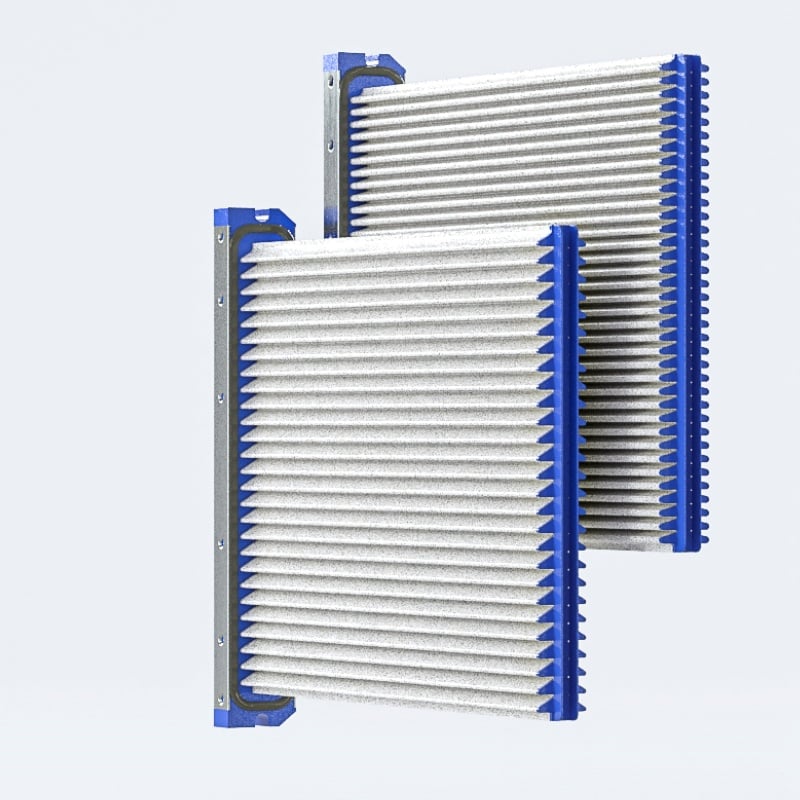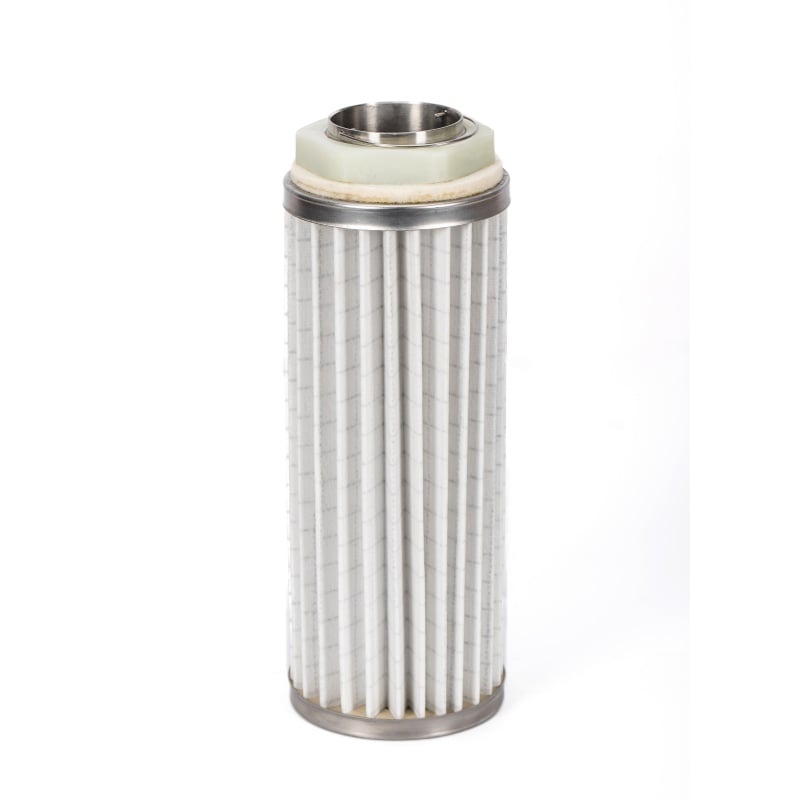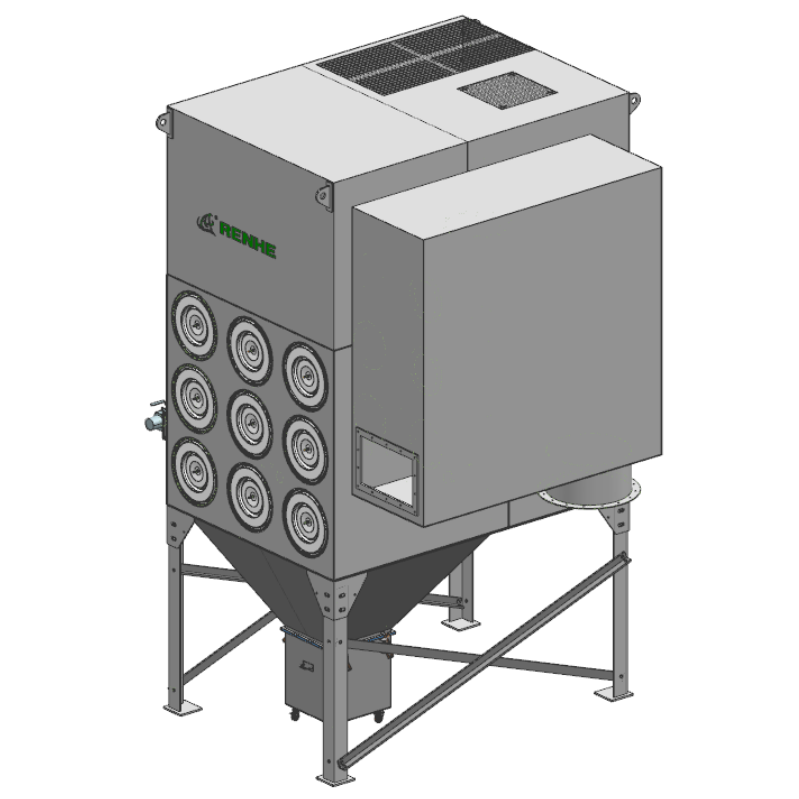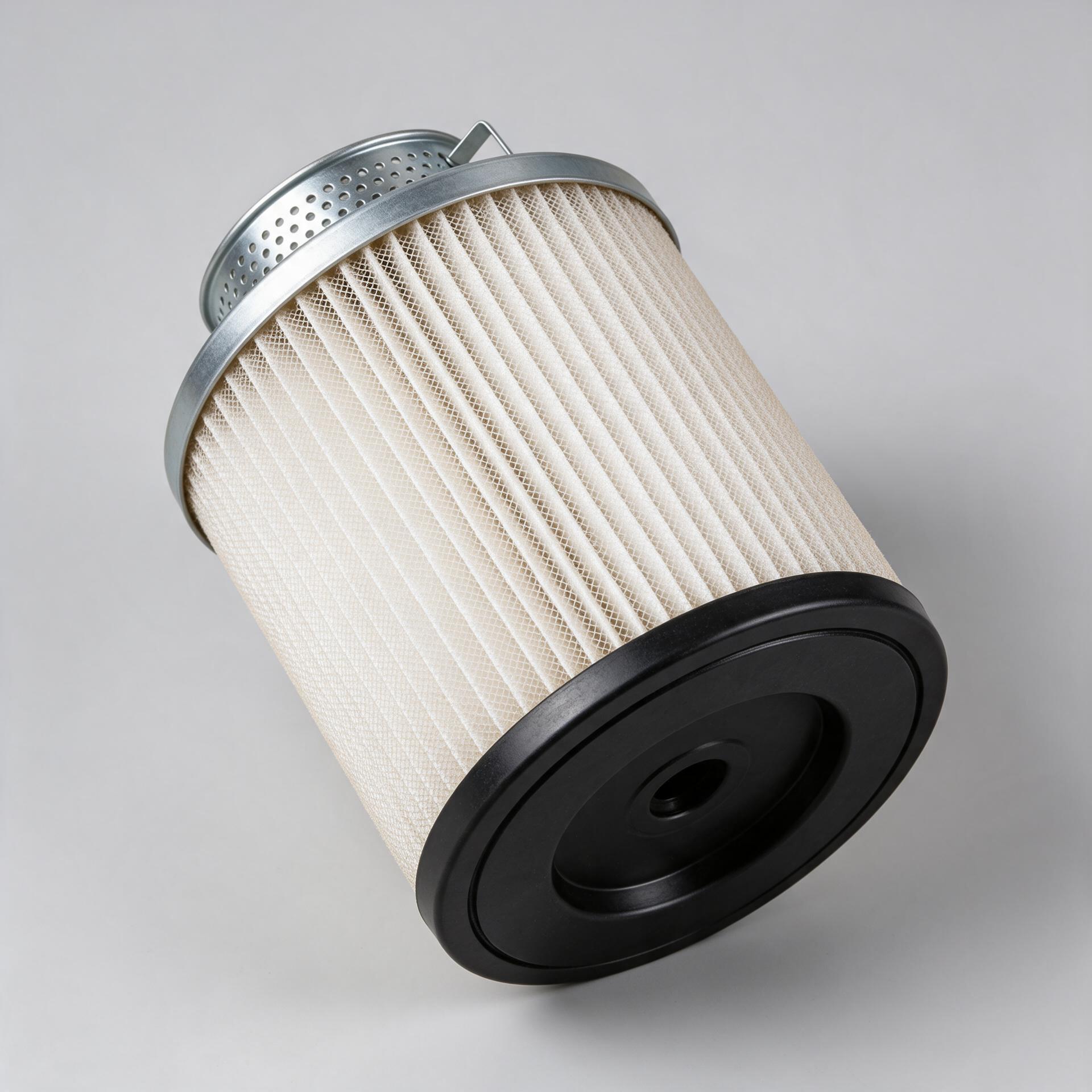
Laser cutting produces a stream of hot sparks and fine fume, and the extraction system must handle both. Buyers usually focus on capture at the nozzle; the harder question is what happens after the stream enters the ducting and reaches the filter. A dust collector filter cartridge sits at the end of that path, where hot particles and charged fine dust can arrive together. Specifying a flame retardant dust collector filter cartridge is a common response, but the term is often used without explanation. This article separates what the media can do from what belongs upstream, and gives a verification method you can apply to a supplier proposal. No flame rating numbers are quoted here, because the correct requirement depends on the installation and should come from a site assessment.
An ignition source in this context is any spark, hot particle or discharge capable of starting a reaction in the collected dust. During laser cutting, the source is usually the process itself: molten ejecta travels further than many operators expect, especially on carbon steel. Duct transport can carry the hottest fraction into the collector chamber. A dust collector filter cartridge sees this as a local heat and spark load on the media face. Fine fume from laser cutting also has high surface area and can be more reactive than coarse dust. The practical step is to describe the process to the supplier in terms of material, thickness and cutting mode, then ask which ignition source assumptions were used.
Flame retardant media is designed to resist flame spread across the filter surface, not to make the element indestructible. In a dust collector filter cartridge, the treatment is usually part of the fibre or a finish that slows propagation after a spark lands. This buys time for upstream controls to work and reduces the chance that a small event becomes a larger one. Flame retardant media does not remove the ignition source, and it does not replace housekeeping or spark control. When comparing options, ask how the flame retardant media was evaluated and what the test actually involved. A supplier who explains the method is more useful than one offering only an adjective.
Static charge is a second concern with fine fume from laser cutting. As dust passes through pleats, charge can build on the media and on the cage. An anti-static layer provides a conductive path that bleeds that charge to a grounded frame. On a dust collector filter cartridge used for laser cutting, the anti-static layer must be continuous and tied to ground; an isolated conductive surface does nothing. The anti-static layer also interacts with cleaning: aggressive pulses can wear the conductive path, so the cleaning sequence should be verified at commissioning. Flame retardant media and an anti-static layer address different mechanisms, and both may matter in one installation.
Source control happens before the filter, not inside it. A spark arrestor or a settling section in the ducting can remove larger hot particles before they reach the dust collector filter cartridge. Duct layout matters too: a longer run at adequate velocity lets particles cool, while a short run delivers them hot. For laser cutting, the hood should sit close to the cut, and the duct should avoid sharp turns that concentrate impact on one wall. Housekeeping around the collector belongs in the same picture, because a settled layer can become fuel if disturbed. An ignition source that does not reach the chamber is the cheapest one to manage.
A multinational heavy-industry enterprise manufacturing tower and crawler cranes offers a useful analogue. Its boom lines handle large carbon steel assemblies joined by MAG and argon arc welding, with additional cutting operations on the same plates. The plant used distributed blow-and-suction collection, with supply outlets about four metres high and extraction inlets about nine metres high, facing each other to form a controlled downward flow. For the cutting stations, the review examined where hot particles travelled and whether the dust collector filter cartridge was exposed to them directly. The response combined better hood positioning, a duct section that allowed cooling, flame retardant media on the element, and an anti-static layer tied to the grounded cage. In this anonymous scenario the ignition source was managed at several points rather than shifted onto the filter alone.
Describe the process material and cutting mode. Identify each ignition source you expect. Confirm how the flame retardant media was tested. Confirm that the anti-static layer is grounded and inspectable. Review the hood and duct layout for cooling and spark drop-out. Then request material guidance and review specifications before you approve the dust collector filter cartridge for a laser cutting line.
Question one: Does flame retardant media make a filter spark proof?
Answer: No. Flame retardant media slows flame spread; it does not remove the ignition source or eliminate upstream controls. Treat it as one layer in a design that also includes spark management and housekeeping.
Question two: Do I still need an anti-static layer if I have spark control?
Answer: Yes. On a dust collector filter cartridge, spark control addresses hot particles while an anti-static layer handles charge on the media. They cover different mechanisms and are often specified together.
Question three: What should a supplier document for laser cutting?
Answer: For laser cutting, ask for the material assumptions, the flame retardant media test basis, and grounding continuity for the dust collector filter cartridge. Written answers are more useful than adjectives.
 Hot News
2026-11-22
2026-11-22
2026-11-22
2026-11-22
2026-11-22
2026-11-22
Renhe focuses on air filter cartridge, gas turbine air filter, Pleated Filter Media, industrial dust, Our main products have been recognized as high-tech products in Jiangsu Province, famous trademarks in Wuxi City, and CE certification.
NO. 31 Xingyuan Road, Jiefang Industrial Park, Gushan Town, Jiangyin City, Jiangsu Province, China (214414)
Copyright © 2024 Jiangsu Renhe Environmental Equipments Co., Ltd Privacy Policy
 EN