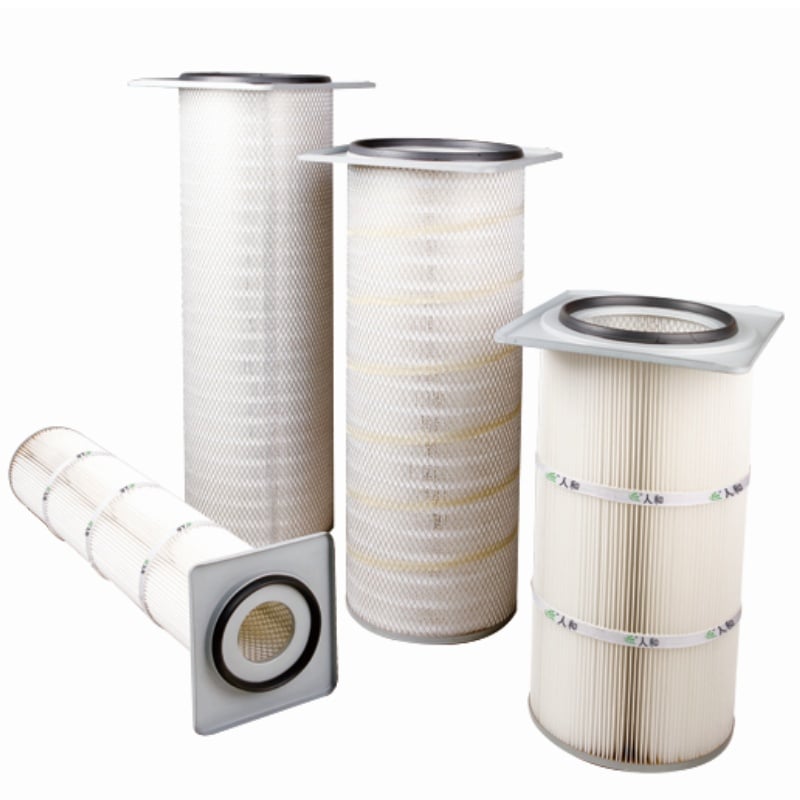
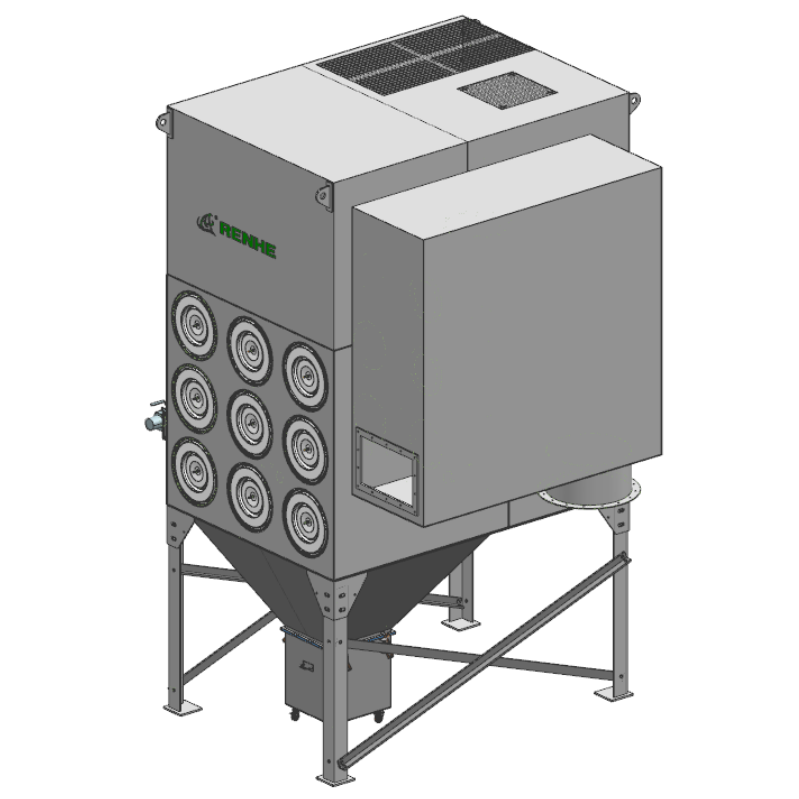
A plant manager looking at an older baghouse often asks whether a pleated filter cartridge can replace traditional filter bags and cages without rebuilding the collector. It can be evaluated for that role, but the word directly deserves care. Swapping one element for another of a different shape is rarely simple substitution, because the housing was designed around the bags. The useful question is whether your collector's specific geometry, sealing and airflow can accept the new element safely. This article sets out the compatibility checks that decide the answer, as a structured assessment rather than a promise that any cartridge drops into any cage.
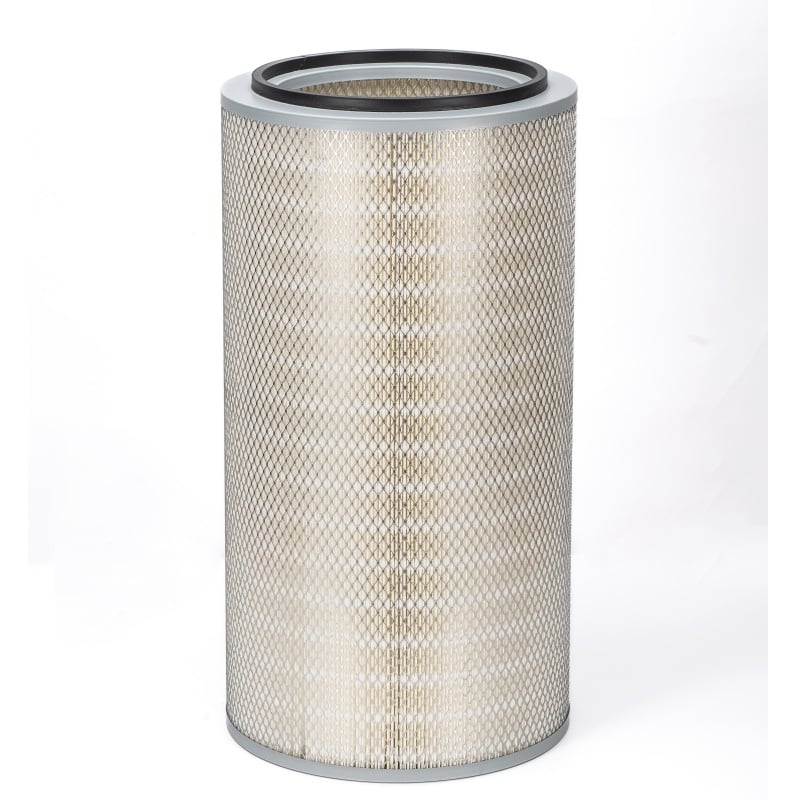
There are good reasons the question comes up. A pleated filter cartridge packs a large filtering surface into a compact element, so a bag housing may hold more area in the same space. More area can lower face velocity and extend cleaning intervals. Cartridges are rigid and self-supporting, removing the cage and easing maintenance. Where a collector is nearing the end of its bag life, changing the medium rather than the whole machine is appealing. But these advantages require an engineered retrofit. They describe what a cartridge can offer, not proof that a particular baghouse is a good candidate.
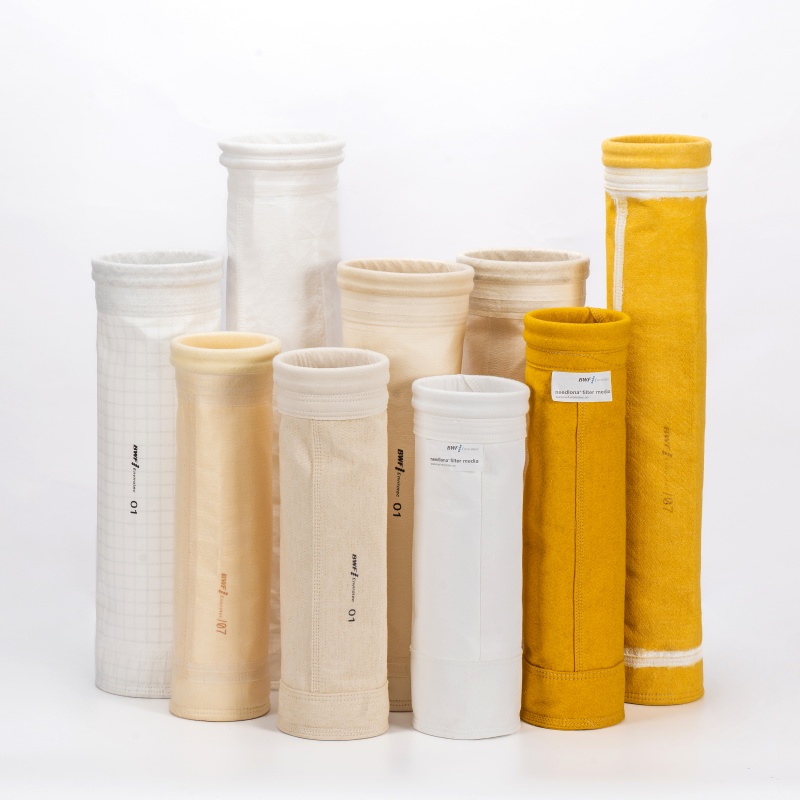
The first compatibility check is physical. Filter bags and cages sit in tube sheet holes, and a pleated filter cartridge must fit those openings with the correct diameter and length. If holes are sized for a round bag, the cartridge end cap must match and the element must clear the surrounding structure. Length matters too: it must fit between the tube sheet and the housing roof without fouling. Some collectors were spaced for bag removal, and a different element may need more room. Measuring the openings and internal clearance is the starting point. If the geometry does not fit, no product choice will make the retrofit work.
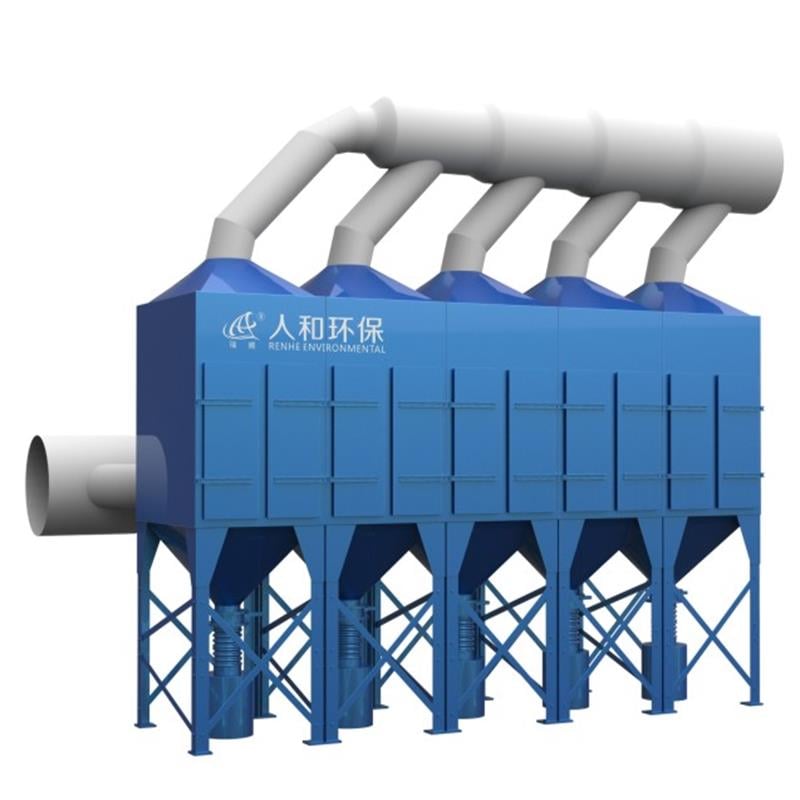
A retrofit fails if air bypasses the medium. Filter bags and cages rely on a seal at the tube sheet, and a pleated filter cartridge must match it with its own gasket and end cap. The gasket must sit on a clean, flat surface and compress evenly; a damaged tube sheet can leak even with a new element. Bypass is serious with fine dust, because a small seat leak can undo the new medium's efficiency. Check how the original bags sealed, the condition of those seats and whether the cartridge gasket is compatible. An inclined drawer arrangement can ease removal, but still depends on a sound seal. Sealing is workmanship as much as product.
Even a pleated filter cartridge that fits and seals may be wrong for the duty. Filter bags and cages and pleated elements present different areas and cleaning behaviour at the same airflow. Replacement changes face velocity, how the cake forms and how a cleaning pulse travels through the medium. The fan must still deliver the required airflow at the available pressure, and cleaning must release dust from the pleats. Pulses tuned for fabric bags may need adjustment. Monitor differential pressure after the change to confirm the element loads and cleans as expected. Compatibility includes the operating point, not just the bolt pattern.
Consider an anonymous plant that wanted to move a pulse-jet collector off worn bags without replacing the housing. The team did not assume a drop-in result. They measured tube sheet holes and clearance, inspected seats for leakage, and compared the proposed pleated filter cartridge area with that of the bags. They asked the supplier to document the gasket design and explain how cleaning pulses behave with pleated media at the plant's airflow. A small trial section was fitted first, and differential pressure was tracked to confirm dust released properly. Only after stable airflow did they extend the change. Renhe can discuss product options, but the decision rested on measurements, not a claim of universal compatibility.
Treat a retrofit as an engineering review with clear gates. Confirm tube sheet dimensions and clearances, confirm the seats seal, and compare new area and airflow against the old. Check that cleaning hardware can serve pleated media and plan to monitor differential pressure after installation. Review specifications and verify test documents before accepting any efficiency figure, and request material guidance for fine or unusual dust. A pleated filter cartridge can be evaluated to replace traditional filter bags and cages where these conditions hold. It should not be assumed a guaranteed one-for-one swap in every collector. The assessment makes the difference.
Question one: Can a pleated filter cartridge directly replace filter bags and cages?
Answer: It can be evaluated for the role, but not assumed to fit every collector. Compatibility depends on tube sheet holes, internal clearance, gasket sealing, airflow and the cleaning system. Measure and assess before committing.
Question two: What is the most common retrofit failure?
Answer: Poor sealing. If the pleated filter cartridge gasket does not sit on a clean, flat seat, air bypasses the medium and fine dust escapes, undoing the benefit regardless of rated efficiency.
Question three: Does more filtration area guarantee better retrofit results?
Answer: No. A pleated filter cartridge with more area helps lower face velocity, but the cleaning pulse must also release dust from the pleats, and the fan must deliver the required airflow at the resulting pressure. The whole duty must be checked.
 Hot News
2026-11-25
2026-11-25
2026-11-25
2026-11-25
2026-11-25
2026-11-25
Renhe focuses on air filter cartridge, gas turbine air filter, Pleated Filter Media, industrial dust, Our main products have been recognized as high-tech products in Jiangsu Province, famous trademarks in Wuxi City, and CE certification.
NO. 31 Xingyuan Road, Jiefang Industrial Park, Gushan Town, Jiangyin City, Jiangsu Province, China (214414)
Copyright © 2024 Jiangsu Renhe Environmental Equipments Co., Ltd Privacy Policy
 EN