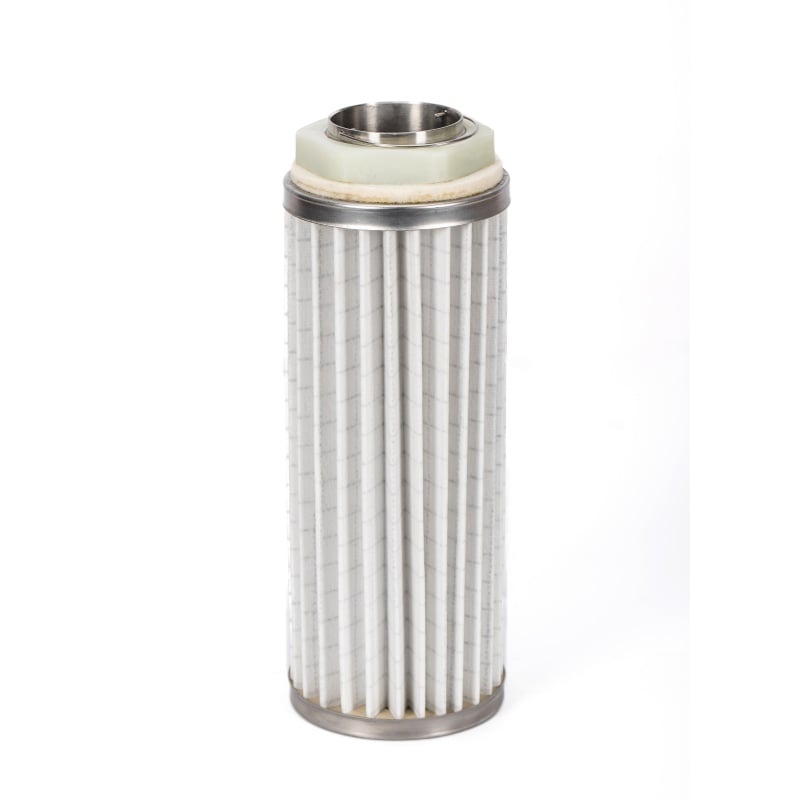
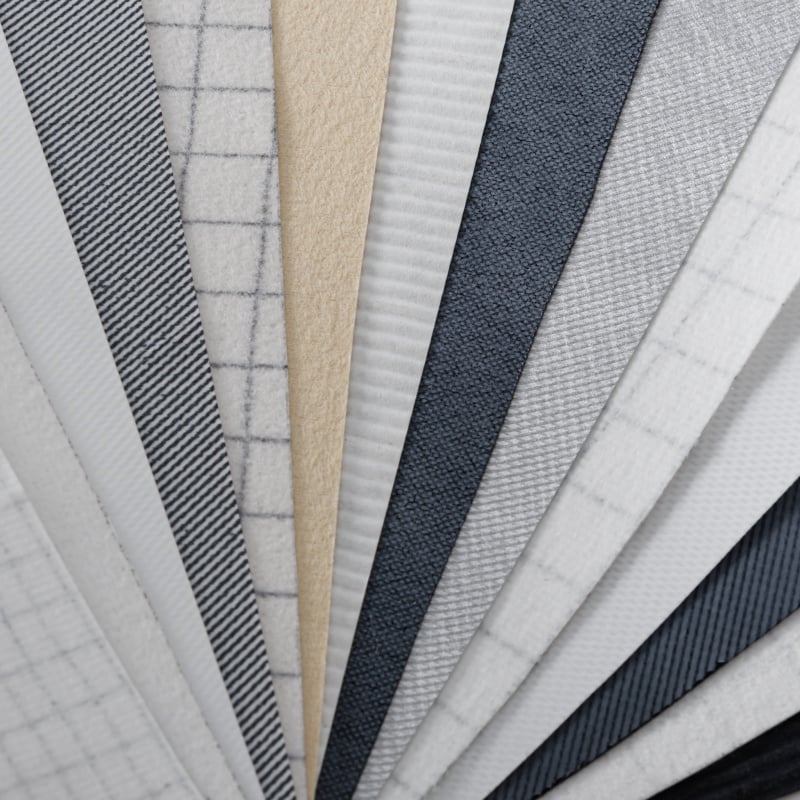
Food plants evaluate dust collection differently from many heavy industries. The question is not only whether the air leaving the system is clean, but whether the filter itself adds anything to that air. A conventional fabric element can shed fibres as it ages and flexes, and those fibres end up somewhere. In food processing, that possibility is a contamination concern rather than a nuisance. A sintered plate dust collector addresses the worry at the material level, because its filtering body is a rigid, bonded structure of polyethylene plates. Buyers who understand media migration early can specify a system that protects both the product and the working environment.
Media migration describes movement of the filtering medium itself: fibres shifting under pressure, fragments breaking away, or the matrix deforming until particles find a path through. In fabric bags and pleated paper cartridges, some movement is inherent to how the media flexes during cleaning, and a sintered plate dust collector is often considered precisely to avoid it. The visible sign may be dust in the clean-air side that does not settle, or a gradual loss of efficiency that cleaning cannot reverse. Media migration is not the same as ordinary dust passing through a healthy filter; it is the filter contributing material of its own. In food processing, that distinction matters because any added fragment is unwanted.
A sintered plate dust collector uses rigid polyethylene plates formed by sintering polyethylene particles into a bonded matrix. Because the structure is fused rather than woven, there are no loose fibres to work free. Rigid polyethylene plates hold their geometry under the pressure differential of operation, so the sealing face stays stable and the filtration path does not open up with flexing, giving zero media migration. That is the essence of the design: the medium stays where it was made. The same rigidity gives strong burst resistance, which suppliers document for the plate form. The practical result for food processing is an element that does not become a contamination source as it ages.
The washable filter plates used in this design can be cleaned and reinstalled, which changes the maintenance model. Suppliers describe plastic sintered plates formed into a pleated profile that increases filter area by about 200 percent within the same housing, and note that the pleat design makes dust easier to remove. A sintered plate dust collector can therefore combine long service with thorough cleaning, and rigid polyethylene plates tolerate repeated washing without losing shape. The claim should be checked against the actual dust: not every deposit releases equally well, and the wash method has to suit the plate. Request material guidance and verify test documents before assuming the area advantage applies to your duty.
In a food processing environment, cleaning is part of the process, not an occasional event. Surfaces must be reachable, residues must not accumulate, and the filter should tolerate the hygiene routine without degrading. A sintered plate dust collector fits this pattern because the plate can be washed rather than carefully dry-brushed, and because the rigid body does not trap dust in a flexible matrix. Washable filter plates and rigid polyethylene plates should still be inspected at the seal edge after each cycle. Plants should also confirm that the collection system keeps dust from returning to the production area, since a clean filter is only part of hygiene. Review specifications and compare product options against the real cleaning regime.
An application example comes from a food processing line handling fine organic dust that had to be collected without any risk of fibre contamination. The plant compared fabric bags with a sintered plate dust collector and chose the rigid plate design because the bonded matrix offered no loose fibres to migrate into the clean-air stream. The sintered plate dust collector used washable filter plates that were removed and cleaned on a defined schedule, and the team checked the seal edge each time before reinstallation. Because the pleated plates offered a larger area in the same housing, the collector handled the duty without an oversized footprint. A supplier such as Jiangsu Renhe could document the plate construction and the washing method. Review specifications and verify test documents before committing.
Question one: What is media migration in a dust collector?
Answer: It is movement of the filtering medium itself, such as fibres shifting or fragments breaking away. In a sintered plate dust collector the bonded structure avoids the loose fibres that a fabric element can shed.
Question two: Are washable filter plates really reusable?
Answer: Yes, within the limits the supplier states. In a sintered plate dust collector, inspect the seal edge and the plate surface after each wash, and confirm that pressure drop returns to a normal baseline. Replace a plate if cleaning no longer restores it.
Question three: Why is a sintered plate dust collector suited to food processing?
Answer: Because rigid polyethylene plates do not shed fibres, can be washed and keep their shape. Those properties reduce the chance that the filter itself becomes a contamination source in food processing.
 Hot News
2026-11-25
2026-11-25
2026-11-25
2026-11-25
2026-11-25
2026-11-25
Renhe focuses on air filter cartridge, gas turbine air filter, Pleated Filter Media, industrial dust, Our main products have been recognized as high-tech products in Jiangsu Province, famous trademarks in Wuxi City, and CE certification.
NO. 31 Xingyuan Road, Jiefang Industrial Park, Gushan Town, Jiangyin City, Jiangsu Province, China (214414)
Copyright © 2024 Jiangsu Renhe Environmental Equipments Co., Ltd Privacy Policy
 EN