Buyers comparing filter elements want to know what a pleated filter cartridge is and why it has more area. The questions are linked, because the area comes from how the element is built. A pleated filter cartridge is a cylindrical filter whose medium is folded back and forth into accordion-like folds before being formed around a core. Those folds, or pleats, multiply the surface available to the air. Understanding the geometry explains the claims made for this design: more area in a given space, lower air speed and longer service between changes. This article unpacks the idea so the next specification you read makes sense.
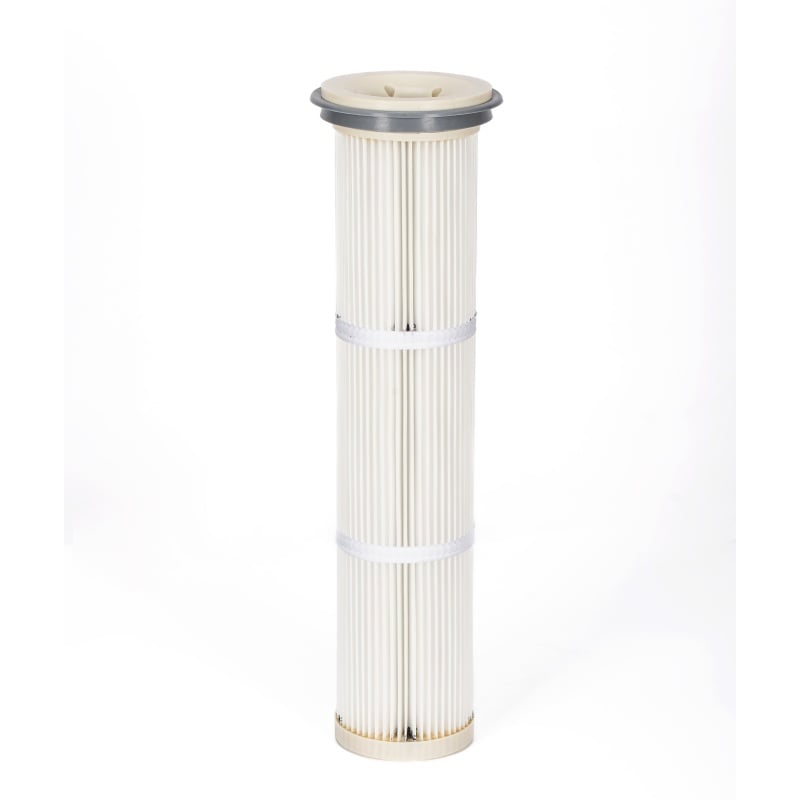
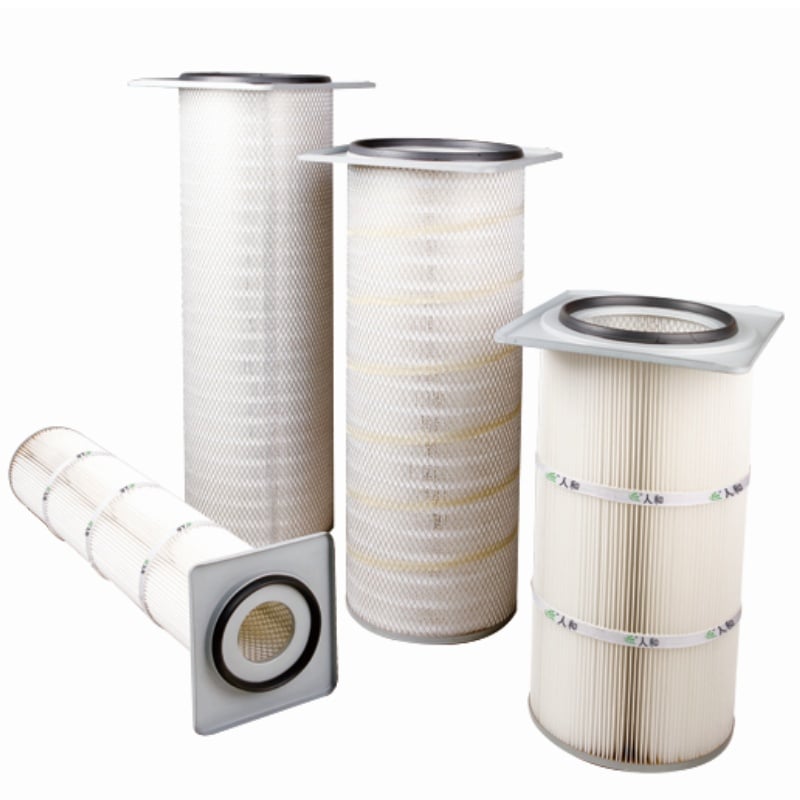
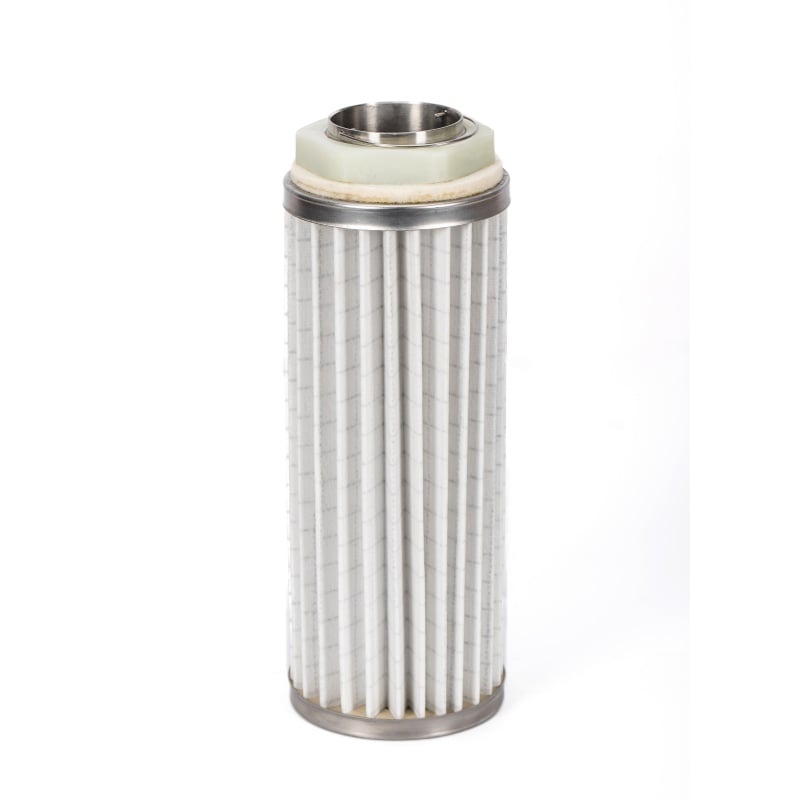
A pleated filter cartridge has three parts that matter here. First is the pleated media, usually a fibrous sheet that captures particles. Second is a support structure, often a metal core or liners, keeping pleats from collapsing under pressure difference. Third are the end caps and gasket sealing the element into its housing so air passes through the medium, not around it. The media is folded before assembly, and each fold presents two faces to the airflow. Because folds run the length of the element, a short cartridge holds far more surface than its outer cylinder suggests. That is the essence of the design.
The area gain comes from simple geometry. Imagine the same sheet used two ways: wrapped once around a cylinder, or folded into many pleats around the same cylinder. The pleated version exposes far more surface in the same diameter and length, because each pleat contributes two packed faces. Total filtration area is roughly pleat height multiplied by pleat number and element length. Designers adjust pleat depth and spacing to trade area against cleanability: deeper, closer pleats add area but can be hard to clean if particles bridge the gaps. That is why two cartridges of identical size can carry different area ratings, and why the figure should be stated.
The practical value of a larger filtration area is lower face velocity. Face velocity is the air speed at the surface of the medium, found by dividing airflow by the area available. When the area is larger, the same airflow passes more slowly through the pleated media. Slower flow reduces the force pushing particles into the fabric, so they tend to stay on the surface and form a thin, even cake that does much of the fine filtration. Lower face velocity also means a gentler rise in differential pressure, so the element holds more dust before cleaning is needed. For the buyer, this means steadier airflow, longer intervals between cleaning or replacement, and more consistent capture through the shift. The benefit is a consequence of geometry, not a coating.
The geometry that adds area also shapes how the element is cleaned. In a pleated filter cartridge, pulse cleaning sends a pressure wave back through the medium so the cake releases from the pleat faces and falls clear. Pleat spacing matters: folds that are too tight let released dust bridge and stay trapped, while very wide spacing reduces area. The support structure keeps pleats open under suction and prevents pinching at high differential pressure. Medium selection also matters, since a surface that releases dust easily recovers lower resistance after each pulse. When evaluating a pleated filter cartridge, ask how the geometry balances area against cleanability for your dust, because an element that cannot shed its cake loses the advantage of its area.
Consider an anonymous pneumatic conveying installation where dust was collected in a housing of fixed size. The existing smooth-sleeved elements could not provide enough filtration area for the airflow, so differential pressure rose quickly and cleaning was frequent. The team evaluated a pleated filter cartridge fitting the same housing, asking the supplier to document the filtration area at that diameter and length and explain how the pleats would clean with the plant's dust. Higher area lowered face velocity, slowing the pressure rise and extending the interval between cleaning cycles. No larger housing was needed, because the pleated media delivered extra surface within the existing space. The result depended on matching pleat depth and spacing to the dust, not choosing the element with the largest quoted area.
When comparing pleated filter cartridge options, ask the supplier to state the filtration area and the airflow it is intended to serve, then check the implied face velocity against your process. Confirm how pleats are supported and cleaned, and whether the quoted area assumes geometry that will actually shed your dust. Review specifications and verify test documents before treating an area figure as meaningful, and request material guidance for fine or cohesive dust. A pleated filter cartridge increases filtration area because folding multiplies surface within a compact form. That advantage pays off only when area, support and cleaning method are matched to the air you are filtering.
Question one: What is a pleated filter cartridge?
Answer: A pleated filter cartridge is a cylindrical filter element whose medium is folded into many pleats around a core. The end caps and gasket seal it into the housing so air passes through the pleated media rather than around the element.
Question two: How does folding increase filtration area?
Answer: Each fold contributes two faces, and many folds pack side by side into the same diameter and length. The pleated version therefore exposes far more surface than a smooth sleeve of identical size.
Question three: Does more area always mean better performance?
Answer: Not by itself. A pleated filter cartridge lowers face velocity by adding area, but pleats that are too tight can trap dust and resist cleaning. The geometry must balance area with the ability of the element to release its dust cake.
 Hot News
2026-11-25
2026-11-25
2026-11-25
2026-11-25
2026-11-25
2026-11-25
Renhe focuses on air filter cartridge, gas turbine air filter, Pleated Filter Media, industrial dust, Our main products have been recognized as high-tech products in Jiangsu Province, famous trademarks in Wuxi City, and CE certification.
NO. 31 Xingyuan Road, Jiefang Industrial Park, Gushan Town, Jiangyin City, Jiangsu Province, China (214414)
Copyright © 2024 Jiangsu Renhe Environmental Equipments Co., Ltd Privacy Policy
 EN