There is no universal pressure drop threshold that suits every gas turbine inlet air filter. The number is a decision that sits between the turbine maker's allowable inlet loss, the dust at the site and the filter arrangement chosen for the intake. Set the trigger too early and the plant wastes cleaning actions and media life; set it too late and the turbine runs with a restricted intake long enough to lose output. A gas turbine inlet air filter is therefore commissioned around a differential pressure target that reflects the real site, then verified as the seasons change. Buyers who ask how that target is derived get a far more useful answer than a single catalogue figure.
A clean gas turbine inlet air filter starts at an initial resistance that is recorded as a baseline. As dust accumulates, differential pressure rises gradually. The final resistance is the point at which cleaning or change-out is triggered, chosen so that average inlet loss over the cycle stays acceptable. Operators typically watch the shape of the rise as well as the value: a fast climb suggests a sealing problem or an unusual dust event, while a slow, steady climb in differential pressure is normal. Because the turbine cares about total inlet loss, the differential pressure across each stage is read together rather than in isolation.
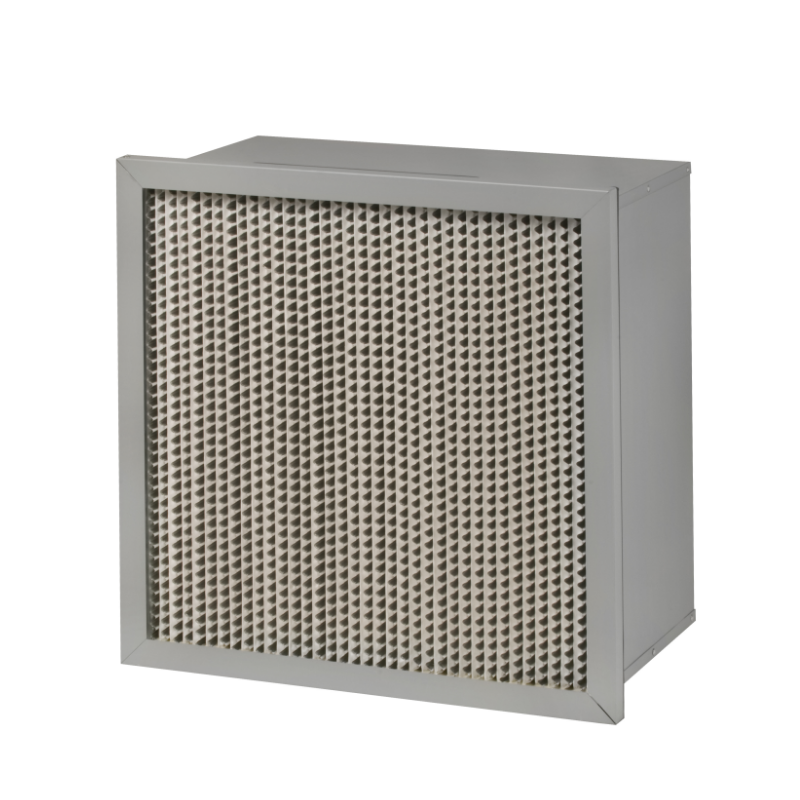
Most intakes use filter staging, with a coarse pre-filter upstream of a finer element. Staging protects the fine media from bulk dust and spreads the load across stages that can be serviced differently. In practice each stage has its own differential pressure trend, and the cleaning trigger may be set on the upstream stage while the downstream stage is changed on condition. A gas turbine inlet air filter assembly with sensible filter staging holds its resistance longer and makes the trigger easier to interpret. When one stage loads much faster than the others, the filter staging balance is the first thing to examine, not the trigger setting.
The bypass valve is the last line of defence. If differential pressure exceeds the safe limit, a bypass valve opens so the turbine can keep breathing while the problem is resolved. That protection comes at a cost, because unfiltered air can reach the compressor, so a bypass valve event should be an alarm rather than a routine occurrence. A gas turbine inlet air filter that is correctly staged and cleaned on time should rarely approach that point. Plants should log each bypass valve event alongside the differential pressure trace, because repeated openings point to a trigger set too high or a stage that is not cleaning properly.
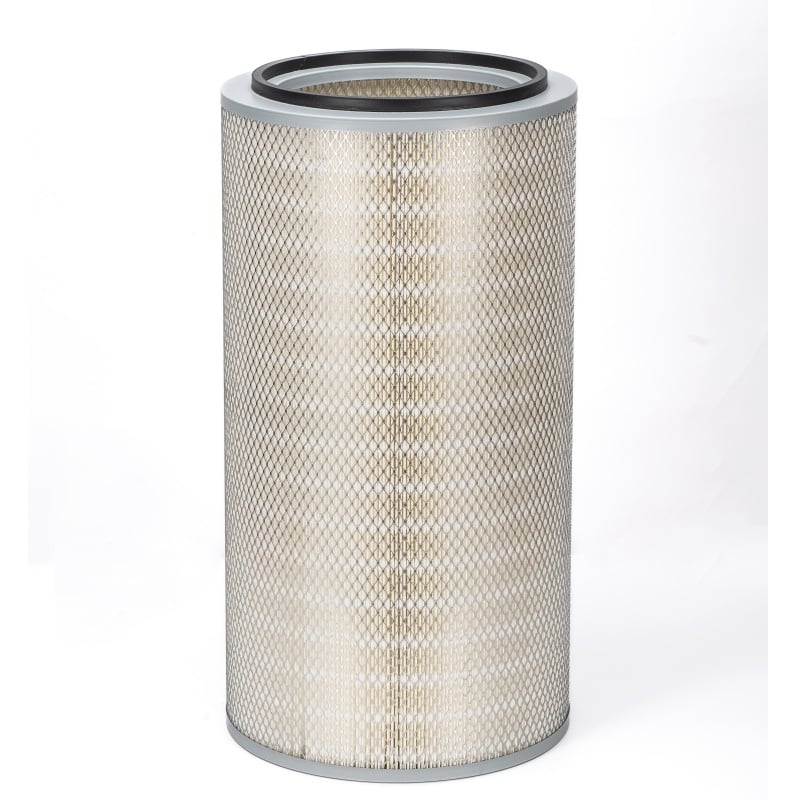
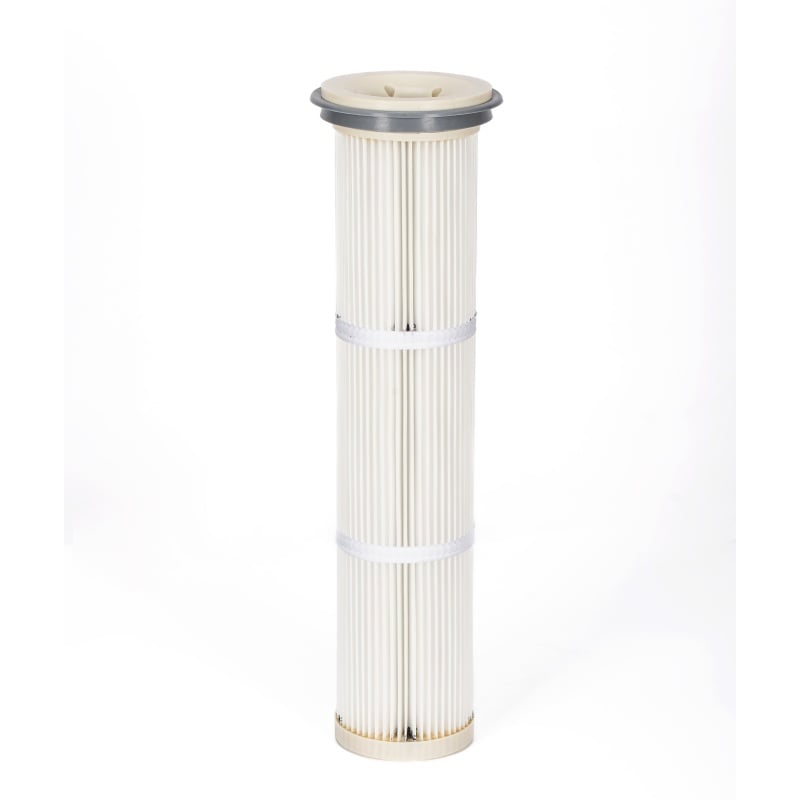
An application example from the product range illustrates the setting logic. Gas turbine filter cartridges are specified for gas turbine and diesel engine intake, blast furnace blowers and oxygen plant compressors, duties where the air source varies but the turbine's tolerance for inlet loss does not. In one such intake, the operator recorded initial resistance at commissioning, then tracked differential pressure through a dusty season to decide where the final resistance should sit. The upstream pre-filter was cleaned on its own trend, while the finer gas turbine inlet air filter elements were changed on condition. A bypass valve event early in the season prompted a review of the trigger rather than a change of media. A supplier such as Jiangsu Renhe could provide filter staging guidance and test documents.
Start from the turbine manufacturer's stated inlet loss limit and work backwards to a differential pressure trigger that leaves a margin. Record initial resistance on the clean gas turbine inlet air filter, then review the trend during the first duty cycle and adjust the final resistance in small steps if the plant cleans too often or too rarely. Verify that filter staging is balanced and that the bypass valve has been tested. Request material guidance and compare product options against the site's dust, not just the turbine model.
Question one: Is there a standard pressure drop trigger for a gas turbine inlet air filter?
Answer: No. The trigger depends on the turbine's allowable inlet loss, the dust at the site and the filter staging. A supplier should help derive the differential pressure target from those inputs. Ask how the target was built for a gas turbine inlet air filter.
Question two: What happens if the trigger is set too high?
Answer: The gas turbine inlet air filter loads beyond its efficient range, inlet loss rises and output can fall. Eventually the bypass valve may open, which admits unfiltered air to the compressor.
Question three: How often should the trigger be reviewed?
Answer: At every planned outage and after any unusual dust event on a gas turbine inlet air filter. Compare initial resistance with the current baseline, and confirm that final resistance still leaves a safety margin.
 Hot News
2026-11-25
2026-11-25
2026-11-25
2026-11-25
2026-11-25
2026-11-25
Renhe focuses on air filter cartridge, gas turbine air filter, Pleated Filter Media, industrial dust, Our main products have been recognized as high-tech products in Jiangsu Province, famous trademarks in Wuxi City, and CE certification.
NO. 31 Xingyuan Road, Jiefang Industrial Park, Gushan Town, Jiangyin City, Jiangsu Province, China (214414)
Copyright © 2024 Jiangsu Renhe Environmental Equipments Co., Ltd Privacy Policy
 EN